


There is a very specific sharp smell to fresh printer paper and graphite. It instantly takes me back to chaotic elementary school field trips to the city zoo.
We used to sit cross-legged on the hot concrete and desperately try to sketch the lions through the heavy chain-link fence. We created these wild animal coloring pages to somehow capture that exact feeling.
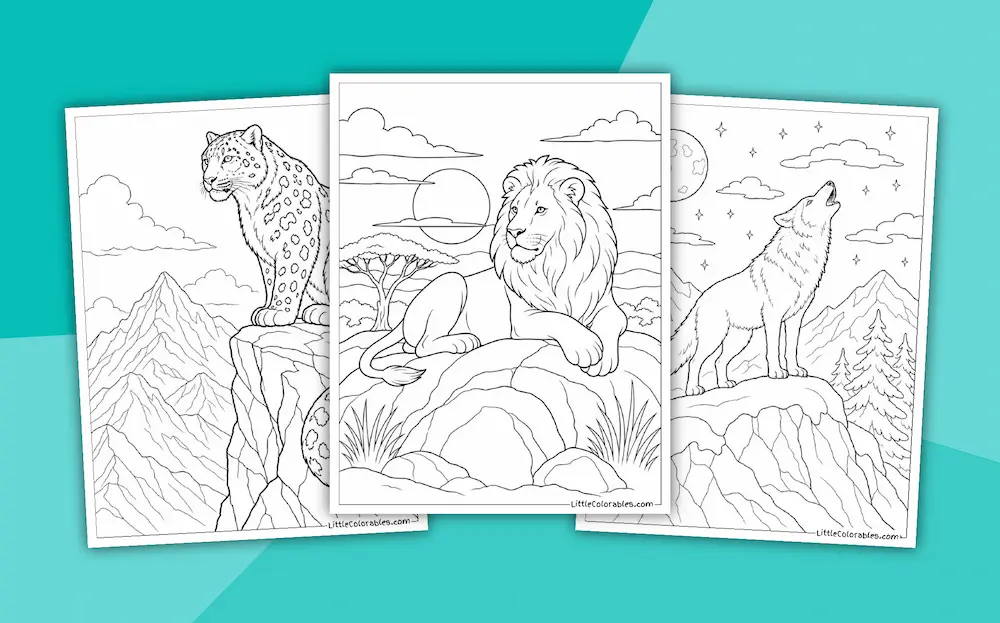 ↓ Scroll to the free printable pages
You absolutely won’t find any smiling bears wearing tiny human hats here. It feels almost disrespectful to nature to water it down like that.
Children actually want to see real animals in their natural habitats. So that is exactly what we meticulously drew for this massive collection.
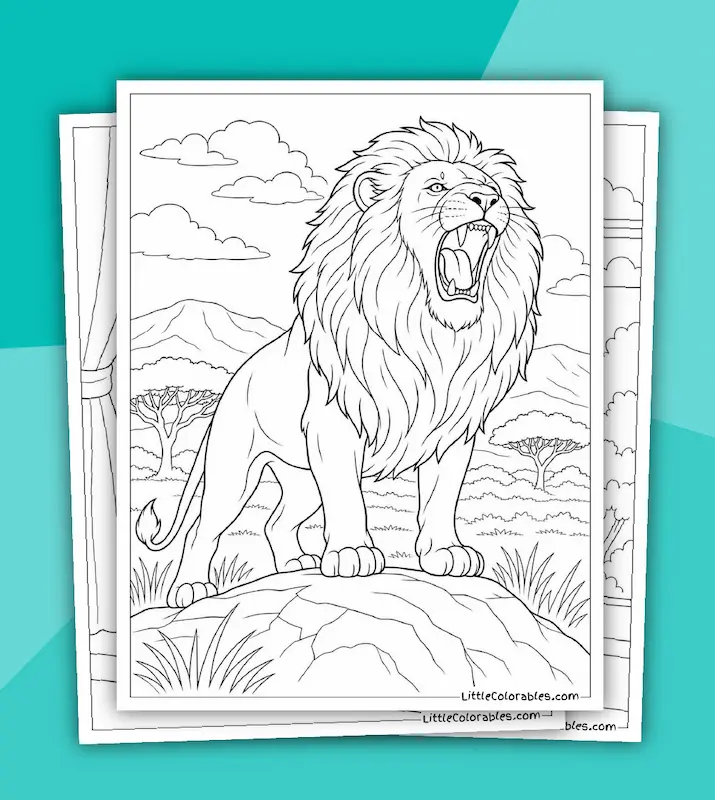
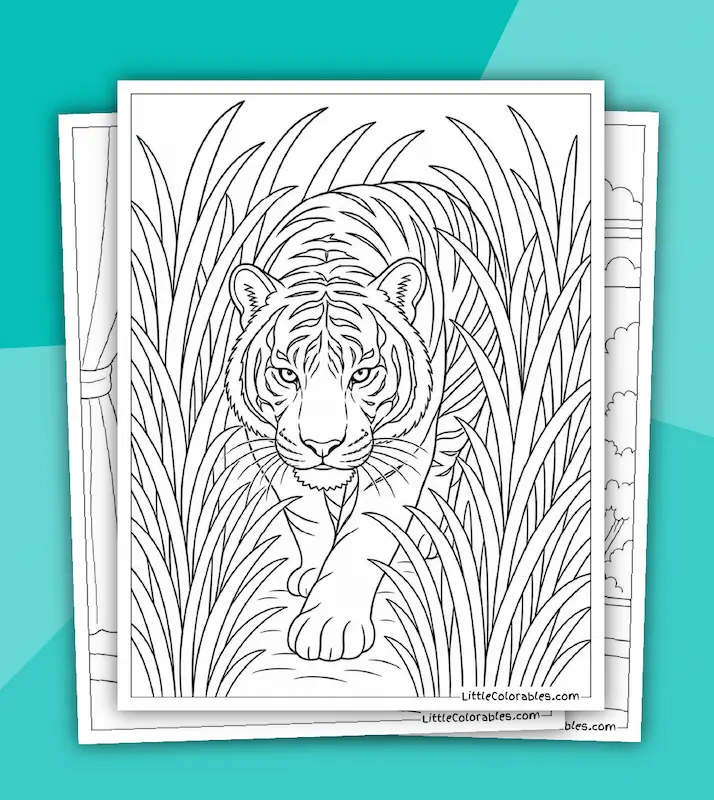
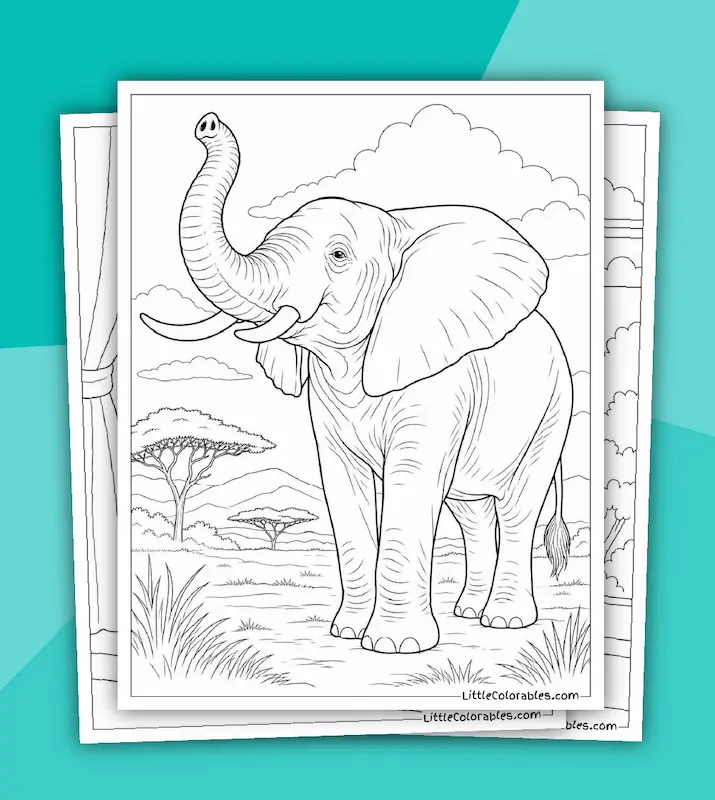
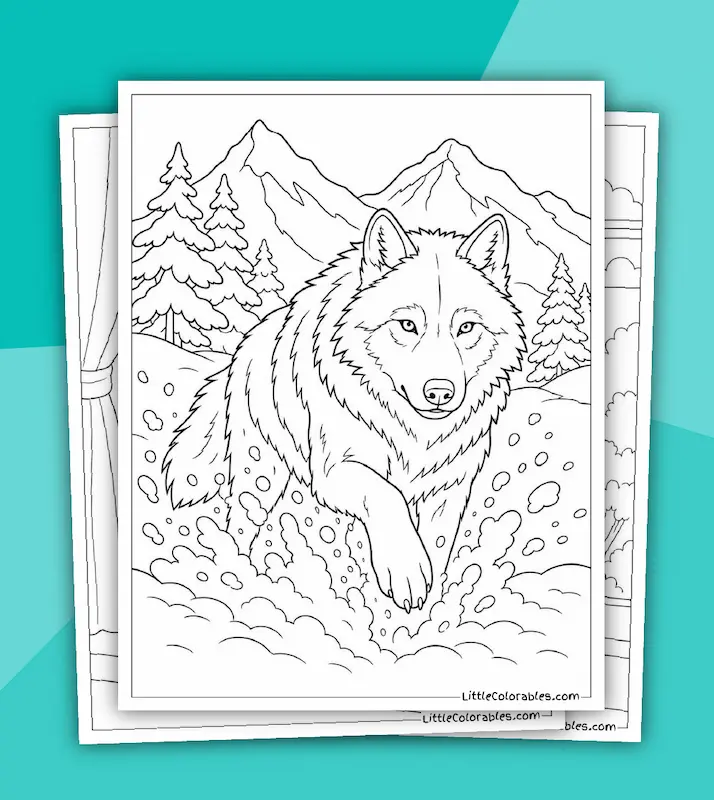
Featured Wild Animal Coloring Pages

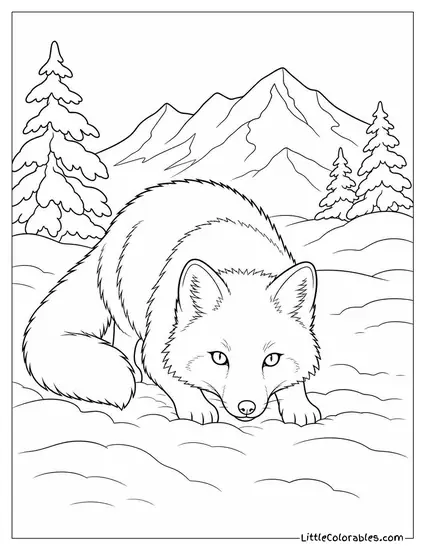
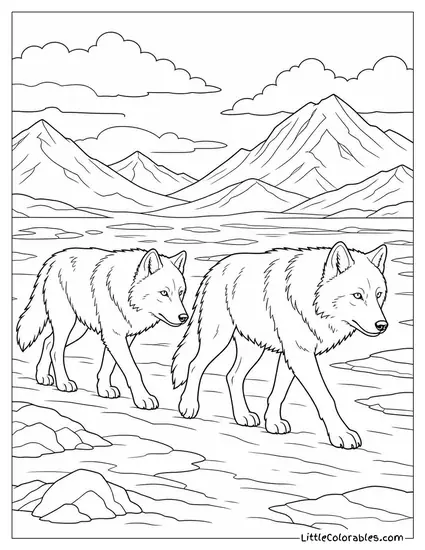
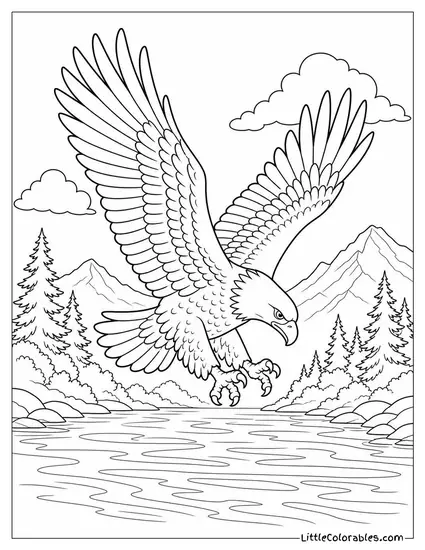

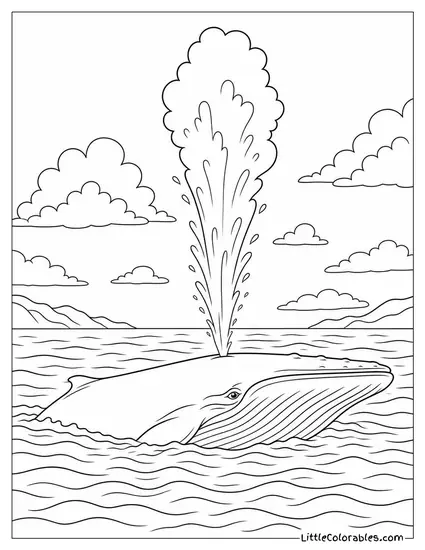
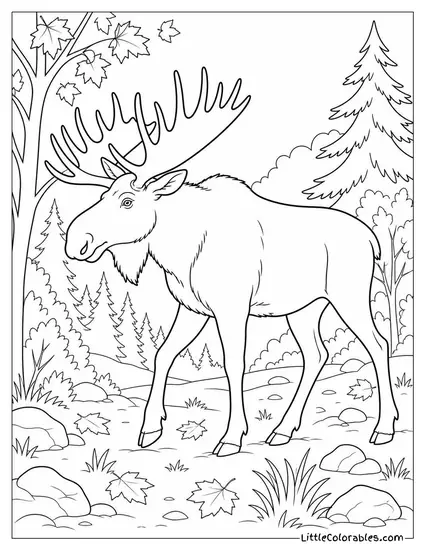
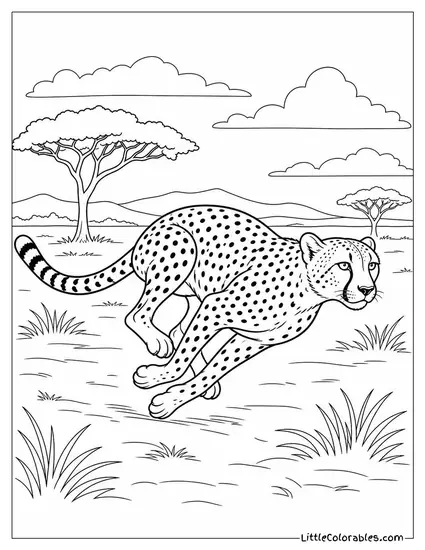
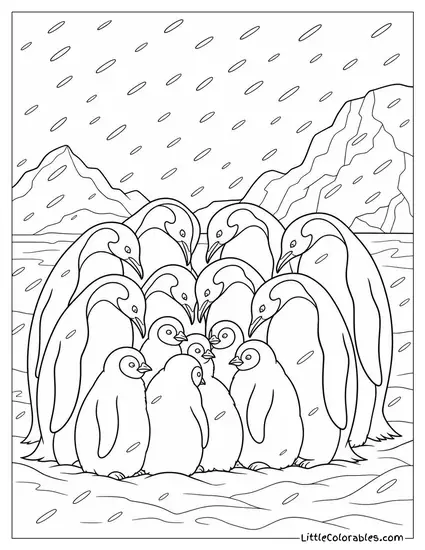
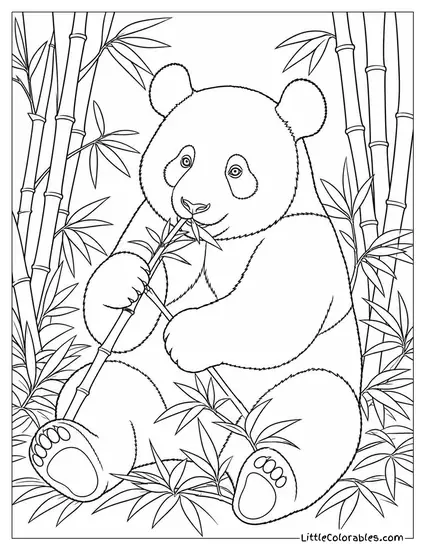
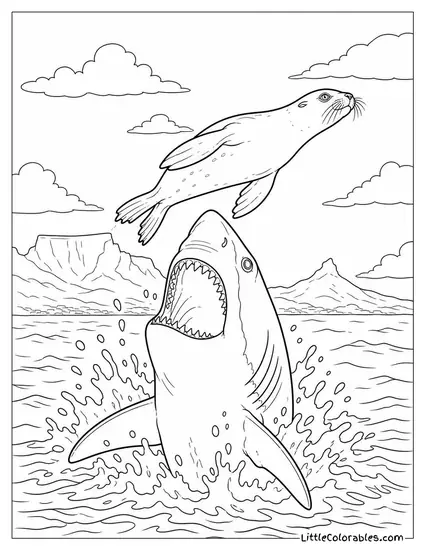
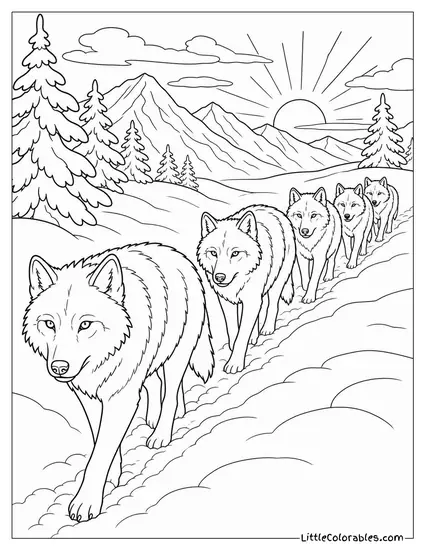
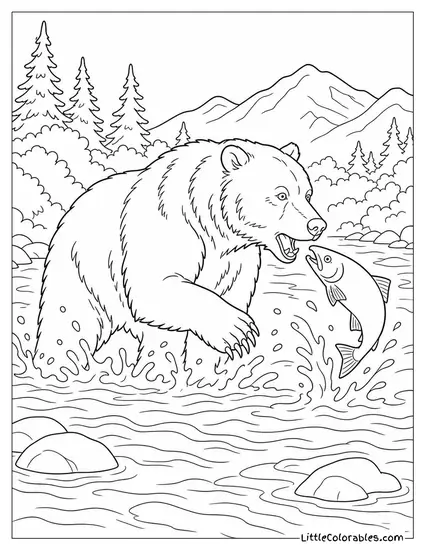
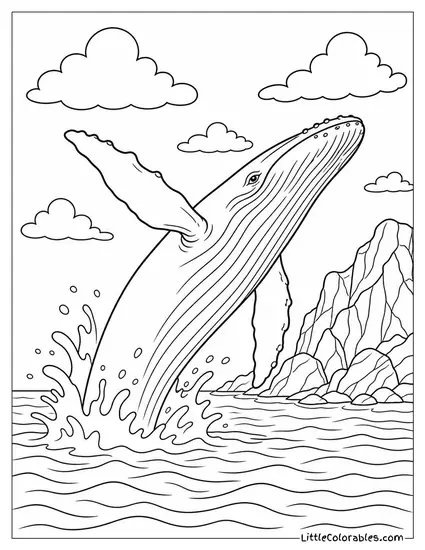
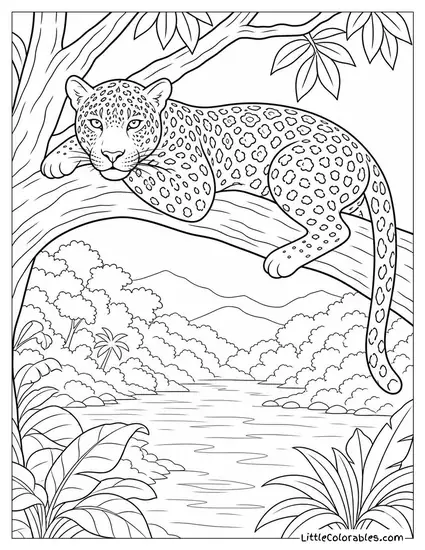


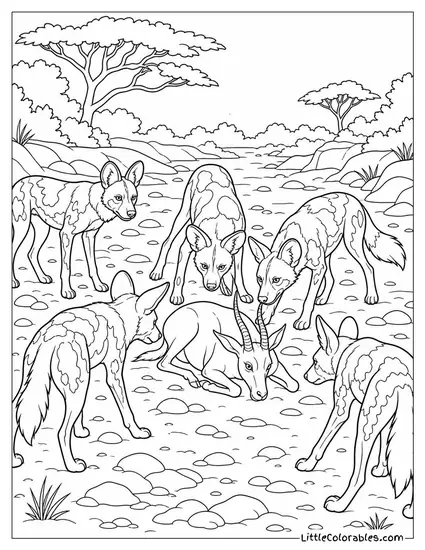
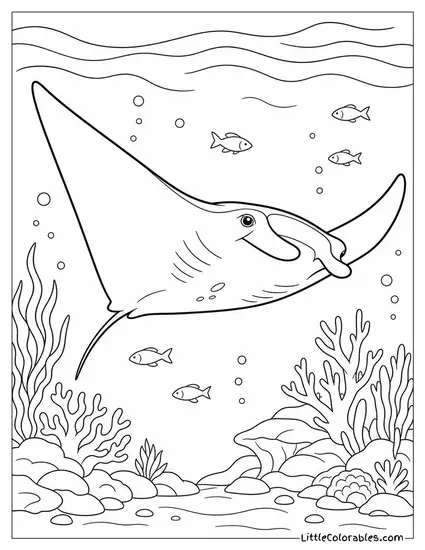



Highlighted Wild Animal Coloring Sheets
Komodo Dragon on Volcanic Rock
This lizard is massive and creeping across rough rocks with a big volcano right in the background. My youngest always asks if the volcano is about to erupt. I usually tell him it might just be letting off some steam.
The scaly skin on this creature takes a lot of patience to color right. It is a great wild animal color sheet for kids who like paying attention to tiny details.
Mountain Gorilla Family Grooming
Here you have four gorillas sitting together on a forest slope taking care of each other. They are picking through fur and just relaxing in the thick jungle leaves. It reminds me of trying to brush the tangles out of my daughter’s hair every morning.
There are so many broad leaves framing this scene. It makes picking out the right greens really important.
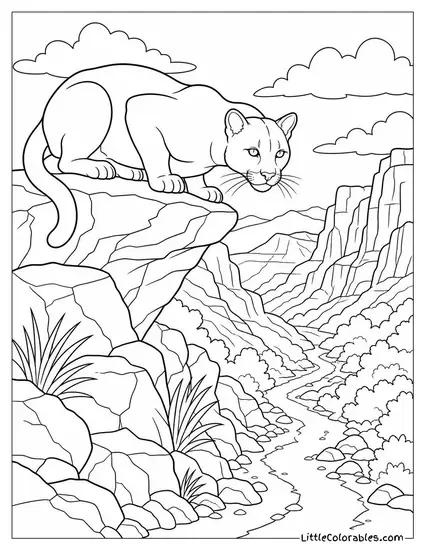
Mountain Lion on a Rocky Ledge
This big cat is crouching low on a sharp cliff staring down at a winding canyon trail. You can almost feel how quiet and focused the animal is.
The rocky texture here gives you a chance to mix gray and brown colored pencils. I think maybe we made the canyon walls a little too steep. But it definitely adds drama to a coloring page of wild animals.
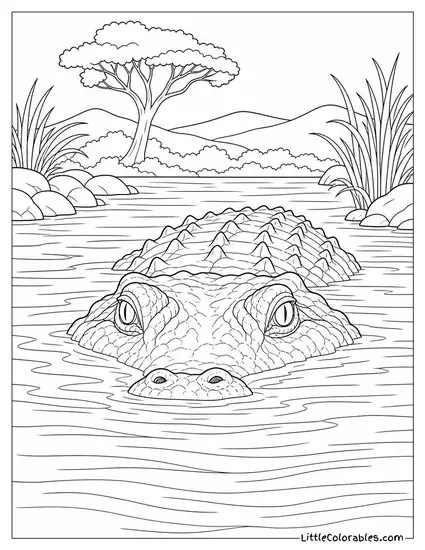
Nile Crocodile in the Water
Only the top of the crocodile’s head and those intense eyes are floating above the waterline. The water is totally flat and motionless in front of a distant shoreline. It is honestly a little bit creepy.
Coloring the ripples around the snout helps make the water look wet and real. Finding printable wild animal coloring pages like this one is surprisingly popular with the boys.
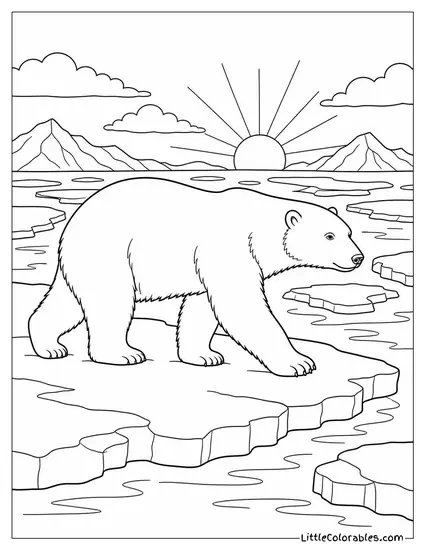
Arctic Polar Bear at Dawn
A heavy polar bear is walking carefully across floating sea ice while the sun sits low on the horizon. The lines on the ice chunks show exactly where the water breaks them apart. It feels very cold and very quiet.
You don’t have to just leave the bear blank paper white. Adding pale blues or faint yellows for the shadows makes a huge difference.
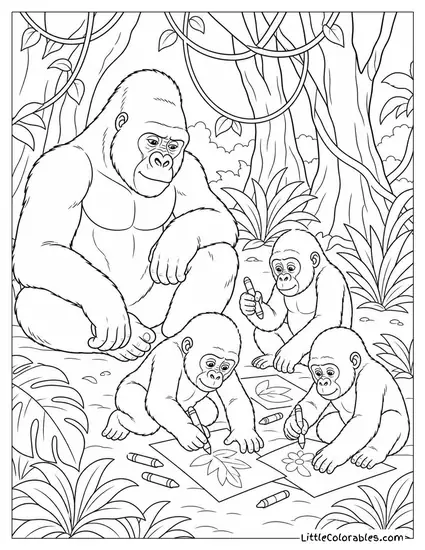
Silverback Gorilla in a Jungle Clearing
A massive silverback is sitting back in the vines watching three younger gorillas. The little ones are actually sitting in the dirt drawing on leaves with crayons.
We thought it would be funny to have the animals doing exactly what your kids are doing. Finding a wild animal color sheet with a little hidden joke is rare. The thick jungle background gives you plenty to fill in.
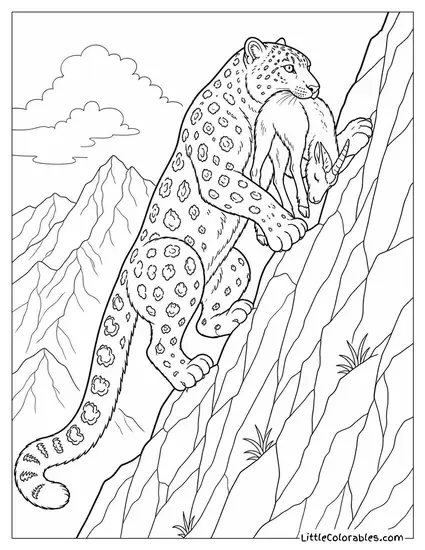
Snow Leopard Climbing a Cliff
This leopard is hauling its dinner straight up a nearly vertical rock face. It looks exhausting and incredibly dangerous.
The spots on the leopard’s coat will take some real focus to fill in properly. I honestly don’t know how they climb like that. But today they do it effortlessly.
Snow Leopard Descending in the Himalayas
Now the snow leopard is walking down a really steep slope with jagged mountain peaks behind it. The tail is incredibly thick and fluffy to help with balance.
The harsh mountain background makes the cat stand out clearly. I love handing out free wild animal coloring pages that show animals moving naturally in their real habitats.
Tips for Coloring Wild Animals
1. Building Realistic Fur
Fur is never just one flat color pulled straight from the box. If you grab a brown crayon and press hard across the whole bear it just looks muddy. You have to work in layers.
Start with a light base color and color in the direction the hair would actually grow. Then come back with a darker shade to flick in small quick lines. It adds depth.
2. Shading Snow and Ice
Snow is tricky because leaving the paper blank feels like you did not finish the job. Kids always want to color every single inch… I get it.
Teach them to use very pale blue or even a faint purple along the bottom edges of the ice blocks. It makes the snow look bright and three-dimensional without covering up the white. Printing a coloring page of wild animals means you need to get comfortable leaving some white space.
3. Making Water Look Deep
The crocodile page has all that still water. Coloring it all sky blue makes it look like a shallow swimming pool. River water is murky and dark.
Try laying down a base of murky green or brown first. Or rather a very dark olive. Then add streaks of dark blue over the top. It makes the water look heavy and deep enough for a giant reptile to hide in.
4. Coloring Volcanic Rocks
Rocks are physically heavy and rough. You want the coloring to look rough too. Smooth gray marker just won’t cut it here.
Use the side of the pencil lead to gently rub texture over the paper. Sometimes we even put a piece of sandpaper under the printable wild animal coloring pages before we color the rocks. It transfers the bumpy pattern perfectly.
5. Mixing Jungle Greens
The gorilla pages have a ridiculous amount of foliage. If you use the standard green marker for every leaf the whole page turns into a giant green blob. It hurts my eyes.
Dig through the pencil box and pull out every single green you own. Yellow-greens, dark olive greens, maybe even a teal . . . you get the idea. Switch colors for different plants so the jungle actually looks alive and tangled.
6. Breaking Out of Blue Skies
We all default to a bright blue stripe across the top of the page. It is a hard habit to break. But dawns and dusks are much more interesting. And what happens when you try something new? The whole picture pops.
For the polar bear picture try blending pink, orange, and pale yellow near the horizon line. Then fade it up into a very light purple. All this color theory comes down to one thing: don’t be boring.
7. Tackling Complex Spots
Snow leopards have those gorgeous rosettes. They are not solid black polka dots. They are circles with lighter centers.
Outline the spots with a dark gray or black pencil first. Then fill the centers with a warm tan or brown. It takes around 14 or 15 minutes of solid focus. But the final result is always worth the effort.
8. Choosing the Right Tools
Markers are great for fast bold colors. But they bleed through the paper and make shading almost impossible. I honestly prefer colored pencils for these detailed nature scenes.
Pencils let you control the pressure. You can press hard for sharp dark shadows under a rock ledge or sketch lightly for a dusty sky. Plus they don’t ruin the table underneath. Will they completely save your furniture? No idea. But today they might help.