


There is a very specific silence that hits a classroom when you pass out fresh heavy paper. I miss that exact quiet sometimes.
We basically survive on whale coloring pages around here just to recreate that peace. Ocean themes work like magic. The deep dark blues just soak up all their frantic energy.
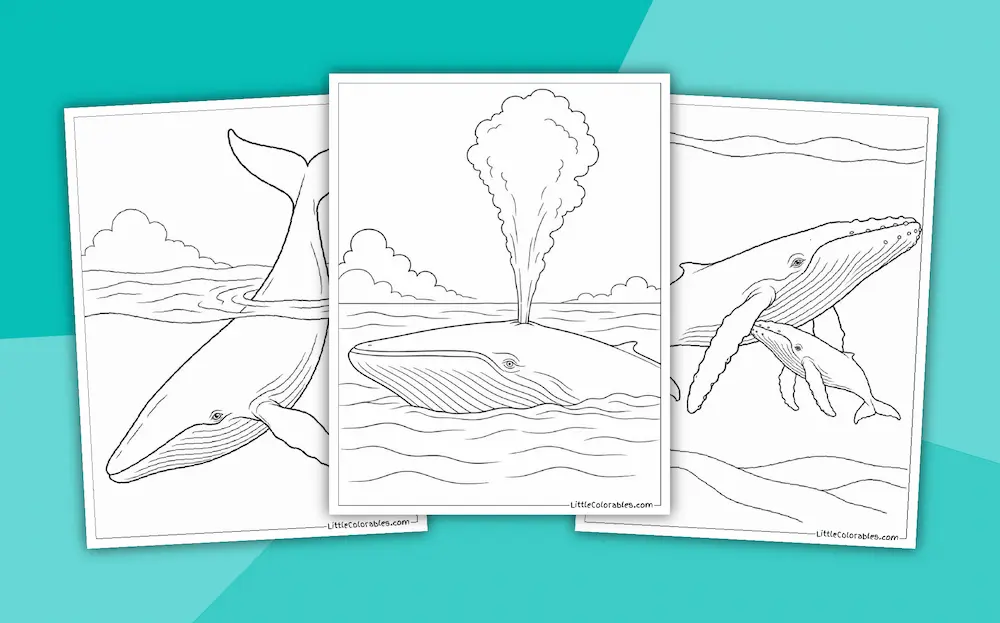 ↓ Scroll to the free printable pages
I needed designs that could handle some aggressive shading. We made these to have enough open space for actual creativity.
A good killer whale coloring page needs stark visual contrast. Let them completely ruin their black markers on it.
Featured Whale Coloring Pages








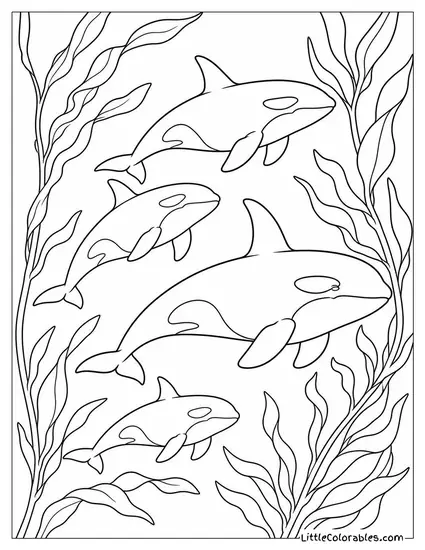
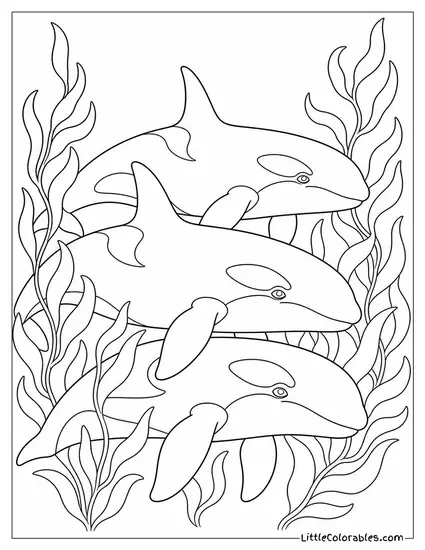
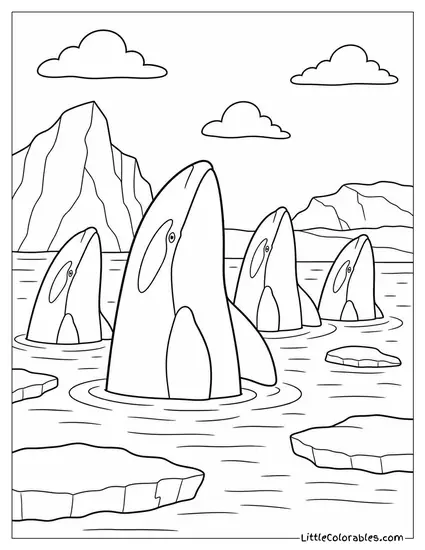
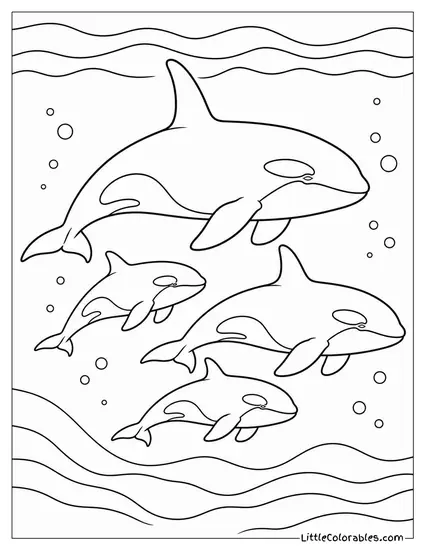
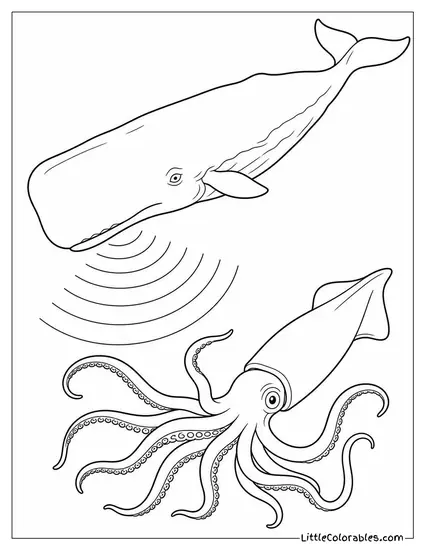

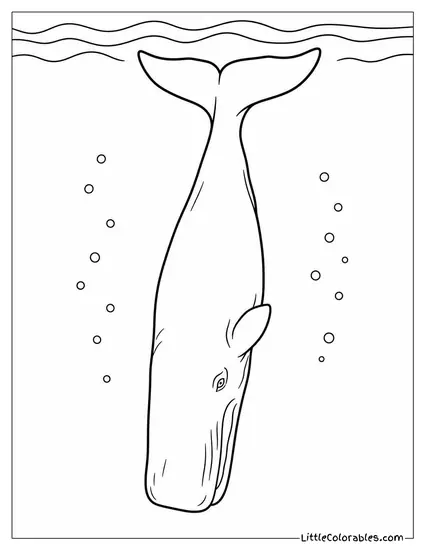

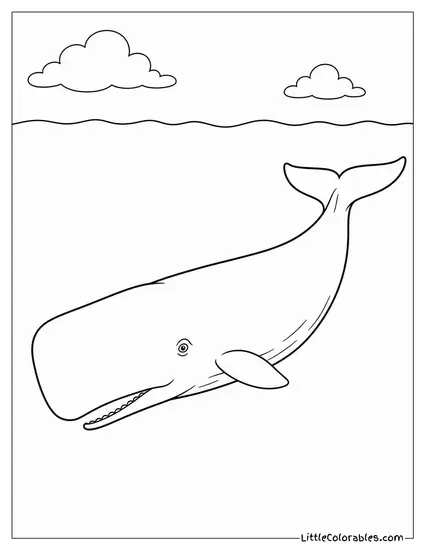

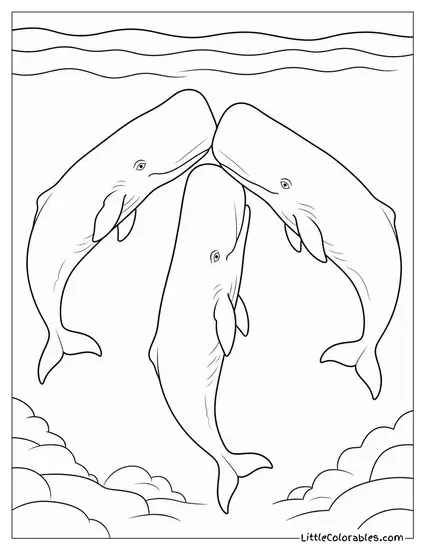
Browse Other Sea Animals
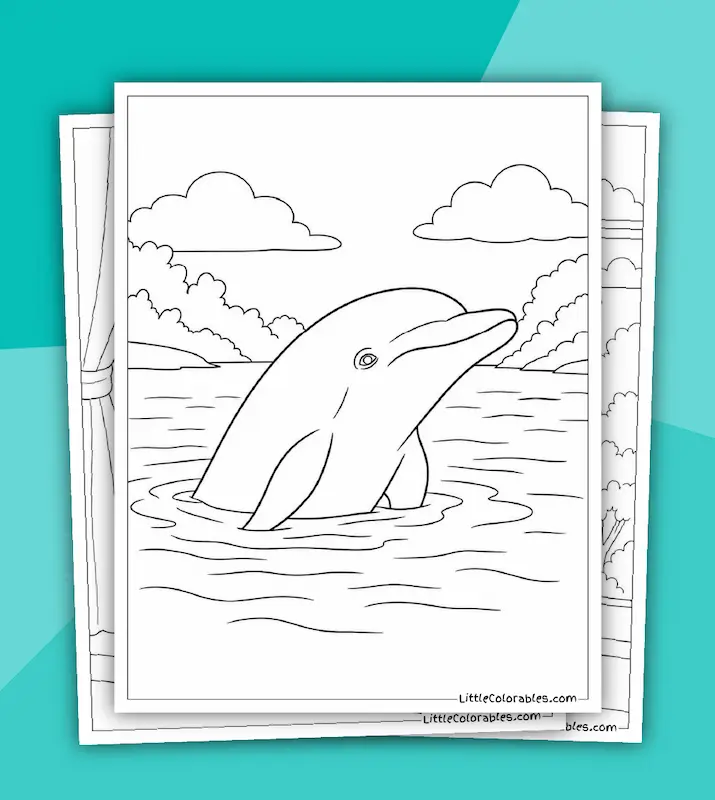
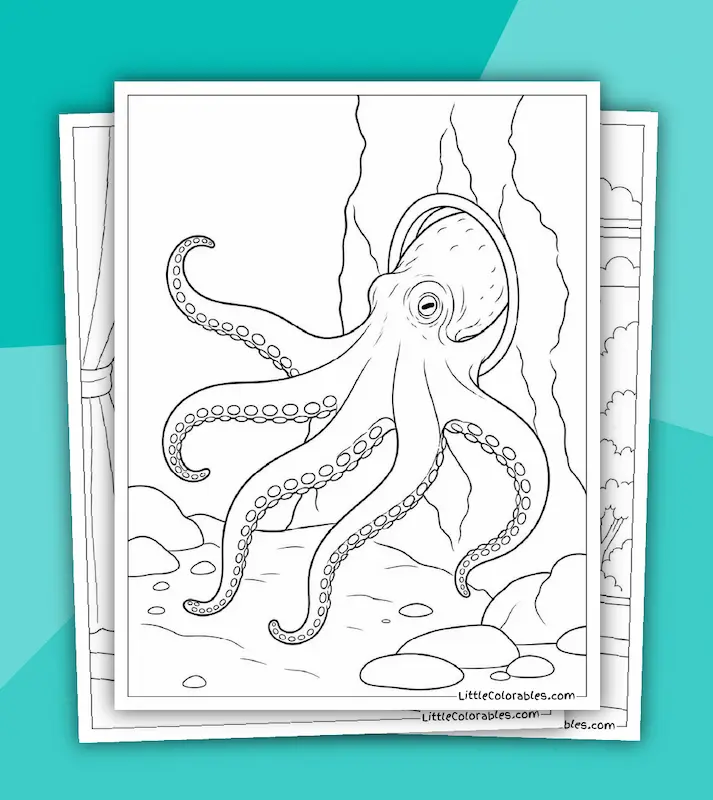
Highlighted Whale Coloring Pages
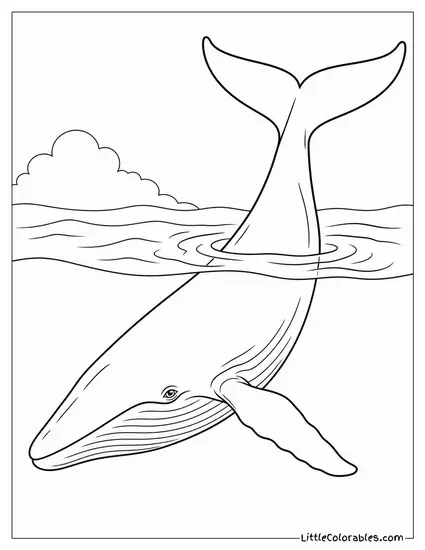
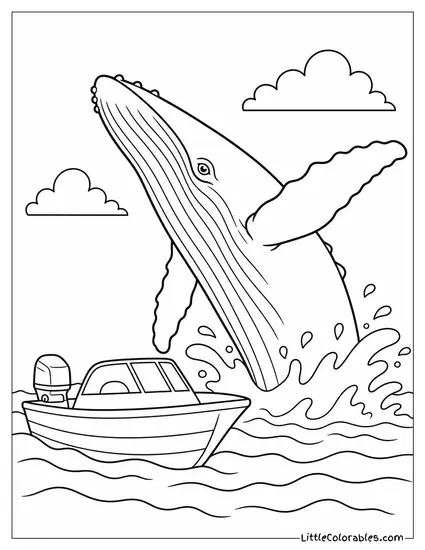
Humpback Lobtailing
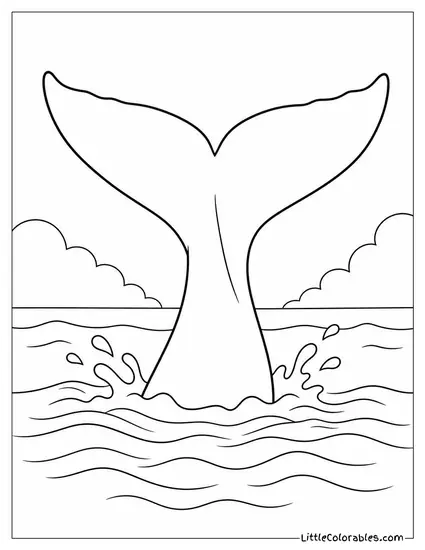
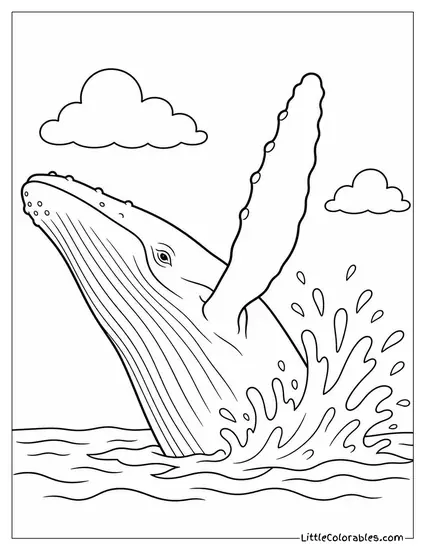
This is just an enormous tail splashing down hard into the water. Kids usually go wild trying to color all those tiny water droplets flying everywhere. My middle one spent twenty minutes just on the waves.
It shows exactly what lobtailing looks like without making it overly complicated. You get a real sense of weight and gravity here. I think it makes a great starting page.
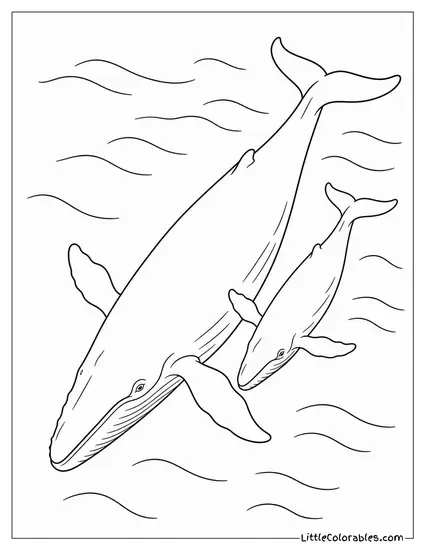
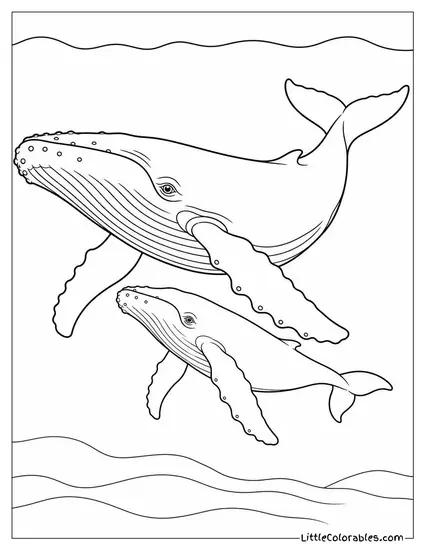
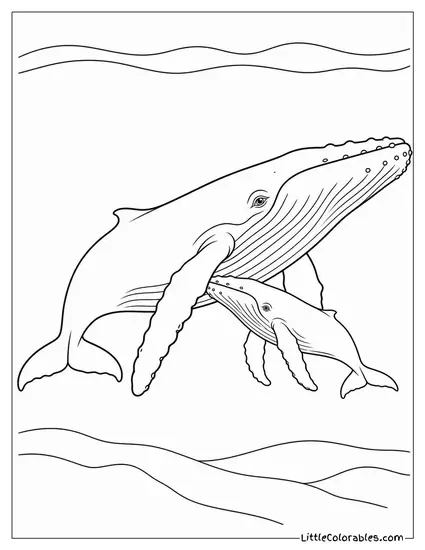
Mother and Calf Resting
There is something incredibly peaceful about a mother humpback resting right next to her calf. We kept the background simple with just some wavy surface lines above them.
It gives a lot of blank space for kids who want to draw their own fish or seaweed. We print these whale coloring sheets a lot when we need a quiet afternoon down-time.
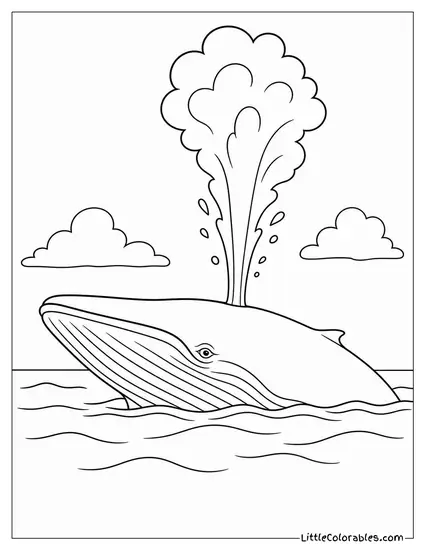
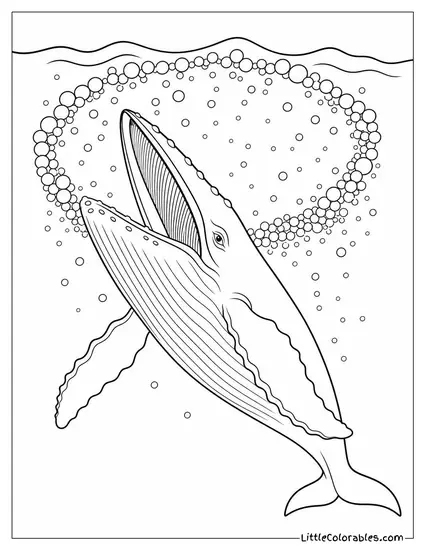
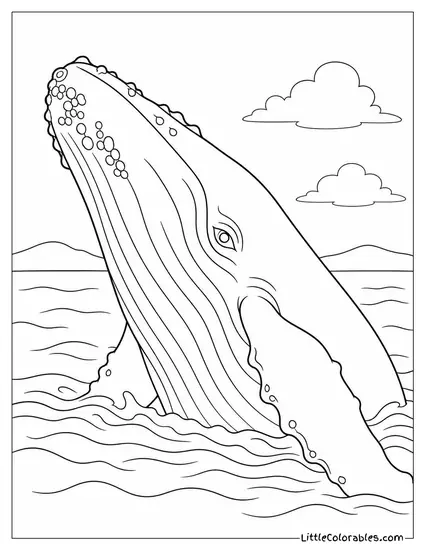
Surface Active Humpback
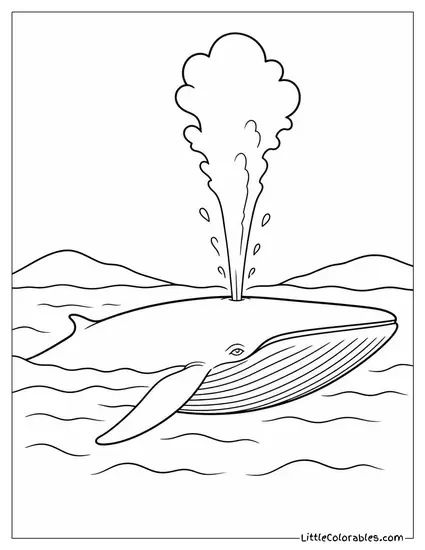
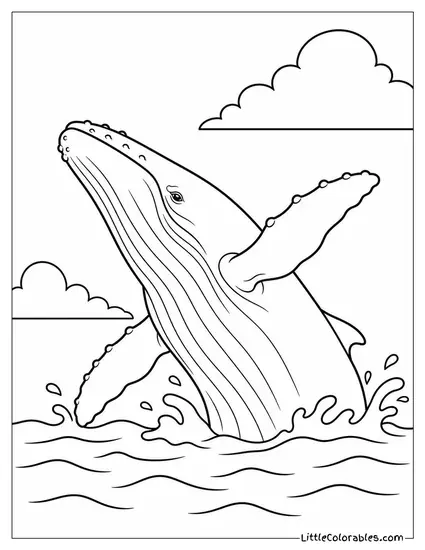
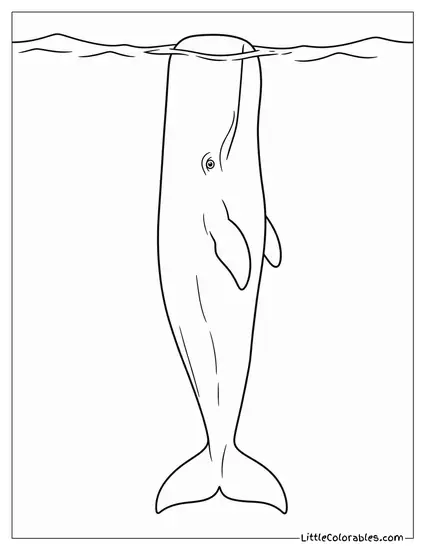
This humpback is pushing right up through the surface of the ocean. You can clearly see the grooves on its throat and the clouds sitting quietly in the background.
It feels very dynamic. Sometimes kids color the sky bright orange like a sunset and it completely changes the mood of the whole drawing.
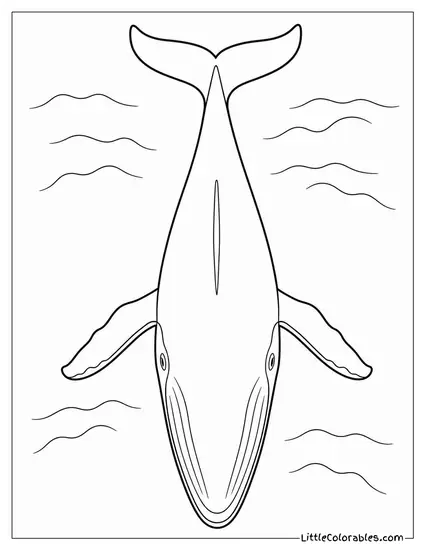
Full Body Top-Down View
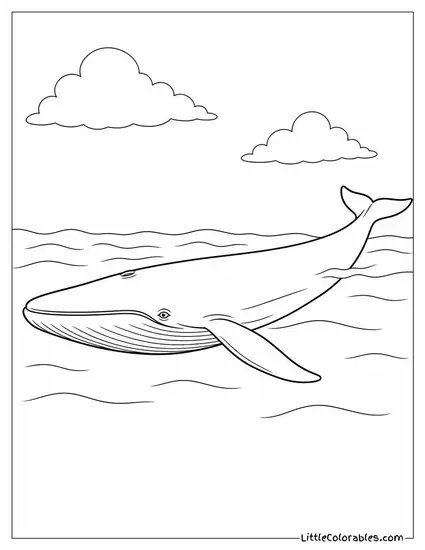
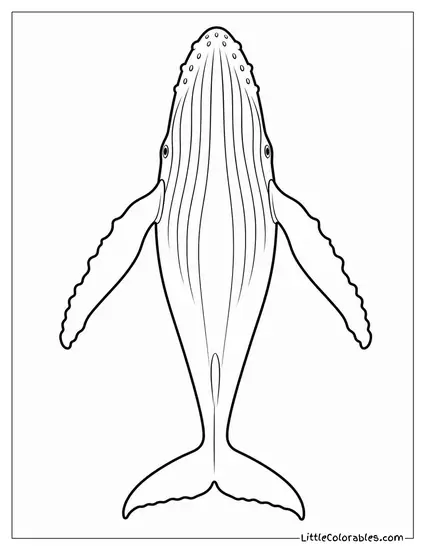
I honestly love this top-down perspective because it shows the true shape of a humpback. The giant pectoral fins are stretched way out to the sides.
Teachers use these specific free whale coloring pages for science units all the time. It is basically a blank slate for labeling anatomy if you want to get educational with it.
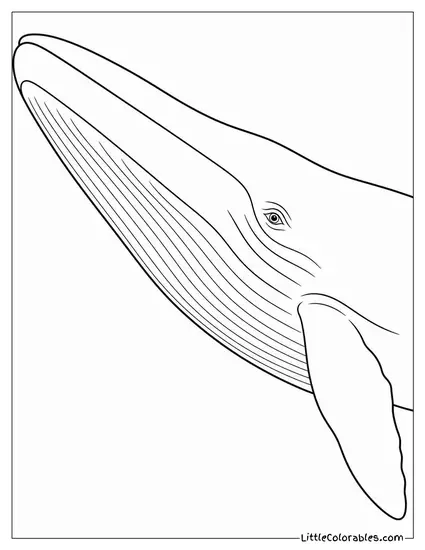
Close-Range Barnacles
We zoomed right in on the head of this humpback so you can see all the bumpy barnacles. It has this really intense texture that older kids usually appreciate more.
The clouds behind it give it a sense of scale. A student of mine used to meticulously color every single barnacle a different shade of grey.
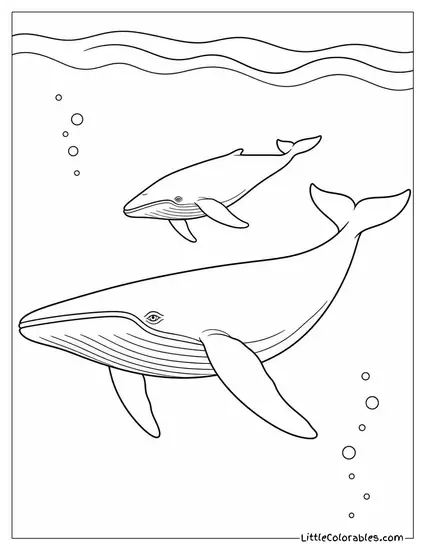
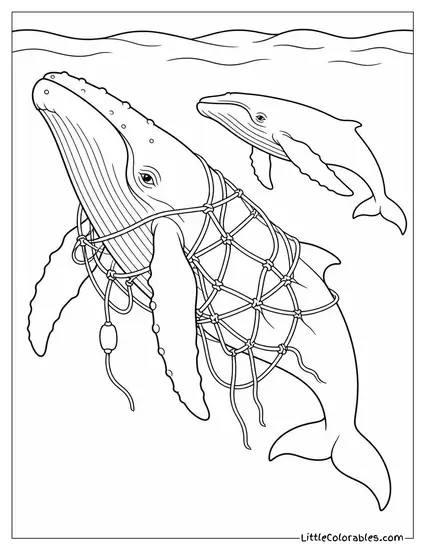
Mother, Calf and Escorts
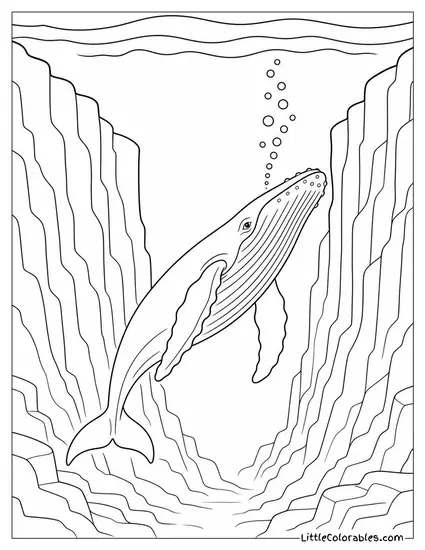
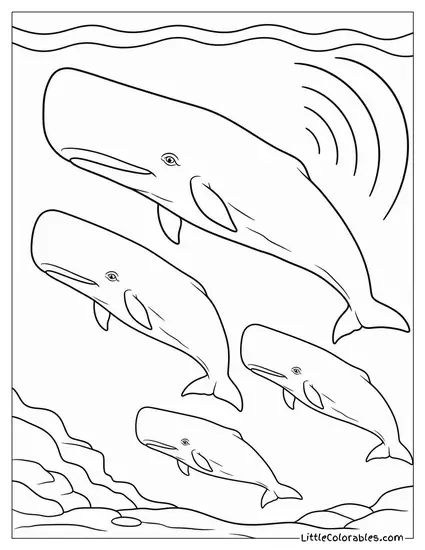
This one features a whole pod swimming together underwater. You have the main mother and calf up front with other escorts fading into the background.
It creates a cool depth effect. Finding printable whale coloring pages that show group behavior like this is surprisingly difficult.
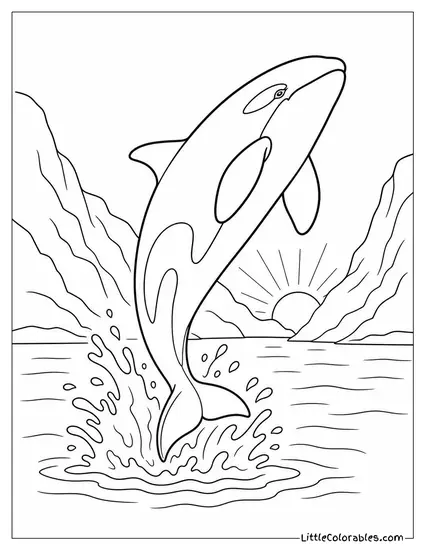
Orca Breaching in a Fjord
Here we have a killer whale jumping completely out of the water at dawn. The sharp lines of the fjord mountains in the background contrast nicely with the water splashes.
If your kid asks for a killer whale coloring page, this is usually the winner. The sun rays coming from the horizon make the whole scene look incredibly dramatic.
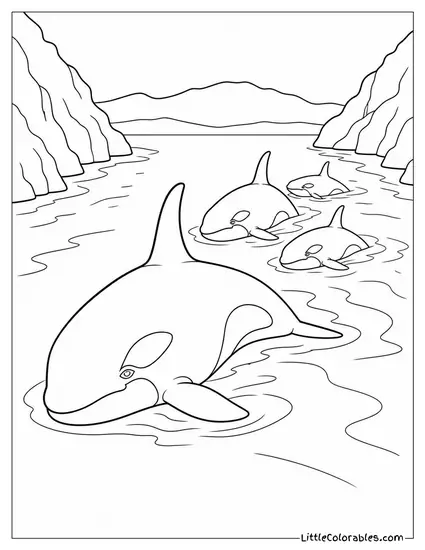
Orca Calf in Slipstream
The mother orca is gliding along the surface with her calf right in her slipstream. You can see the coastline just resting quietly behind them.
It captures that protective feeling perfectly. I always print an extra orca whale coloring page when we do this one because I secretly want to color it myself.
Tips for Coloring Whale Color Pages
1. Don’t Just Use Grey
Most kids grab a grey crayon and just furiously scrub the whole paper. I always remind my kids that ocean animals have lots of hidden colors.
Try blending some light blue or even a tiny bit of purple into the shadows. It gives the animal a rounder and more realistic look. The flat grey gets boring after about 37 seconds anyway.
2. Layering the Ocean Water
The water takes up a massive amount of space on these pages. If they color it all one solid block of navy blue it just looks flat and heavy.
I tell my kids to use at least three different blues. Start light near the top and get darker as you go down. It totally transforms those basic whale coloring sheets into a whole scene.
3. Handling the Orca Whites
Getting the white patches right on a killer whale is notoriously tricky for little hands. They usually accidentally color outside the lines and smudge black into the eye patch.
A good trick is to outline the white shapes with a very light blue pencil first. It creates a tiny physical barrier on the paper. Then they can attack the black parts of the killer whale coloring page without ruining the contrast.
4. Adding Texture to Barnacles
Humpbacks have those bumpy barnacles all over their faces and fins. Coloring them can be a bit tedious if you are six years old.
I suggest using the side of the crayon to lightly rub over those textured spots. Or they can use a completely weird color like yellow for the bumps just to make them pop. Sometimes breaking the rules is the best part of art.
5. Sunset Backgrounds Change Everything
We always assume the sky has to be blue. But a blue whale in blue water with a blue sky is just a massive blur of blue.
Try having them color the sky bright pink and orange like a sunset. It creates crazy contrast. An orca whale coloring page looks amazing against a fiery red sky.
6. Use Markers for the Deep Dark Water
Crayons are great but they leave a lot of white specks on the paper. When you are coloring the deep parts of the ocean those white specks ruin the illusion.
Bust out the washable markers for the very bottom of the page. It lays down a solid and heavy layer of ink that anchors the whole picture. Just make sure you put a scrap paper behind it so it doesn’t bleed through to the table.
7. Leave the Splash White
Water splashes are technically clear but they look white when they crash. Kids always try to color the splashing droplets blue.
Teach them to just leave the splash completely blank. It feels counter intuitive to not color something. But that stark white paper against the dark water makes the splash look explosive.
8. Mix Mediums for Effect
There is no rule that says you have to use only one type of art supply. We regularly mix crayons with colored pencils on the same drawing.
Use a soft pencil for the delicate shading on the whale’s belly. Then use a hard crayon to aggressively color the water. It gives the finished page a messy authentic texture that I absolutely love.