


Every May someone in my house yells “Mayday!” like it’s a holiday greeting, and every May I explain that it isn’t. The radio distress call comes from the French m’aider, short for “come help me,” and has nothing to do with the month.
These May coloring pages are my fix when the calendar wins, bees, strawberries and wildflowers that need nothing but a crayon. They also work as coloring pages for May birthdays, Mother’s Day tables or the last wobbly weeks before summer break.
 ↓ Scroll to the free printable pages
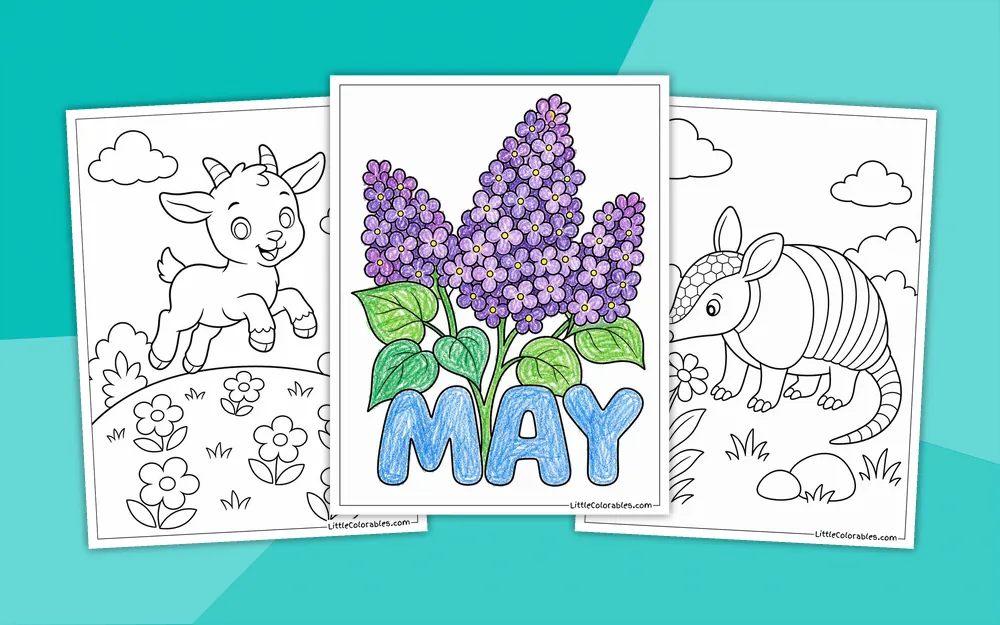
There are over 40 pages in the grid below, from a bumblebee dozing under the moon to an armadillo nosing through wildflowers. Most are big and chunky enough for toddlers, and a couple (the rose frame, the mandala) will test a patient nine-year-old.
All of them are completely free, drawn by our team and saved as PDFs that print cleanly on plain paper. Start with whichever one your kid points at first.
Featured May Coloring Pages
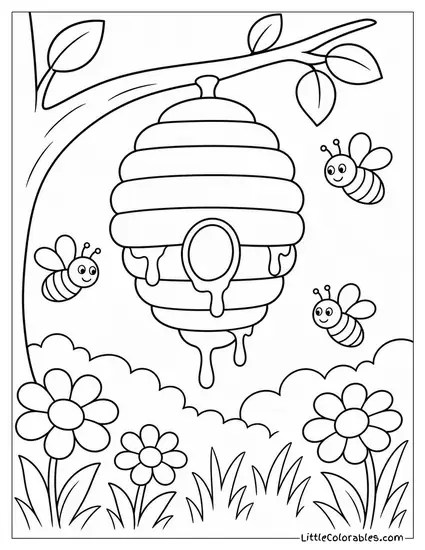
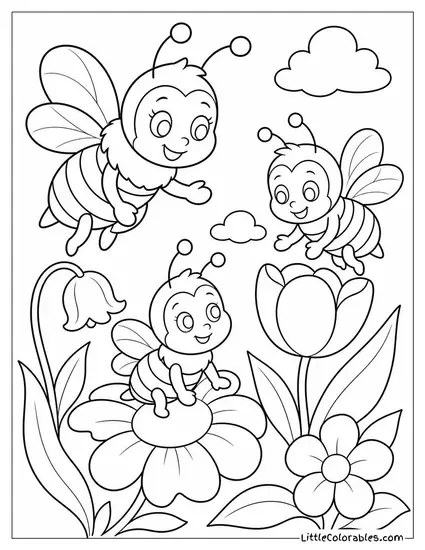
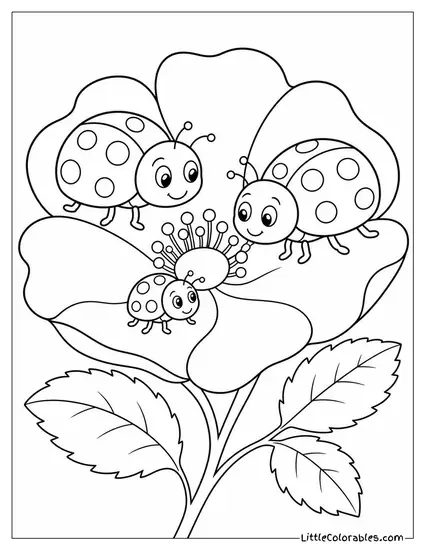
I love this little bumblebee family buzzing through the May flowers. It reminds me of a family outing where everyone wants to stop at a different spot. I’d leave a few petals for the wildest crayon colors, because a spring garden can always use a purple surprise!
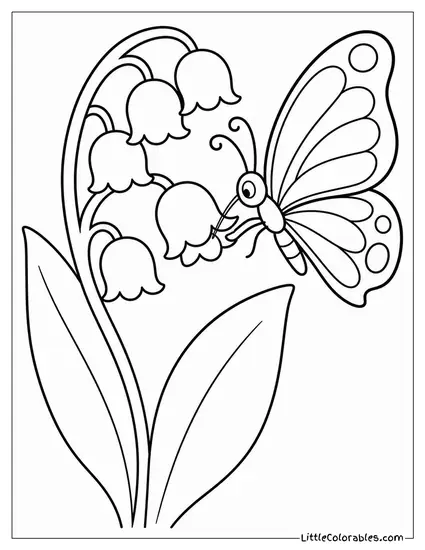
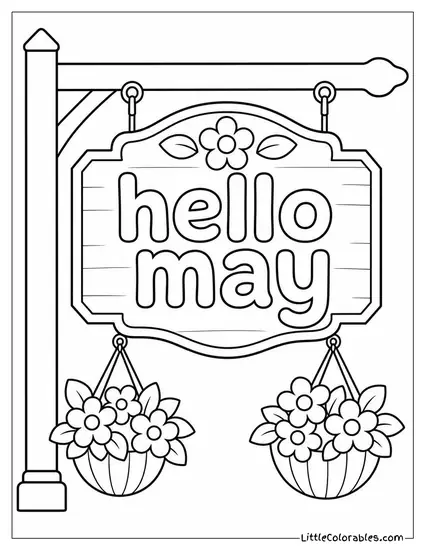
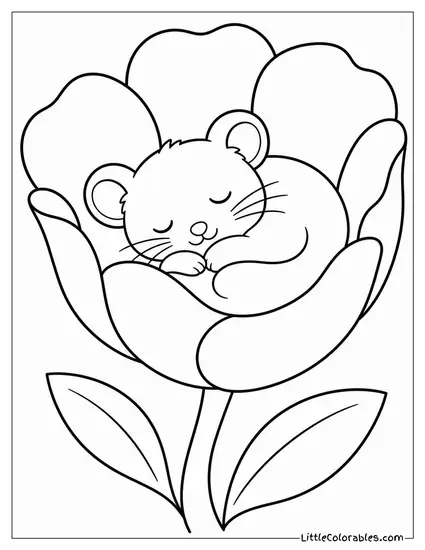
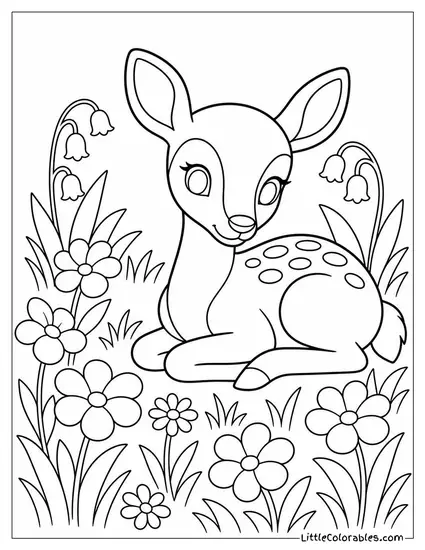
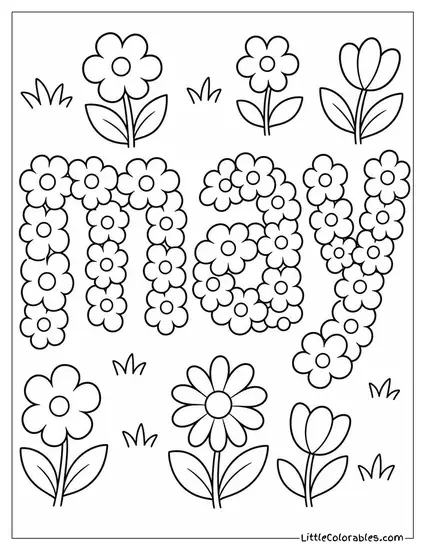
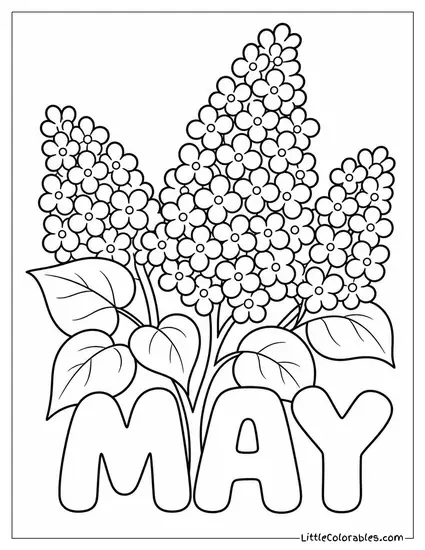
I love how these little flowers spell out May when you peek at the field from above. It’s like a secret message growing in the garden! I’d give each letter its own cheerful color, though a whole field of rainbow petals would be hard to resist.
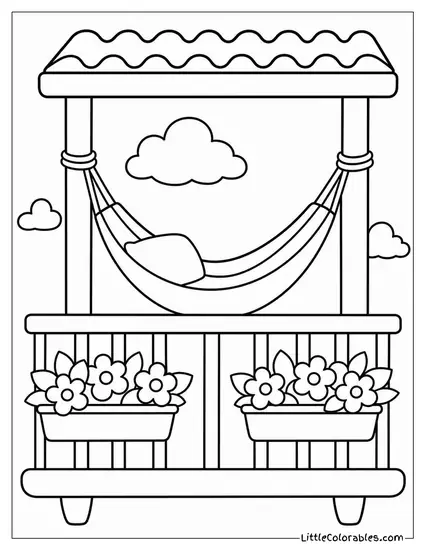
Those flower boxes are just begging for a jumble of bright colors, and I’d sneak a few purple blooms in among the pinks. That hammock looks like the perfect spot for a May afternoon with a book, assuming nobody needs a snack the moment I sit down!
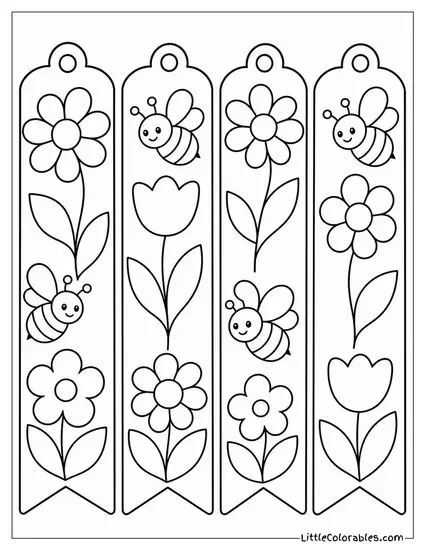
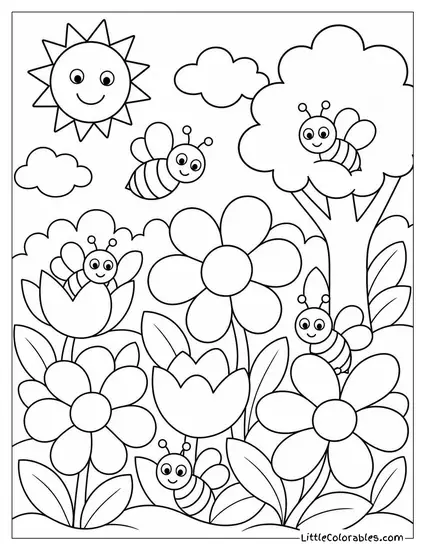
I love a little seek-and-find fun in May, and these hidden bees give busy little eyes something sweet to hunt for before the crayons come out. I’d save one sneaky bee for a friendly grown-up-versus-kid challenge. Somehow, the kids always spot it first!
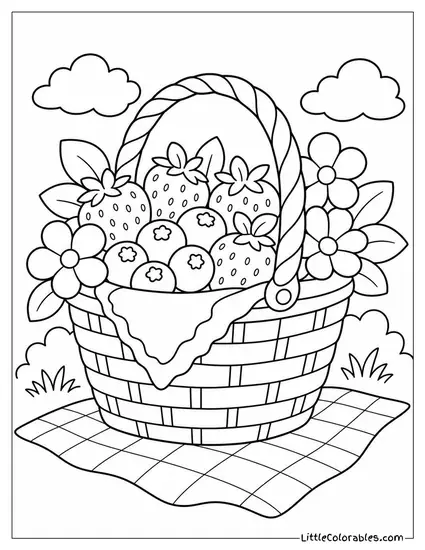
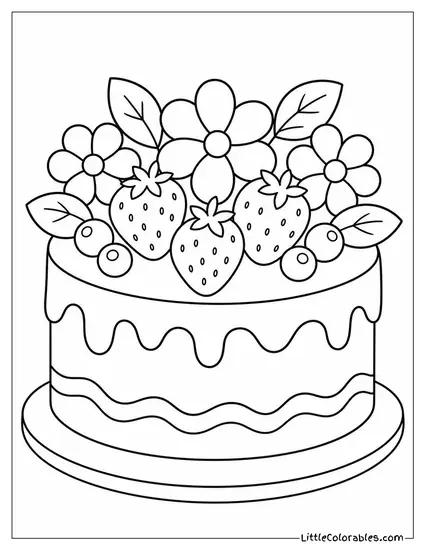
I’d start with juicy reds and purples for the berries, then let the flowers turn this little May picnic basket into a rainbow. It’s the sort of basket I’d happily take to the park, though I suspect the berries wouldn’t survive the walk!
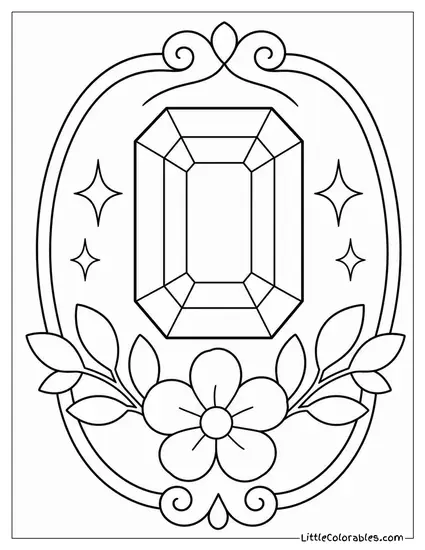
I’d reach for the brightest greens for this emerald, then let the decorative frame have a little rainbow fun. The May lettering makes it a sweet birthday activity for little ones born that month, though nobody needs a birthday excuse to enjoy a fancy gem!
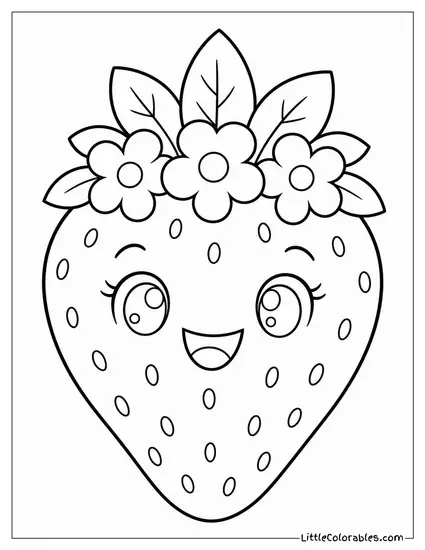
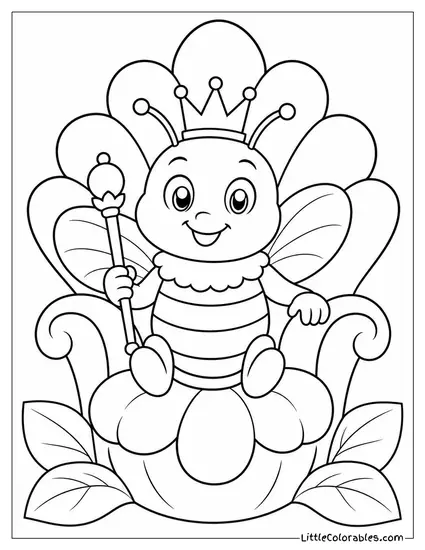
This little strawberry looks like it got dressed up to be queen of the garden, and that flowery crown is such a sweet touch. I’d go for rosy red cheeks and a different color for every flower, though a purple strawberry would be pretty fun too!
Did you love these May pages?
Spring Collections
May Coloring Pages Highlights
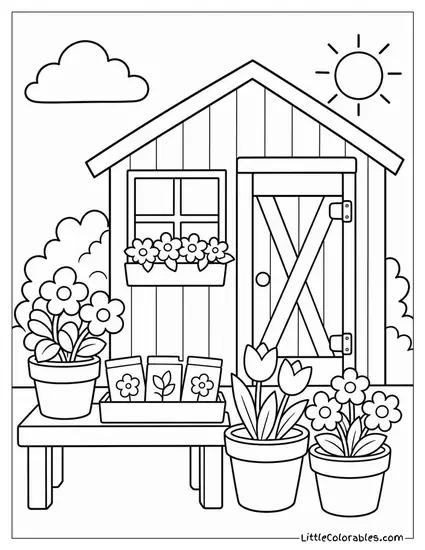
Garden Shed With Seed Packets and Blooming Pots
A plank shed with a flower box under its window and a braced door sits behind a little potting bench. Seed packets line up along the bench, with potted flowers at one end and a pot of tulips beside it, while a bush, a cloud and a sun fill in the corners.
You know the kid who “helps” plant and mostly just digs… Here’s a page for exactly that kid. Lots of straight boards for careful colorers, round pots for the little ones.
Hidden Picture Page With Bees
How many bees? Not telling. A grinning sun and puffy clouds float over a packed bed of tulips and round blossoms, and the bees are tucked in everywhere, peeking over petals and buzzing up near the clouds.
No reading needed, which makes it an easy early-finisher page for a classroom basket. The bees share the same chubby outlines as the flowers, so even a preschooler can trace one with a finger before picking up a crayon.
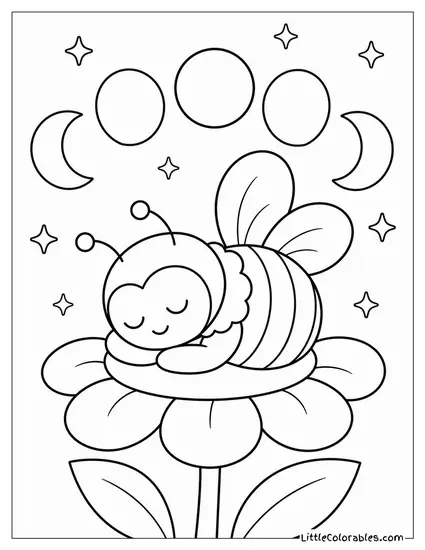
Moon Phases With a Sleepy Bumblebee
A fuzzy bumblebee is curled up asleep on a big open flower, eyes shut, smiling like the day went well. Over its head the moon runs in an arc, crescents at both ends and full moons in between, with little stars sprinkled around.
That moon row looks like a time-lapse strip, the same shot of the sky taken a few nights apart. Good for winding down at night. It also slips nicely into a spring science unit on the moon.
Pond With Dragonflies and Water Lilies
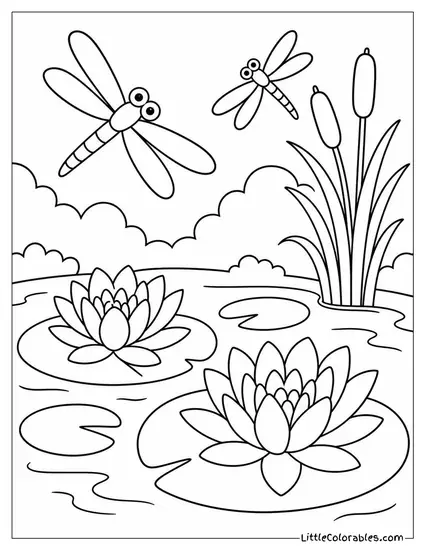
Bug kids, this one’s yours. Two dragonflies zip across the top corner, cattails stand tall on the right, and a pair of water lilies opens on flat pads below, with ripple rings circling the water.
The water lily petals are pointed and stacked in layers, so a steady seven-year-old will get the most out of them. Younger kids can skip the petals and go wild on the pads.
Snow Globe Filled With Flowers
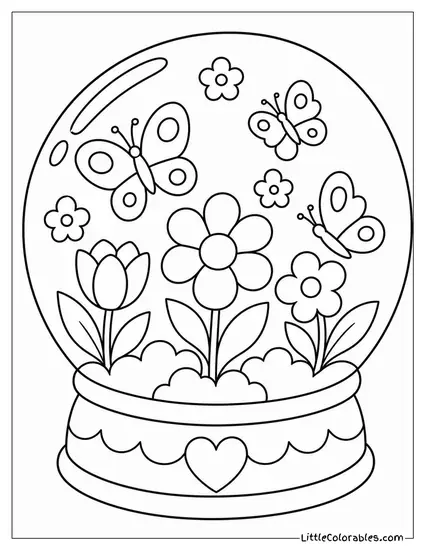
Snow globes usually mean December. Somebody forgot to tell this one. Inside the glass, tulips and round blossoms grow from a little mound while butterflies drift where the snowflakes should be, and a heart decorates the scalloped base.
Preschoolers love catching the “mistake” and telling you all about it. Teachers who want May coloring pages printable as Mother’s Day cards tend to like it too, since the round globe trims out neatly.
Armadillo Sniffing Wildflowers
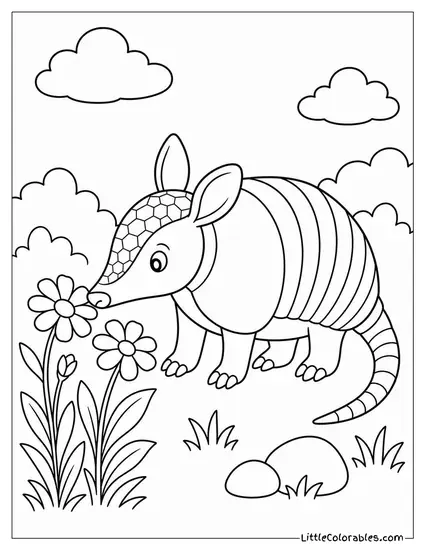
Nose down and tail out, this armadillo has found a clump of wildflowers and is taking a long, serious sniff. Its banded shell, perky ears and a pebble in the grass are all drawn in thick, forgiving lines.
Armadillos rarely turn up on coloring pages. It’s a May color page for kids who are a little tired of bunnies, and the shapes are big enough for a three-year-old.
Quokka in a Field of May Flowers
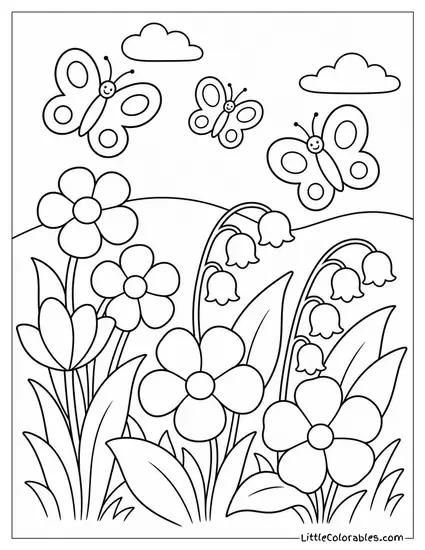
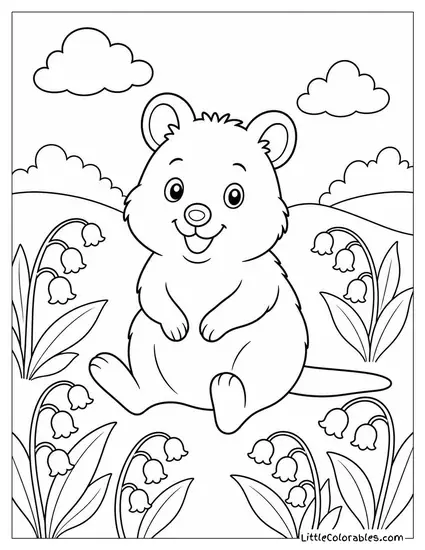
I think this quokka has the happiest face in the whole collection. Paws held close, it sits up grinning while lily of the valley stems arch around it and hills roll off behind.
Simple enough for preschool. But those tiny bell flowers will slow down anyone who cares about edges.
Smiling Strawberry Wearing a Flower Crown
Big shiny eyes, a tiny grin and oval seeds dotted all over. A crown of blossoms and leaves sits on top, tucked in as snugly as the flower circlet a stylist bobby-pins onto a flower girl before a wedding.
Toddlers can practice filling one big shape. Older kids get the fiddly crown to finish, and somebody always wants the face pink instead of red.
8 Tips for Coloring May Flowers, Bugs and Critters
Give the Quokka Its Rottnest Island Colors
Wild quokkas live mostly on Rottnest Island off Western Australia, which a Dutch captain named “rat’s nest” in 1696 because he took them for giant rats. Their real fur is a coarse grayish brown, warmed with a rusty tint around the face and neck.
Lay a light gray-brown pencil over the whole quokka, then go back with rust or cinnamon on the cheeks and throat only. Keep the tummy paler and press hard on the eyes and nose so that grin carries the page.
Lily of the Valley Bells Should Look Hollow
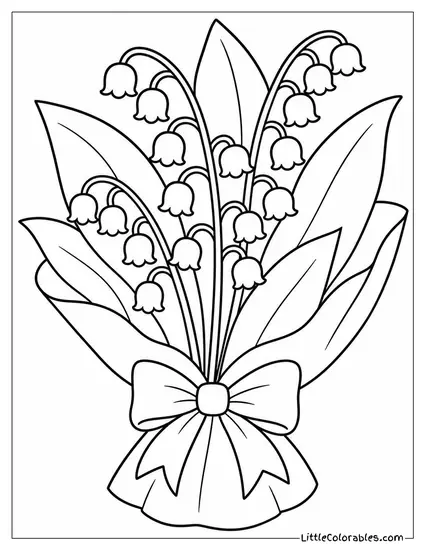
May’s birth flowers include lily of the valley, and in France people give each other little sprigs of it on May 1 for luck. The quokka and meadow pages draw its stems with rows of tiny hanging bells.
Leave each bell white and tuck a whisper of gray-green just inside the bottom rim with a sharp colored pencil, since a marker will flood shapes that small. Shade the wide leaves a deep, cool green so the bells read as little white cups.
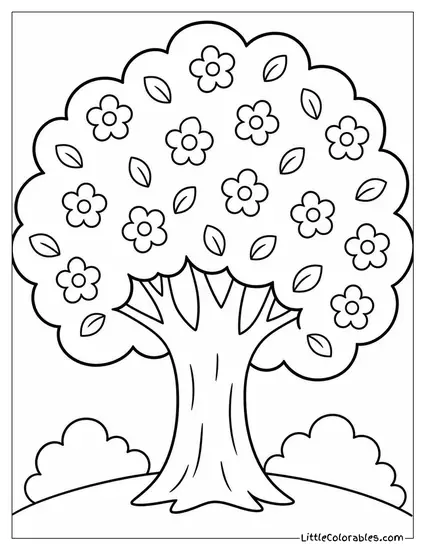
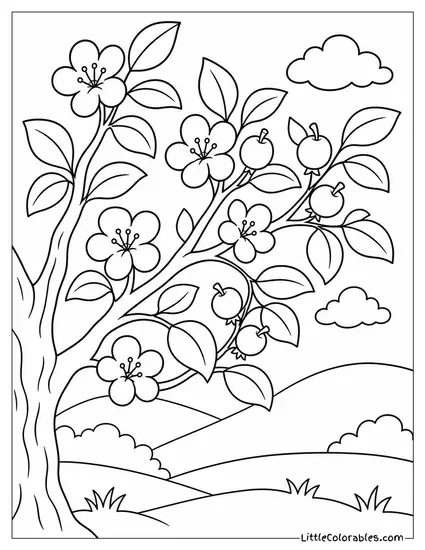
Turn the Calendar Tree Into a Hawthorn
In Britain the hawthorn is nicknamed the May tree, and its blossom is simply called may. The old saying “ne’er cast a clout till May be out” means don’t pack away your coat yet, though people still argue whether it’s about the month or the flower.
Treat the calendar tree as a hawthorn, with the five-petal blossoms left paper white or barely blushed pink against the leaves. Real hawthorn stamens have pinkish purple tips, so a few short pink strokes poking out of each center finish the look.
Color the Hidden Bee Page the Way Bees See It
Bees can’t pick out red the way we do, but they’re drawn to violet, blue and yellow, and they even see ultraviolet stripes on petals that are invisible to us. Color the flowers closest to each bee in those bee-friendly shades.
Then make one or two blooms tomato red and ask which flower the bees would probably skip. Kids chew on that question longer than you’d expect.
Dress the Sleeping Bee as a Tricolored Bumblebee
Male bumblebees don’t go back to the nest at night, so they often sleep hanging onto a flower, just like the bee on the moon phases page. North America’s tricolored bumblebee adds a bright orange band across its middle to the usual yellow and black.
Decide which stripe gets the orange before you start, then fill the yellow and black around it with crayon pressed firm. Go soft lilac on the flower under it and keep the moons pale, so that orange band is the loudest thing on the page.
One Blue Darner, One Red Darner
The common green darner is one of the first big dragonflies over North American ponds in spring, and many of them get there by migrating north. Males have a grass-green front half and a bright blue tail, while females and young males usually carry a reddish brown or purplish tail instead.
With two dragonflies on the pond page, make one a blue-tailed male and the other a reddish female. Give both the same green up front and a darker green on the huge eyes, which wrap nearly all the way around a real darner’s head.
Give the Armadillo’s Shell Real Plates
The armadillo found in the U.S. is the nine-banded armadillo, though real ones can have anywhere from seven to eleven bands, and a mother almost always has identical quadruplets. Lily took one look and decided ours was a turtle in a striped sweater, and I didn’t have the heart to correct her.
Fill the shell with a dusty gray-tan and press a little harder right along each band line so the plates seem to overlap. Because armadillos see poorly and find food by smell, give the nose and the flowers it’s sniffing your brightest colors.
Strawberries at Three Stages of Ripe
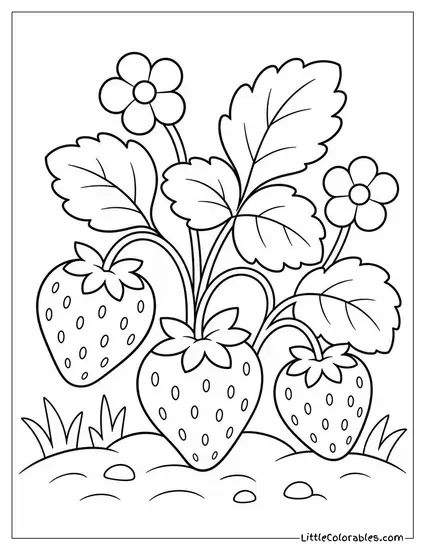
Those dots on a strawberry aren’t really seeds. Each one is a tiny fruit called an achene with a seed inside, and one berry carries around 200 of them.
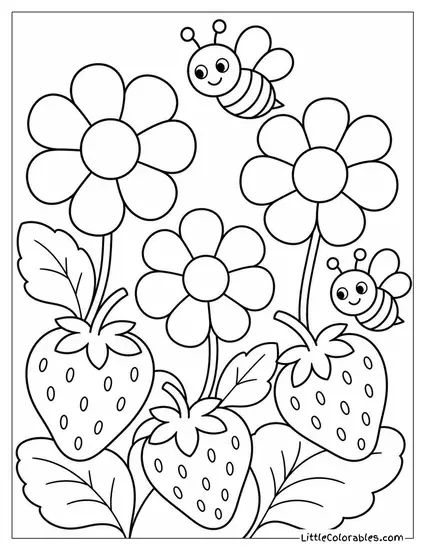
On the patch page, color one berry red, one pinkish and one pale green-white, since berries on the same plant ripen at different times. Finish the five-petal blossoms on the patch and in the smiling strawberry’s crown with white petals and yellow centers, and those two May coloring sheets match like a set.