


Every December my kitchen floor disappears under paper snowflake scraps, and it stays that way well into January. Tiny triangles in the rug, in the butter dish, stuck to somebody’s sock three days later.
I love the craft, I do, but honestly I’ve vacuumed up more paper snow than has ever fallen on our front yard. So this winter our team drew snowflake coloring pages instead, and not one of them needs scissors, glue or a trip to the vacuum closet.
 ↓ Scroll to the free printable pages
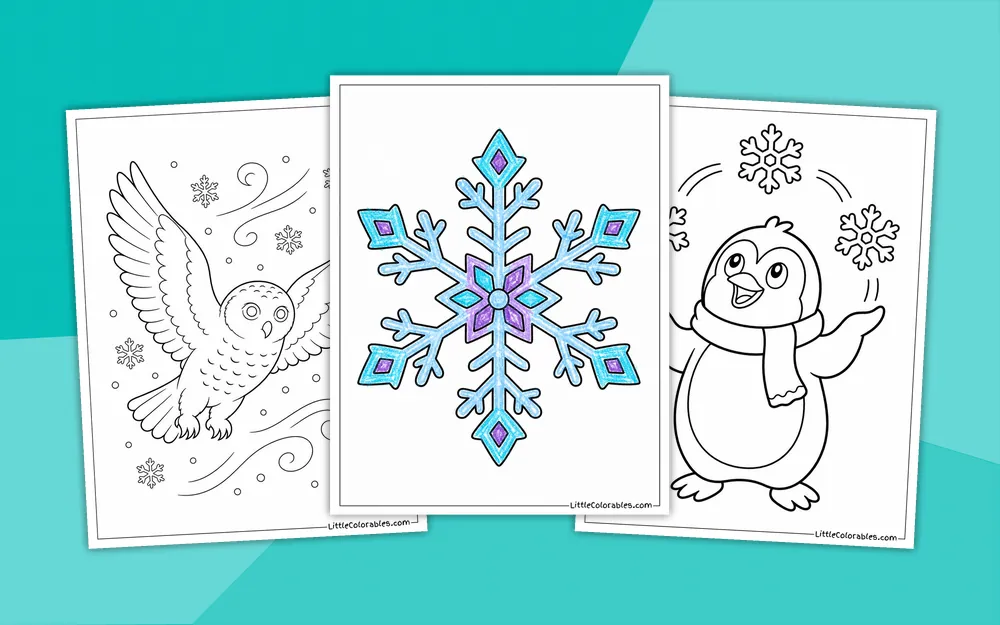
The printable snowflake coloring pages below each open as a PDF, ready for a home printer or the school copier. You’ll find a mouse riding a flake like a parachute, an owl that wears them as feathers and one flake with a whole village tucked inside.
Oh, and that famous line about no two snowflakes being alike? An atmospheric scientist named Nancy Knight found a matching pair in 1988, so pick favorites from the grid and don’t fret about twins.
Featured Snowflake Coloring Pages
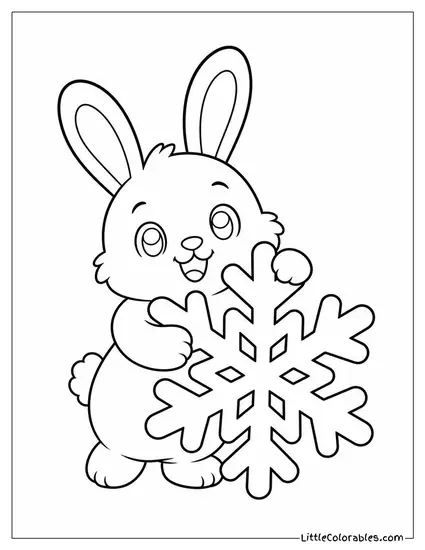
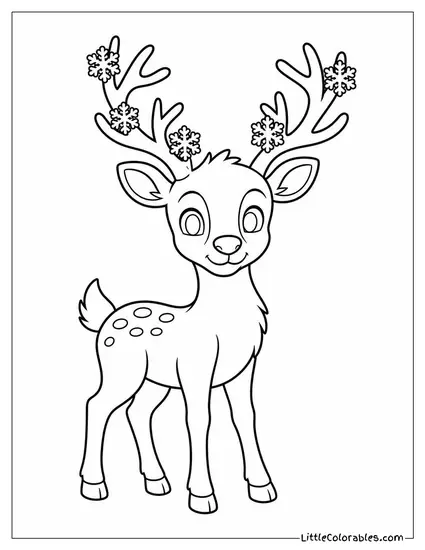
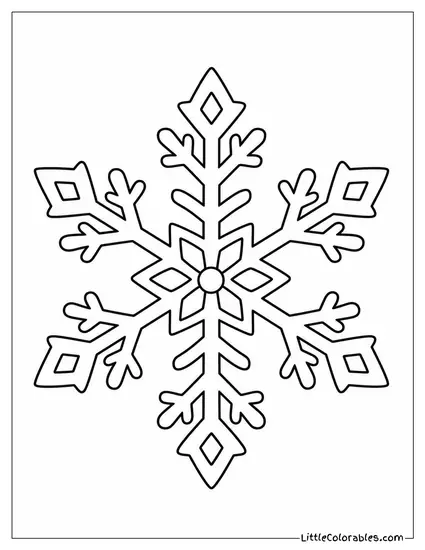
I love how those lacy little ice crystals make this snowflake look like it belongs on a winter fairy’s window. I’d keep a sharp blue pencil handy for the tiny details, but a rainbow snowflake would be awfully fun too!
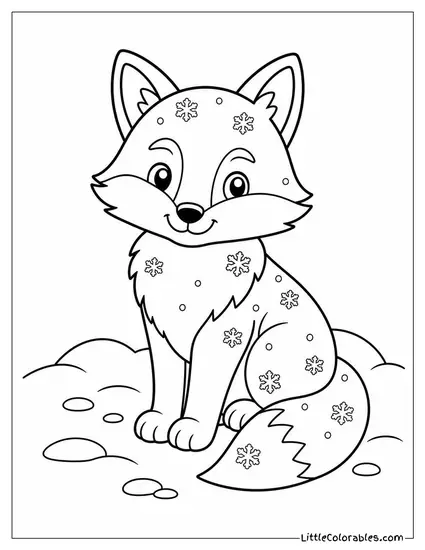
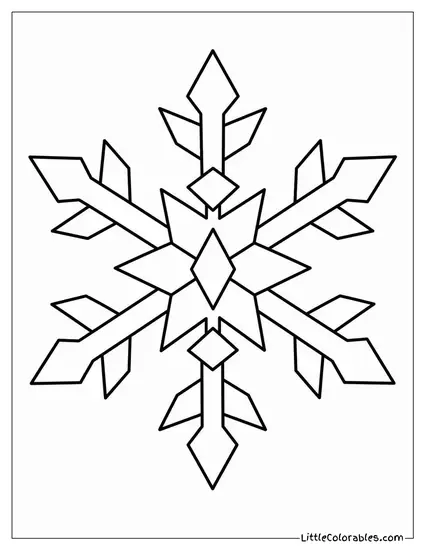
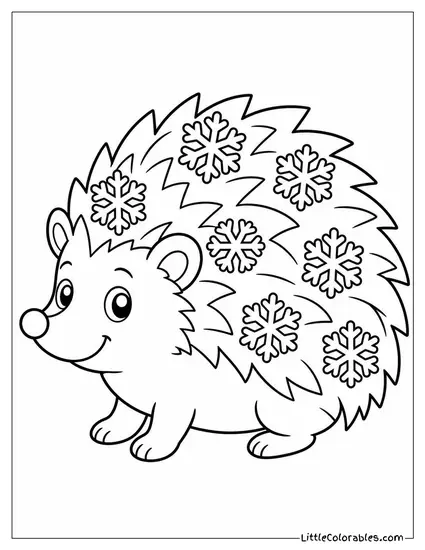
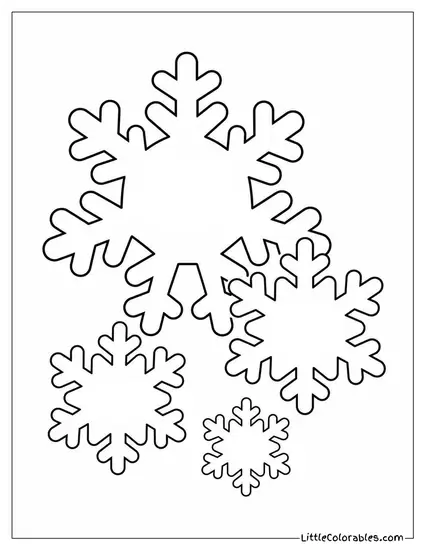
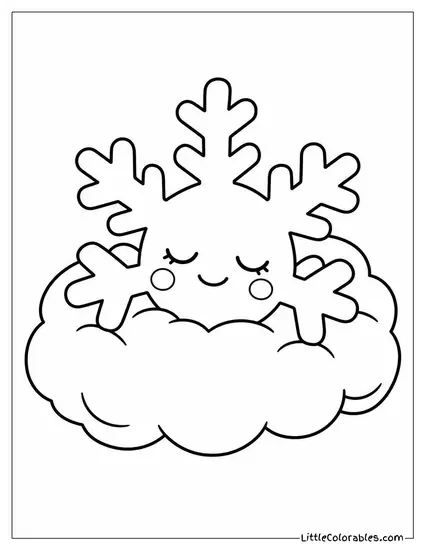
I think those rosy cheeks make this little snowflake look like it’s just come inside for a mug of cocoa. I’d try soft blue for the frosty bits and save a bright pink pencil for that sweet, smiley face.
These paper snowflakes hanging across the window remind me of those happy afternoons when the floor ended up snowier than the craft table. I’d try frosty blues with a little lavender, but a rainbow garland would be a lovely way to brighten a chilly day.
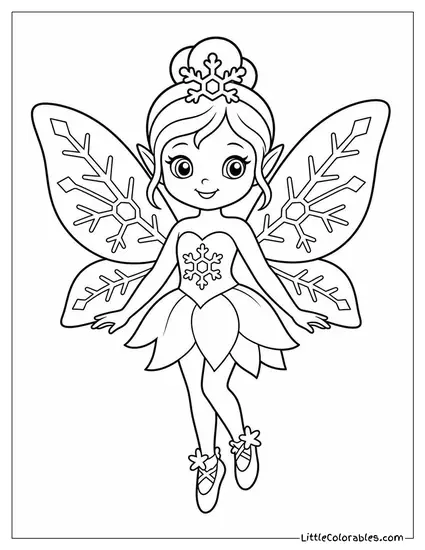
I’d give this little fairy’s frosty wings a dusting of pale blue, with a few pink snowflakes just because magic doesn’t have to follow the weather forecast. This is one I’d happily sit down with too, though I’d probably have to negotiate for the sparkly crayons first.
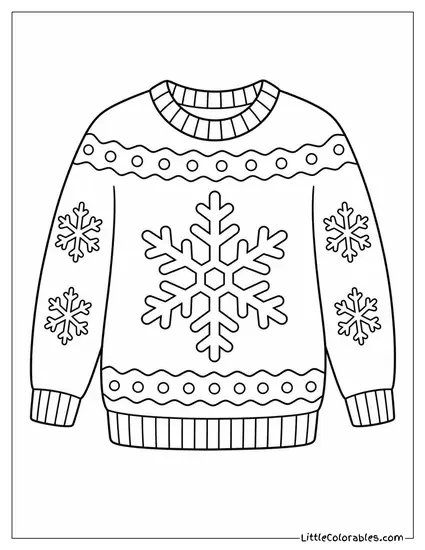
I love how the little snowflakes make this sweater feel cozy before anyone even picks up a crayon. I’d try a frosty blue with rainbow cuffs, because winter clothes don’t always have to be sensible!
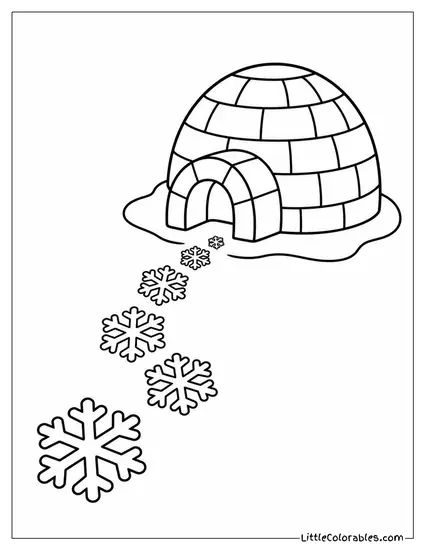
I love how those little snowflakes make a path to the igloo. It’s like a winter treasure hunt with a cozy hideaway at the end. I’d leave a few flakes snowy white and let the kids dream up who might be waiting inside!
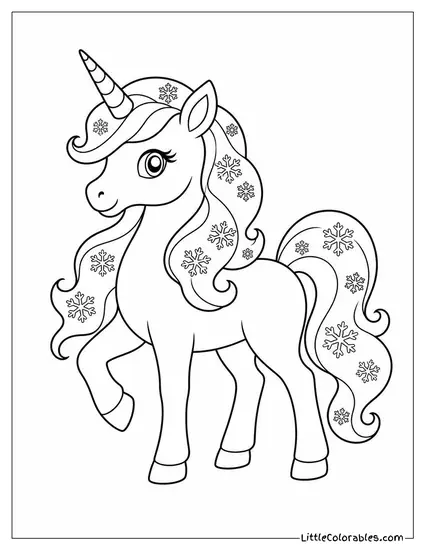
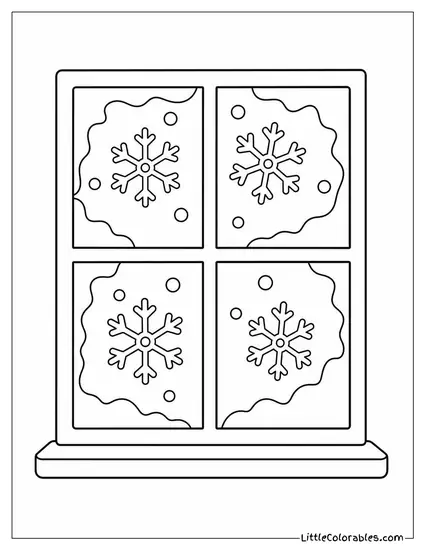
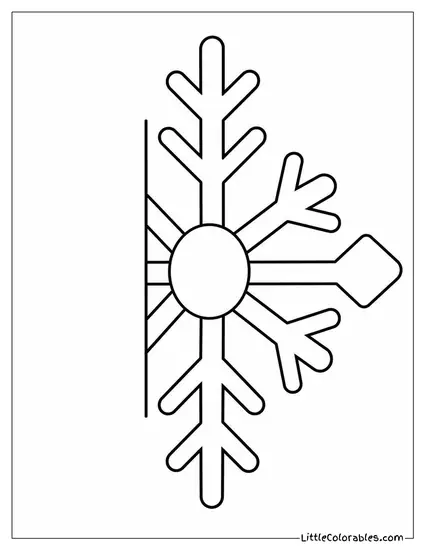
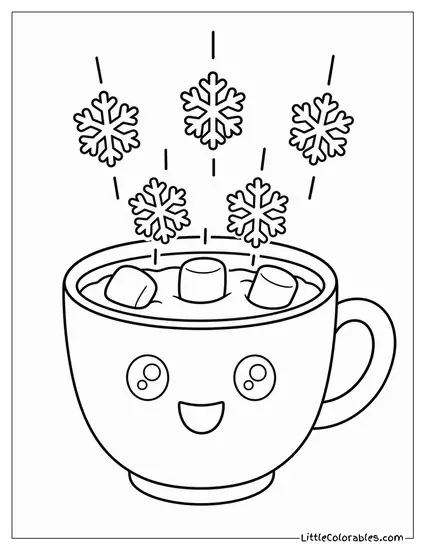
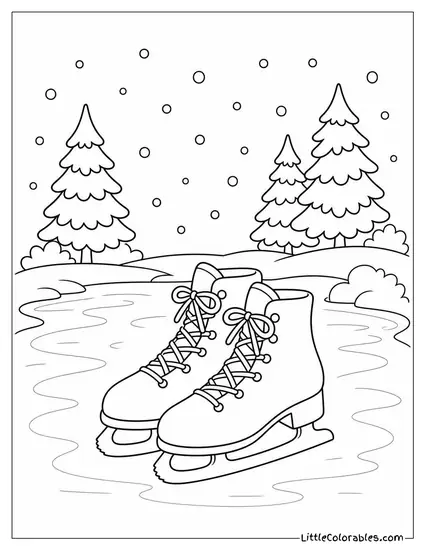
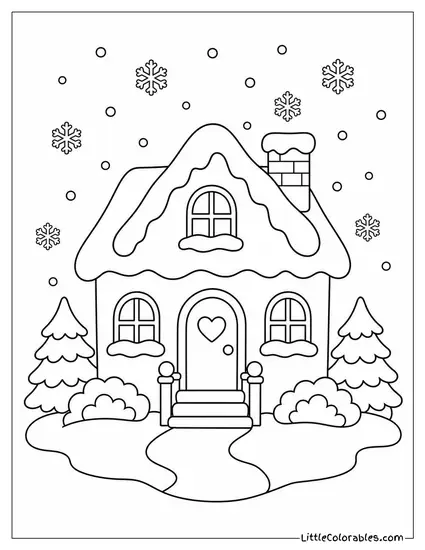
This little snowy house makes me want to put the kettle on and hunt down everyone’s missing mittens. I’d give the windows a warm yellow glow and let the children choose whether those tumbling snowflakes stay white or turn into a rainbow flurry.
Did you love these snowflake pages?
Winter Collections
Snowflake Coloring Pages Highlights
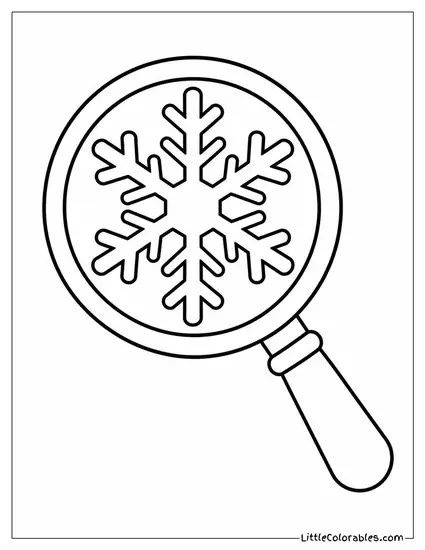
Magnifying Glass Showing a Snowflake
Here’s a science lesson hiding in plain sight. One snowflake sits blown up inside a fat magnifying lens, with the handle poking out toward the bottom right corner. Every branch on that flake sprouts its own little side branches, so there’s real detail to chew on.
Hand this to a curious first or second grader during a weather unit. Pair it with a real hand lens and a dark mitten on a snowy morning, then let them compare.
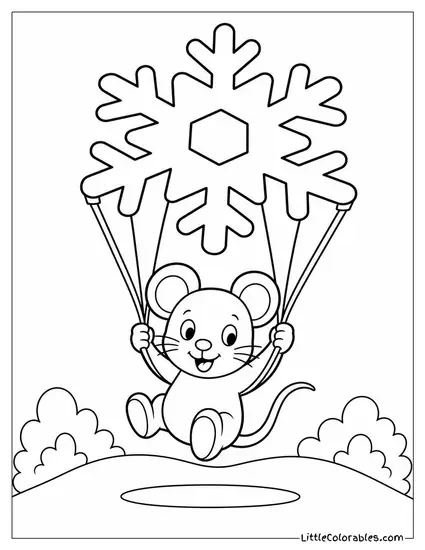
Mouse with a Snowflake Parachute
A small mouse dangles from strings tied to a big snowflake that’s doing the job of a parachute. He’s grinning, paws up on the cords, tail curling out behind him. Below, the ground waits with a couple of puffy bushes and a flat oval shadow marking where he’ll land.
That shadow is my favorite bit, if I’m allowed one, because it tells a whole story without a single word. Preschoolers get it right away (he’s almost down!). Simple shapes, wide canopy, easy for little hands.
Owl with Snowflake Feathers
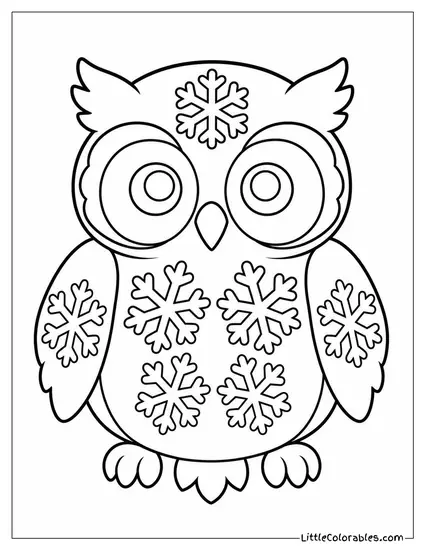
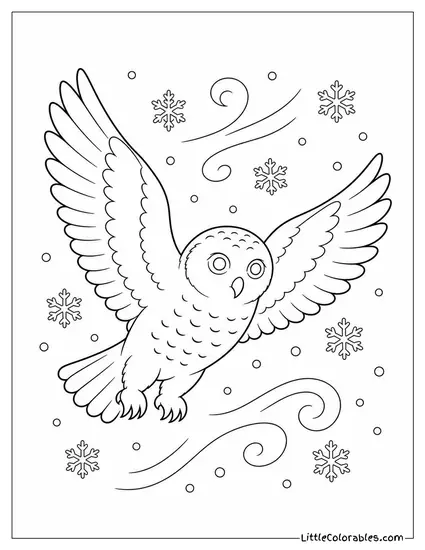
This owl stares straight out with enormous round eyes and two pointy ear tufts. Snowflakes cover its chest and wings instead of ordinary feathers, with one more tucked on its forehead.
Big outline, lots of small flakes to fill. Kindergarteners who still like a chunky shape but are starting to crave detail will get along with it fine, and a row of these would brighten a classroom bulletin board.
Paper Snowflake Garland Across a Window
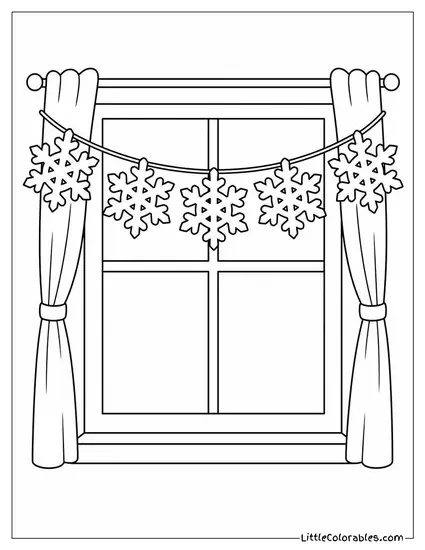
A string of paper snowflakes swoops across the top of a window, with curtains gathered back on either side. Nothing sits in the panes, so the garland is the whole show.
Think of it as a craft afternoon minus the scraps. Tape the finished sheet to a window that faces the street and see whether the mail carrier notices.
Snowflake Fairy with Frosty Wings
Hair up in a bun, a snowflake tiara on top, wings patterned with frosty flakes . . . this fairy is clearly in charge of winter. She floats with her arms out, in a skirt of pointed petals with another snowflake on the front of her dress. Even her slippers are laced.
Fairy fans will grab this before anything else in the set. Her face is big and sweet enough for a four-year-old, though those wing patterns reward a slower hand.
Snowflake Spinning Like a Top
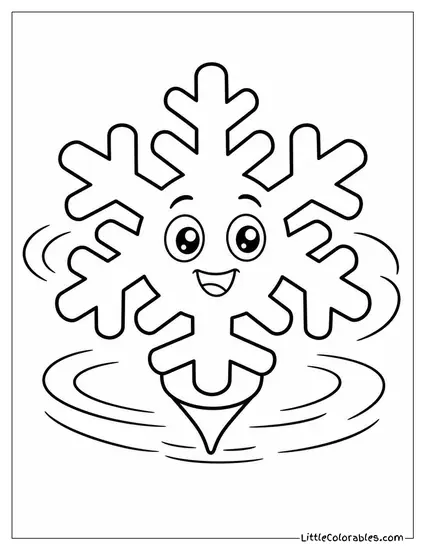
A smiling snowflake balances on one point and spins, swirly motion lines wrapped around it and little rings rippling out on the ground below. It reminds me of a figure skater in a scratch spin, arms pulled tight, faster and faster until she’s a blur.
If you’re hunting for cute snowflake coloring pages, start here, because the lines are thick and the grin does half the work. Sam took one look and decided it was a drill boring down to the dinosaurs. Which… sure, why not.
Snowflake with a Hidden Cat Face
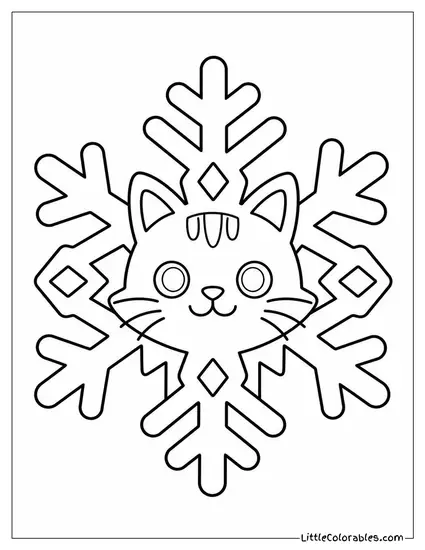
Look closely at the middle of this flake. A cat face peeks out from the center, ears up, whiskers out, a few little stripes across its forehead. Bold, simple arms surround it.
Call it a two-for-one page. Cat people spot the face instantly, everybody else gets a sturdy snowflake, and nobody has to choose.
Snowflake with a Tiny Winter Village
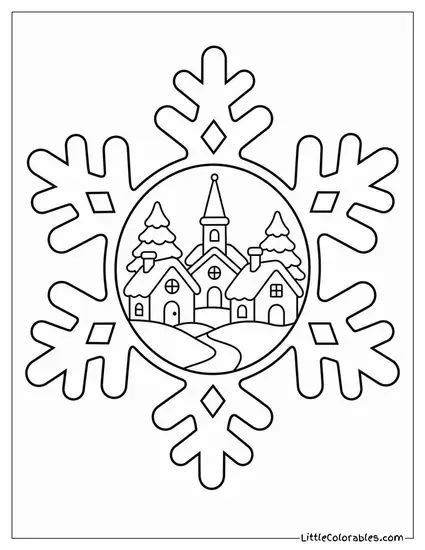
Right in the center of this snowflake sits a round little window into a village. There’s a church with a pointed steeple, a few houses, some trees and a path winding through the middle of it all.
Small scene, giant flake around it. Kids around eight or nine who like small spaces will love it, and it makes a calm page for a December class party when everyone’s wound up.
8 Tips for Coloring Snowflakes
Borrow Wilson Bentley’s Black Background
In 1885 a Vermont farmer named Wilson Bentley became the first person to photograph a single snowflake, and he kept at it for about 46 years. He caught flakes on a black board and later scraped away the area around each one on his glass negatives, so every crystal printed white against near-black.
Try his trick inside the magnifying glass by coloring the lens background dark navy, pencil pressed hard, while the snowflake stays bare paper. Going around every branch takes patience, but the flake ends up looking lit from inside.
Sort the No-Two-Alike Page by Temperature
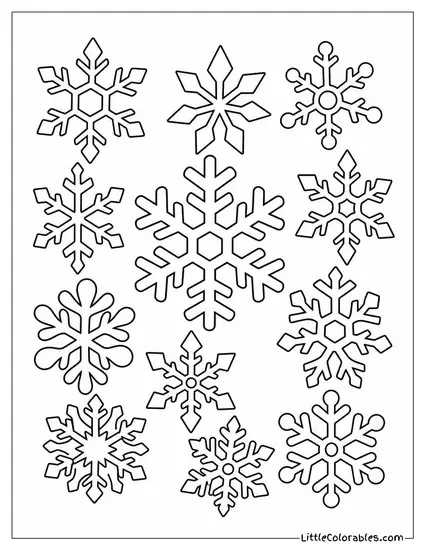
A Japanese physicist, Ukichiro Nakaya, grew the first artificial snow crystals in 1936 and found that their shape depends on how cold and damp the air is. Flat plates form just below freezing, while feathery branching ones (dendrites, from the Greek word for tree) show up near 5°F.
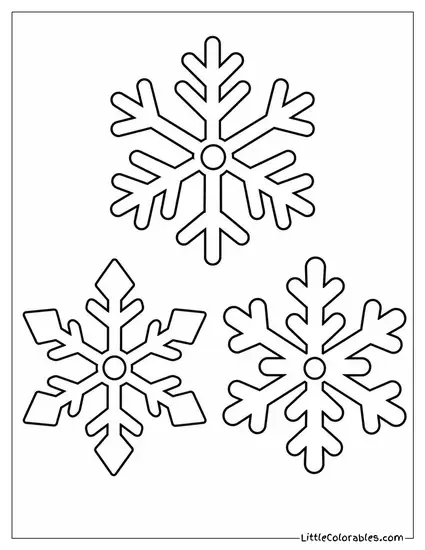
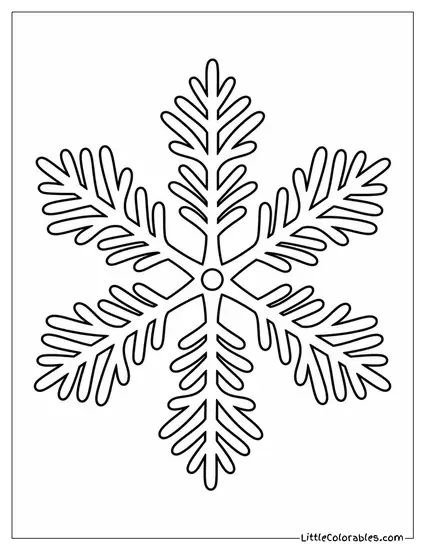
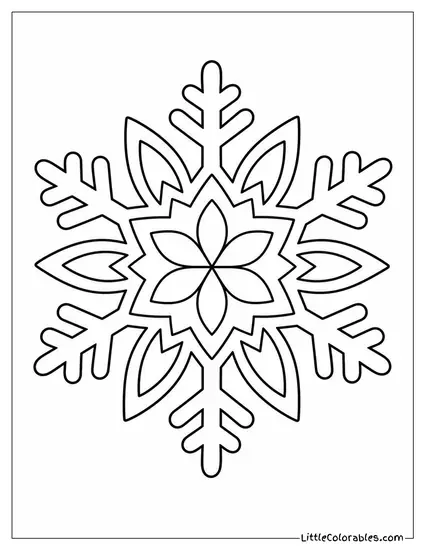
Split the page full of different snowflakes into chunky ones and branchy ones before you pick up a crayon. Lilac for the chunky group and icy blue for the branchy group turns the sheet into a tiny weather report.
Match the Owl’s Eyes to Its Hunting Hours
Birders pass around a rule of thumb that owl eye color hints at when the bird hunts, yellow for daytime, orange for dusk and dark brown for deep night. It isn’t airtight, plenty of owls break it, but it gives kids a reason to choose.
On the owl with snowflake feathers, pick an hour first and fill those big ringed eyes to match. Dark brown eyes with a deep blue-gray body make a proper night owl, and the white flakes on its chest will stand out sharply.
Fade the Garland Like Real Construction Paper
Anyone who has taught school knows what a sunny window does to construction paper over a few weeks. Red drifts to pink, blue goes grayish, and by February the whole garland looks tired.
Go paler on the flakes in the middle of the window and a bit stronger near the curtains, since the fabric would shade them. While you’re at it, count the arms on each paper flake, because real snowflakes have six and most of us fold ours into eighths.
Turn the Spinning Snowflake into a Color Experiment
Back in 1894 a British toymaker named Charles Benham sold a black and white top that made people see faint colors that weren’t really there. Spin colors that are there, though, and they blend into something you might not expect.
Alternate yellow and blue on the arms of the spinning snowflake, then ask your kid what a real top painted that way would show mid-spin. Most guess green, but spinning light mixes differently from crayon wax, and yellow and blue blur toward a pale gray.
Make the Hidden Cat a Lynx Point Siamese
Siamese cats carry a heat-sensitive gene that darkens fur on the coolest parts of the body, so ears, nose and tail come in dark while the warm middle stays cream. Kittens are born nearly white, and cats living somewhere chilly often darken over the years.
The cat in the snowflake already has stripes on its forehead, which is just what a lynx point (a Siamese with tabby markings) looks like. Color the face cream, the ears and nose seal brown and the stripes a medium brown, so the cat looks built for the cold it’s hiding in.
Dress the Fairy as a Snowdrop
Snowdrops are among the first flowers to push up through snow, sometimes as early as January. Their outer petals are pure white, and the short inner ones carry a small green mark near the tip.
Pointed petals already form her skirt, so leave them white and add a tiny green upside-down V near the tip of each one. Pale green on her laced slippers ties it together, and suddenly she’s a late-winter fairy with a flower to her name.
Finish One Wedge of the Mandala First
All six arms of a real snowflake grow at the same moment through the same air, so whatever happens to one happens to the rest. A lopsided crystal usually means it got bumped or broke on the way down.
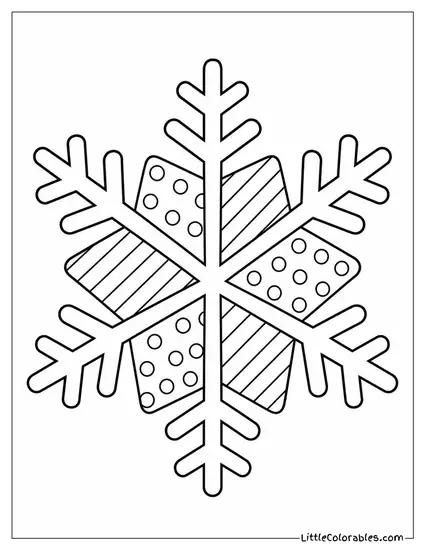
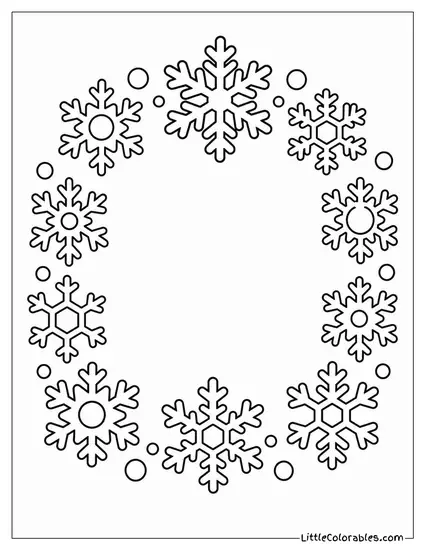
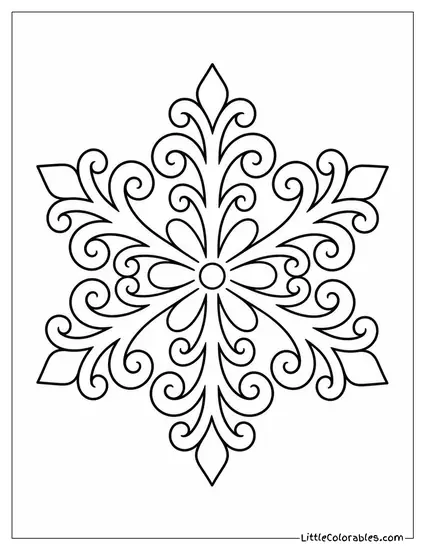
Treat the mandala with layered patterns the same way and complete one full wedge from center to tip before starting the next. It’s the coloring page of a snowflake in this set where a plan really pays off, since copying a finished wedge around the flake beats inventing as you go.