


Back when I taught second grade, we taped a chart to the classroom window every February with two columns, one for snow days and one for signs of spring. Snow won every year, usually by a mile.
These February coloring pages hold both columns, from a moose standing in a whiteout to a tiny flower bud sneaking up through the slush a few weeks early. Print whichever side of the chart your kitchen window is on this morning.
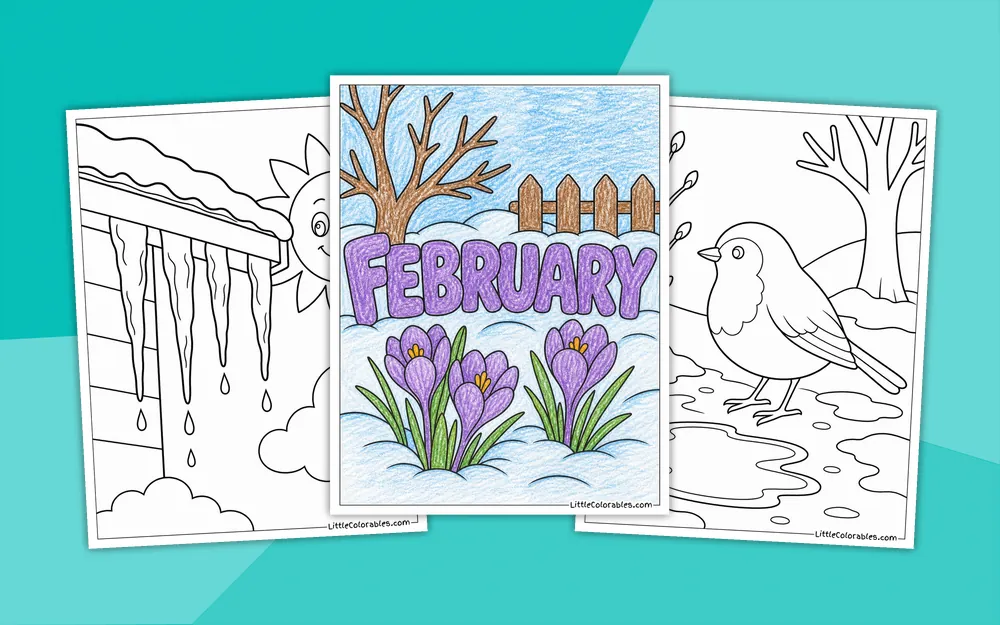 ↓ Scroll to the free printable pages
Our whole collection wait below, and they don’t all suit the same kid. A chunky snowflake built for preschool fists sits two spots away from a mandala that could swallow a whole snow day.
I wanted coloring pages for February that feel like the real month, slushy, gray and a tiny bit hopeful.
Featured February Coloring Pages

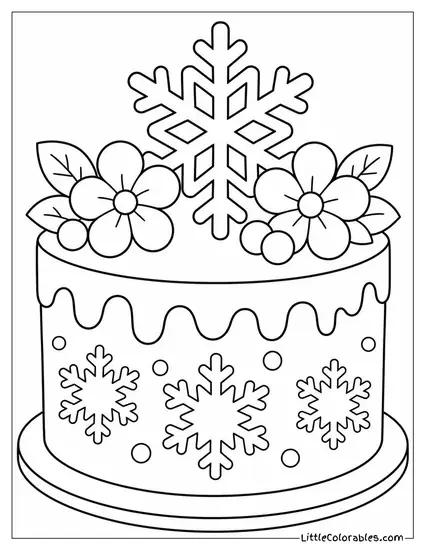
I love how the snowflakes and flowers share the frosting on this February birthday cake, as if winter invited spring to the party. I’d try icy blue snowflakes and rosy pink petals, though I suspect the little ones will have much bolder plans for that icing!
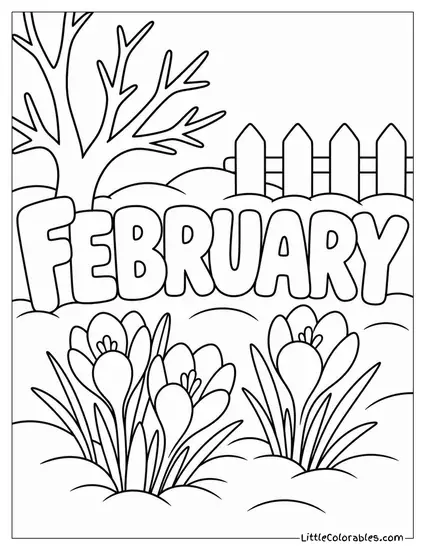
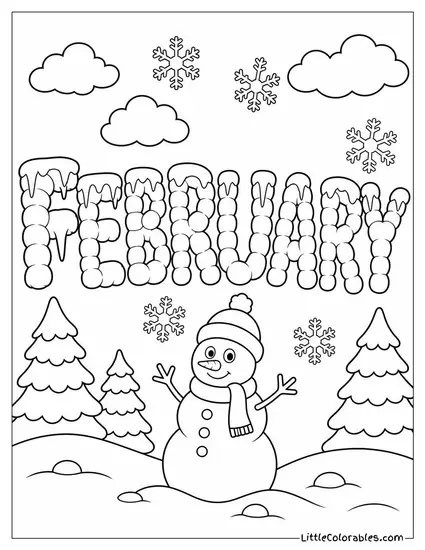
I love how those little crocuses peek through the snow beneath the February lettering, as if they’re checking whether spring is here yet. I’d reach for purple and yellow for the flowers, then let the kids give each letter its own cheerful color.
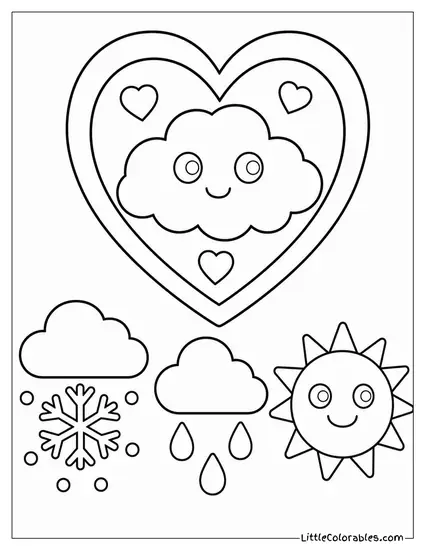
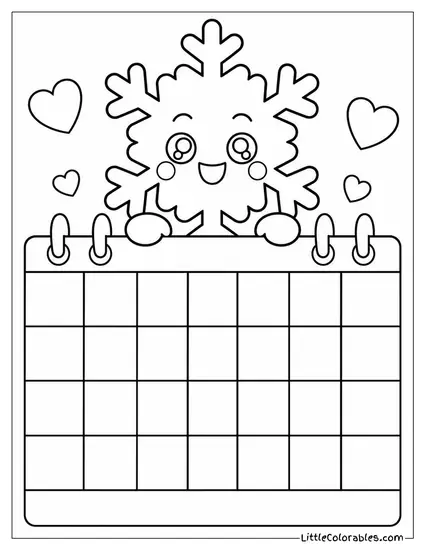
February never seems to make up its mind, so I love that this little weather chart has snow, rain, and sunshine ready for whatever turns up outside. I’d keep it by the window with a few crayons and let the kids play weather reporter each morning!

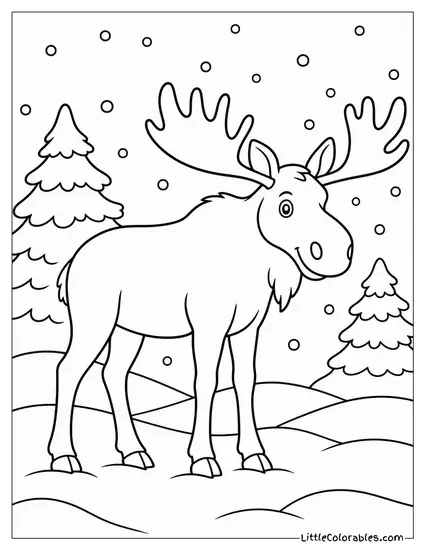
I think this moose has the right idea for a snowy February day. Wear your thickest coat and let the snowflakes decorate your antlers! I’d leave a few little patches white for fresh snow, then see who can dream up the coziest colors for the winter sky.

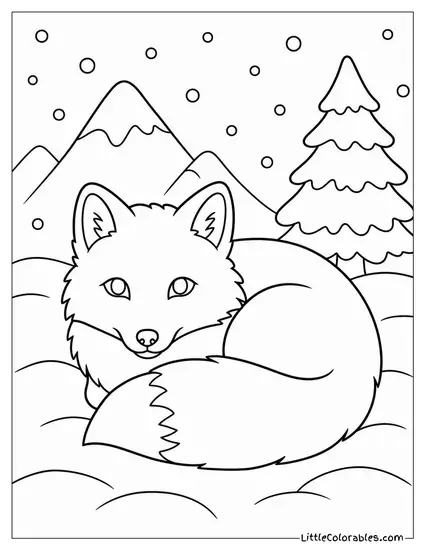
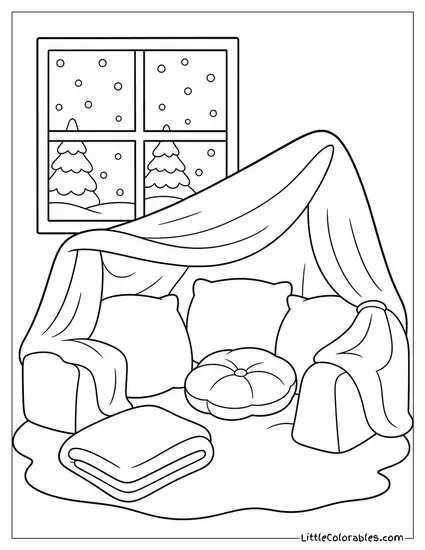
I’d give this blanket fort the brightest pillows in the house. February can keep its snowy grays outside! The only thing missing is a snack stash, because getting cozy is hungry work.
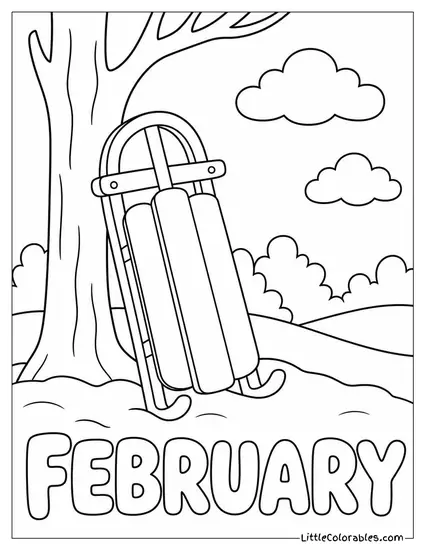
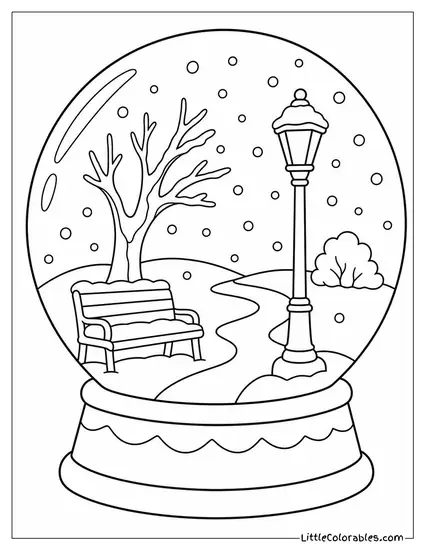
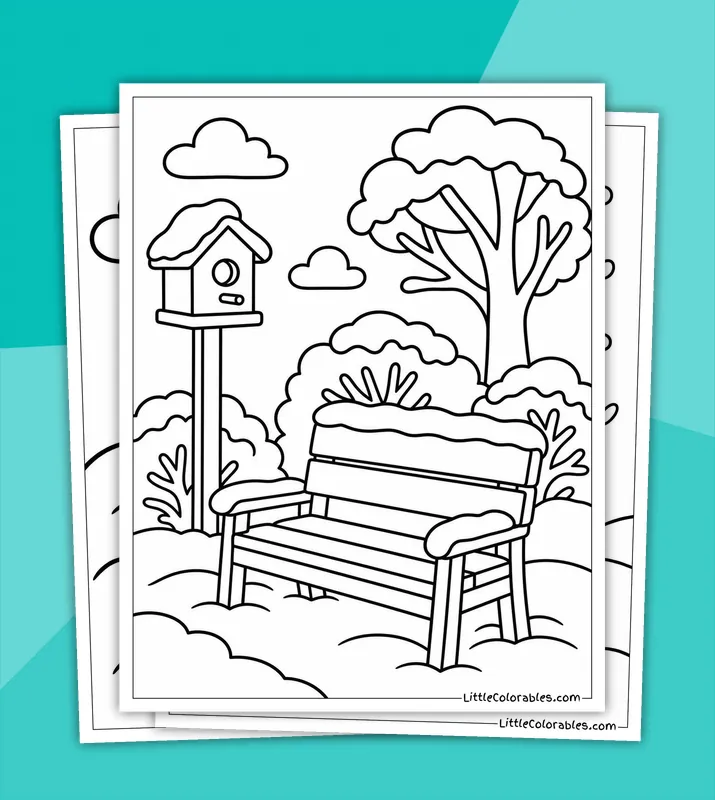
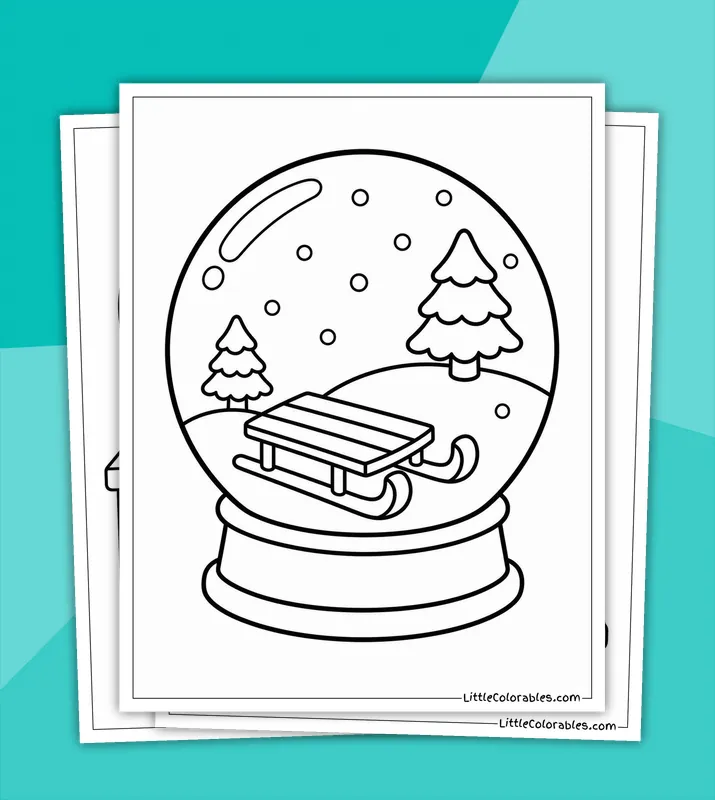
I’d give this little February park a soft blue sky and plenty of untouched white snow, all tucked inside its glass globe. There’s something lovely about a winter walk that doesn’t require hunting down six missing mittens!
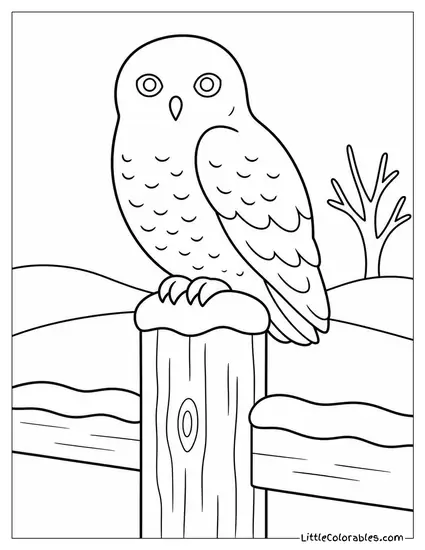
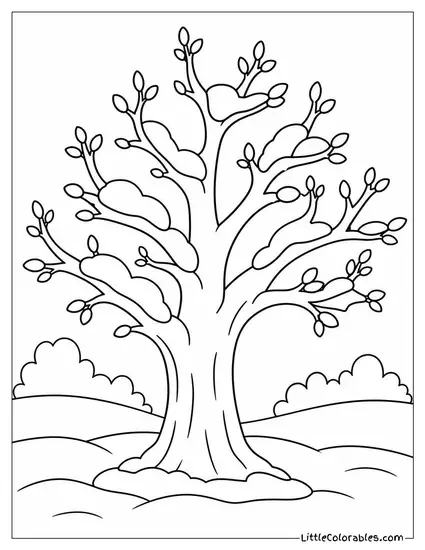

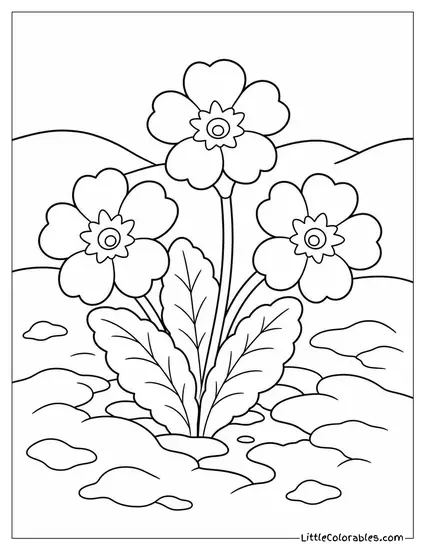
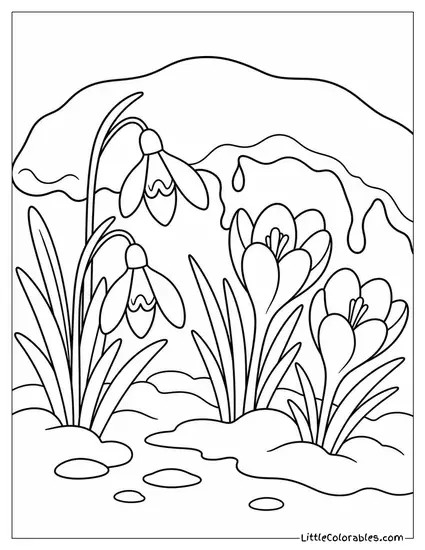
These little primroses peeking through the melting snow look like they’ve decided spring has kept them waiting long enough. I’d reach for buttery yellows and soft pinks, with just a whisper of blue on the snow to keep that chilly feeling.
Did you love these February pages?
Winter Collections
February Coloring Pages Highlights
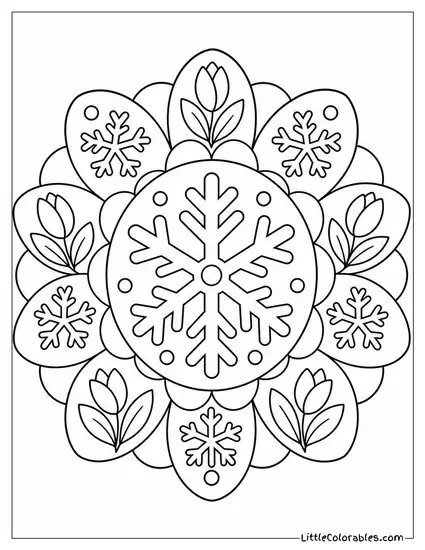
Mandala With Snowflakes and Early Buds
Here’s the page for the kid who wants something to sink into. A big snowflake sits dead center, and around it run rings of smaller snowflakes tucked inside ovals, with little tulip-shaped buds and leaves pushing up between them.
It’s winter in the middle and spring creeping in at the edges, which is February in one circle. If you came looking for February coloring pages printable for a grown-up’s quiet evening, start here. Fine-tip markers love all those small spaces.
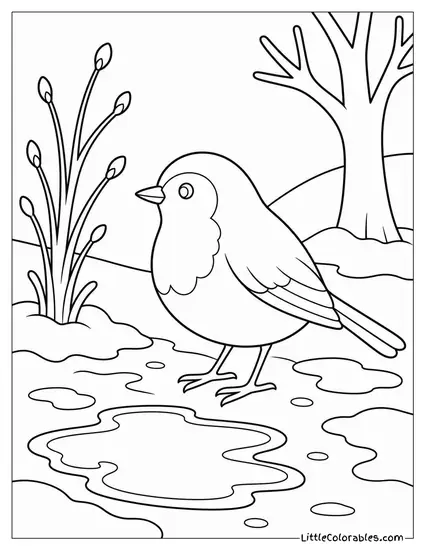
Nature Page With Melting Snow and a Robin
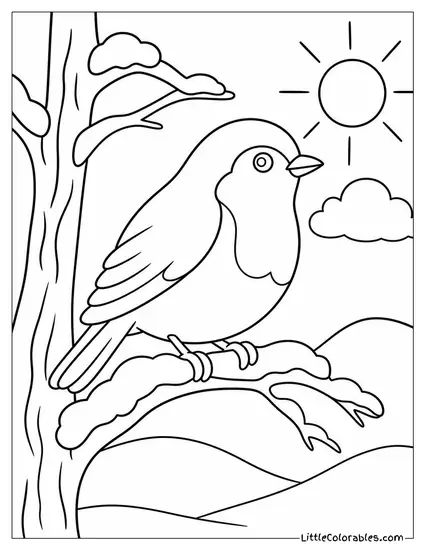
What does late February actually look like? This, mostly. A plump robin stands on a crusty patch of snow beside a big puddle, with a bare tree on one side and tall budding stalks on the other.
I love it for science corners and nature journals. Kids can point out every sign that winter is losing its grip, the shrinking snow, the open water, the bird. Good for ages six and up.
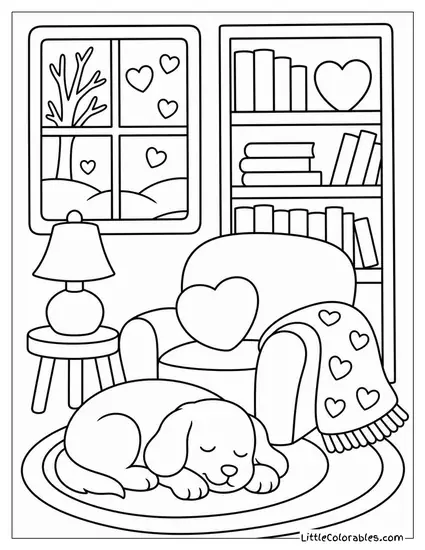
Reading Nook With Books, a Lamp and a Sleeping Dog
A puppy is out cold on a round rug in front of an armchair. Behind him there’s a heart pillow, a blanket covered in little hearts, a packed bookshelf and a lamp on a tiny side table.
Perhaps the coziest page in the whole set. The window has hearts on the glass and snowy branches outside, so it quietly covers Valentine’s week too, without a single red balloon. Leo counted every book on that shelf before he colored a single one, so yes, there are plenty of tiny spines for older kids.
Soup and Bread Lunch by a Frosty Window
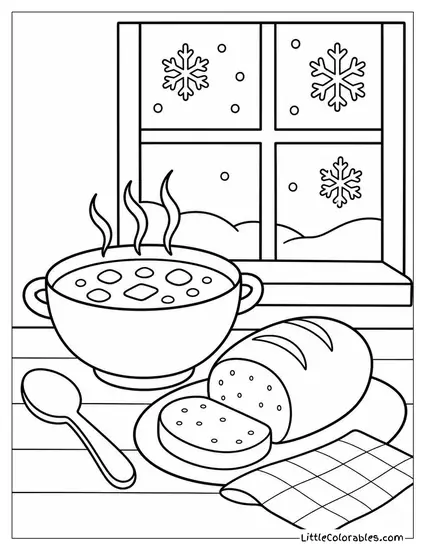
Steam curls up from a bowl of chunky soup. Next to it sit a spoon and a crusty loaf with a few slices already cut, while snowflakes collect in the window panes behind.
No characters at all. That makes it oddly great for kids who get bored of faces . . . they settle into the shapes instead. It also pairs nicely with a real bowl of soup at the table, if you’re that kind of parent on a gray Saturday.
Kawaii Snowflake and Flower Bud Holding Hands
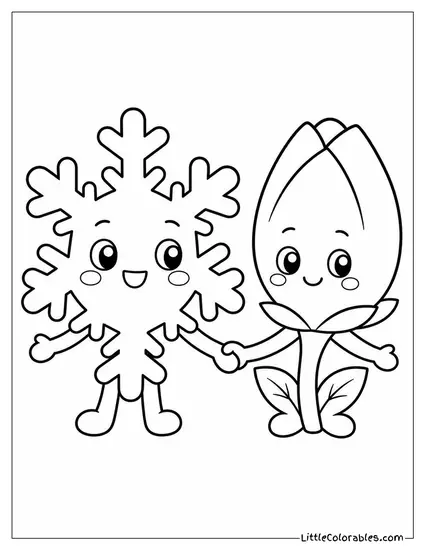
Two friends, one leaving and one arriving. A smiling snowflake on stubby little feet holds hands with a smiling flower bud that has two leaves at its base… sweet.
Of all the cute February coloring pages here, this one gets grabbed first by the four-and-unders. Big shapes, simple faces, and a gentle little chat about seasons changing if you feel like having one.
Moose in a February Snowstorm
Bigger than people expect, a moose. A grown bull can stand around six feet at the shoulder, roughly the height of a pickup truck.
This one shows a full moose, wide antlers and all, standing in falling snow with pine trees behind him. The body is one big open shape and the antlers are fiddly, so siblings around five to nine can split the work however they like.
Seal Pup on the Ice Under a February Sky
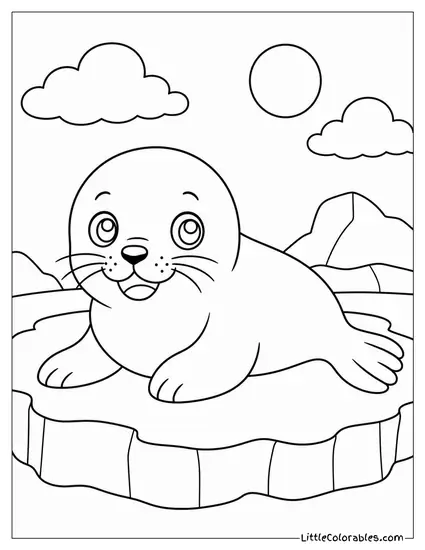
Big round eyes, whiskers, a chubby body flopped across a slab of ice. Add a few clouds, a round sun (or moon, your call) and some faraway icy peaks, and that’s the page.
It’s calm. Toddlers can handle the pup, older kids can fuss over the edges of the ice, and nobody fights over it because, really, who argues next to a seal pup?
Simple Preschool Page With a Big Snowflake
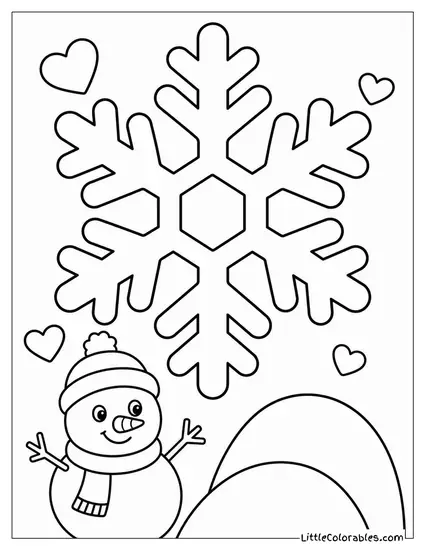
One giant snowflake takes up most of the sheet, with a small snowman in a hat and scarf at the bottom and a few hearts floating around it. That’s all.
For the youngest crowd, these are the February coloring sheets I’d print first. Every space is wide enough for a fat crayon, and the snowman gives them a face to finish with.
8 Tips for Coloring February Scenes
Turn the Tall Stalks Into Pussy Willows
Those budding stalks on the melting snow page look a lot like pussy willows, one of the first plants to wake up in late winter. Color the stems a reddish brown and keep the fuzzy buds a soft silvery gray, pressing so lightly that the paper texture shows through like fur.
The fuzzy bits are called catkins, a name usually traced to an old Dutch word for kitten. A few weeks later real ones push out tiny yellow flowers dusted with pollen, so a kid who can’t wait for spring can turn a couple of buds yellow.
Pick the Seal Pup’s Age Before Picking a Color
Color the pup as a harp seal, since harp seals are born on the sea ice around late February and March. Their fur starts with a faint yellow tint, turns snowy white within days, and a few weeks later sheds to show a silvery coat with dark spots.
Think of it as three costume changes in one short show, so which act is your pup in? A newborn gets a whisper of butter yellow, a week-old pup stays bare white paper, and an older one gets pale gray with scattered charcoal spots.
Moose Antlers Are Running Out of Time
Bull moose drop their antlers in winter and the older bulls usually go first, so one still wearing a full rack in February is probably a younger guy, like the coworker whose cubicle still has the holiday lights up. By now those antlers are bare bone, so color them pale tan or cream instead of matching his body.
For the body, go very dark, almost black-brown, and press hard. Real moose legs are noticeably paler, a grayish tan, which makes him look like he’s wading through the snow on stilts.
Amethyst or Its Yellow Cousin
Amethyst gets its purple from tiny traces of iron plus natural radiation in the rock. Heat it, though, and it turns yellow-orange, and a lot of the citrine sold in shops started life as amethyst that got baked.
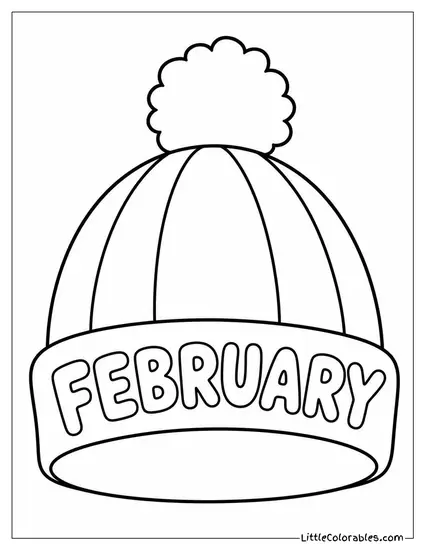
So kids can color the February gem in classic grape purple, or “bake” it in yellow and orange and turn it into November’s birthstone. Keep the fancy frame and the FEBRUARY ribbon in one soft color so the gem stays the star.
Make the Sleeping Puppy a Blenheim Spaniel
The floppy-eared pup in the reading nook makes a sweet Cavalier King Charles spaniel in Blenheim colors, chestnut ears and patches on a white coat. Leave a white stripe running up the middle of the face so the chestnut sits on either side.
Breeders prize a chestnut thumbprint on top of the head called the Blenheim spot. Legend says a duchess pressed her thumb there while waiting for news of a battle in 1704, which is lovely and almost certainly made up.
Bread Crust Dark, Slices Full of Holes
On the soup page, press hard with golden brown on the outside of the loaf, then switch to pale cream for the cut faces of the slices. Dot those slices with tiny tan specks from a sharp pencil point, because real bread is full of air pockets.
The soup itself can be anything, tomato red, squash orange, chicken noodle yellow. I think letting kids pick the flavor first, then color the chunks floating in it to match, makes it feel like their own lunch.
A Crocus Bud for the Snowflake’s Friend
Crocuses are often among the first flowers to poke up through late snow, some years in February in milder places. Color the bud holding the snowflake’s hand purple, then add a few thin darker streaks running from the base to the tip, like real crocus petals.
Keep the snowflake friend very pale, icy blue or plain white, so the purple pops right next to it. Saffron, by the way, is the dried red threads of a fall-blooming crocus, and it costs more than nearly anything else in the spice aisle.
Color the Mandala Buds in February’s Birth Flowers
February’s birth flowers are the violet and the primrose, so give the mandala’s buds alternating rounds of violet purple and soft primrose yellow. Leave the snowflakes white or a barely-there blue so the buds look like they’re pushing up through frost.
Of all the color pages February hands you, this is the one worth printing twice, once for practice and once for keeps. Use the same purple as the amethyst page and you’ve got a matching pair for the fridge