


You know that specific ear-piercing roar kids make when they pretend to be extinct reptiles? It vibrates right behind my tired eyes and gives me a headache.
So our amazing team designed a brand new batch of dilophosaurus coloring pages just for you. Finding a perfectly good coloring page of a dilophosaurus shouldn’t be another frustrating chore on your endless list today.
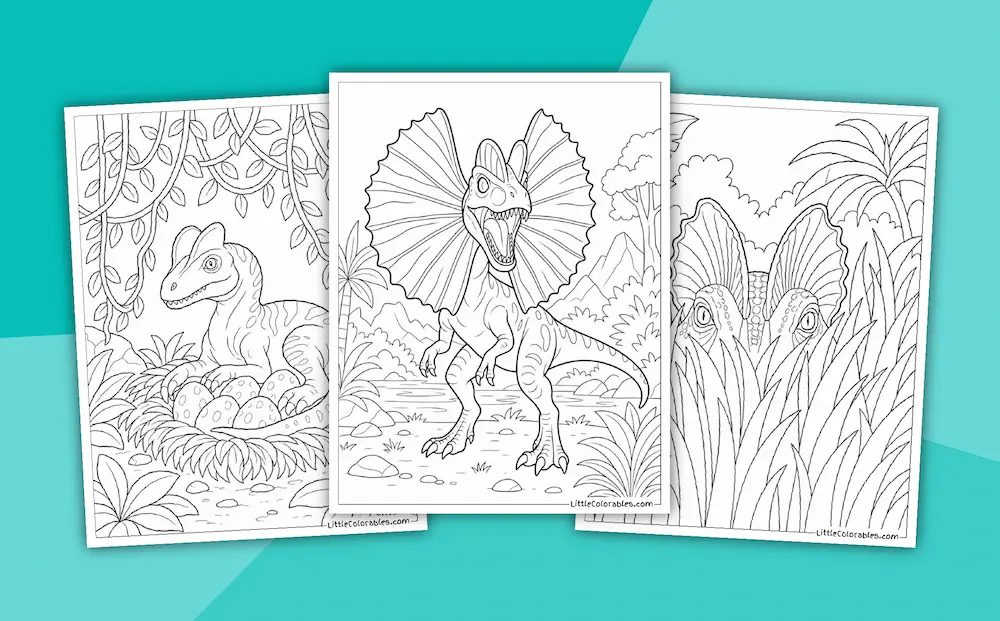
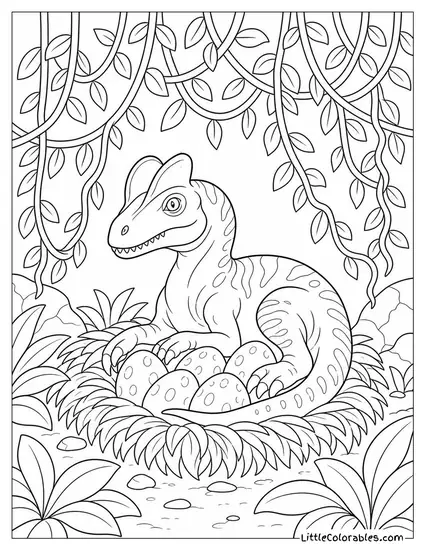
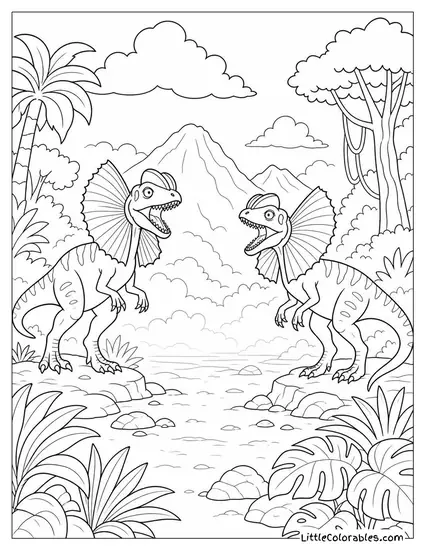
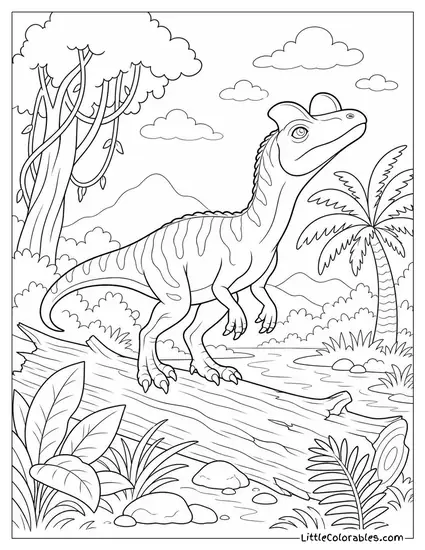
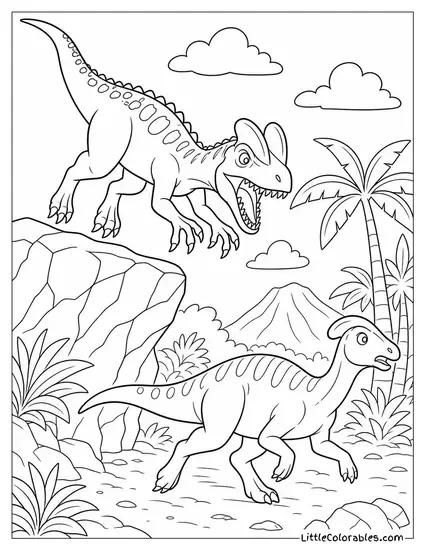
We drew these with enough detail to keep a third grader busy but kept the outlines thick for the little ones. You can see a preview right below.
They are probably going to use up around 7 or 8 of your green markers. That is just how it goes with these things so throw the empty ones away and let them color outside the lines.
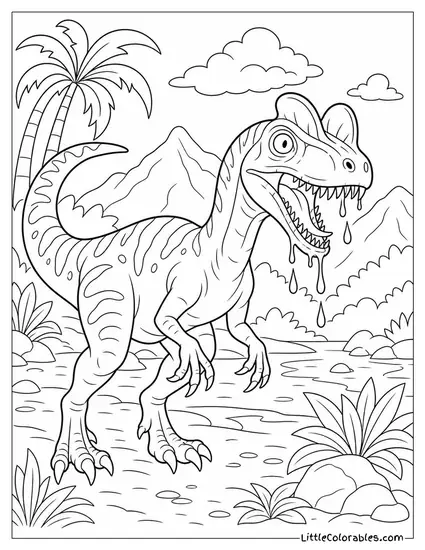
Featured Dilophosaurus Coloring Pages
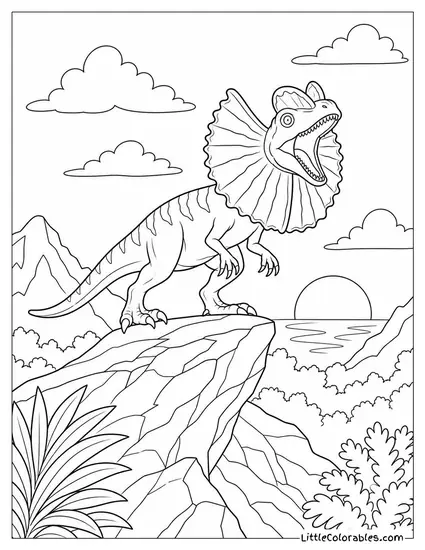
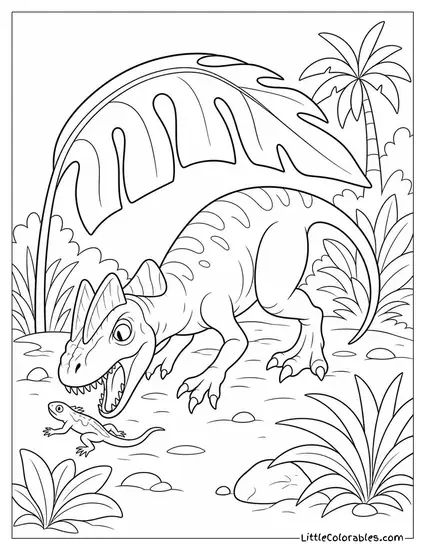
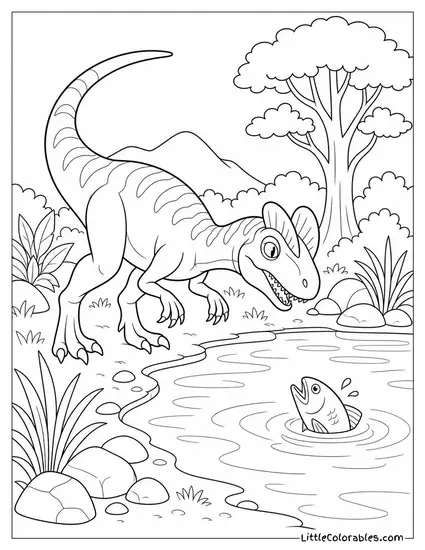
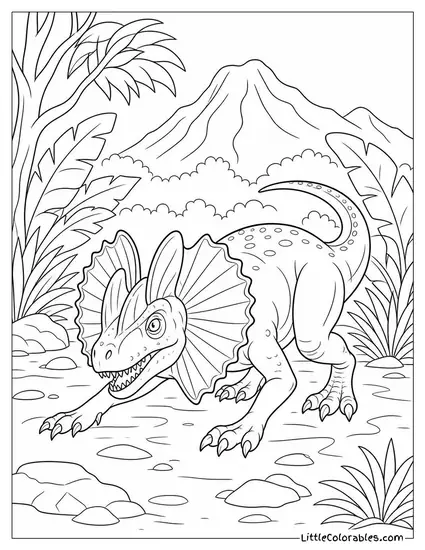
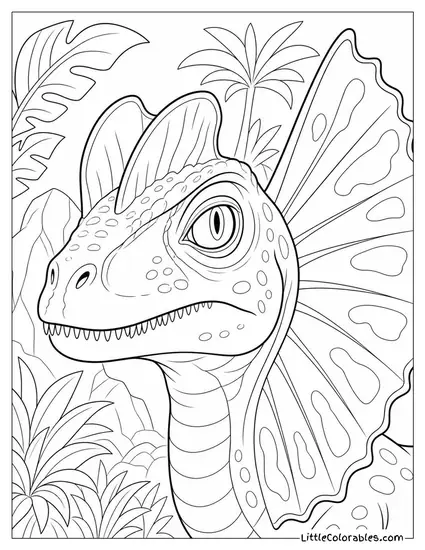
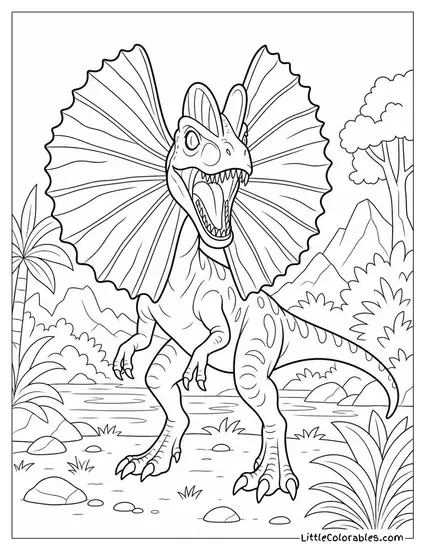
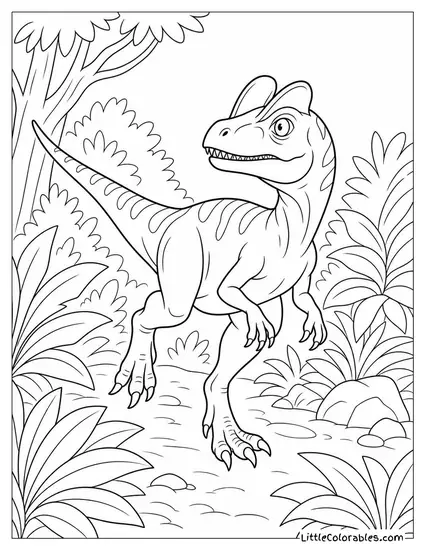
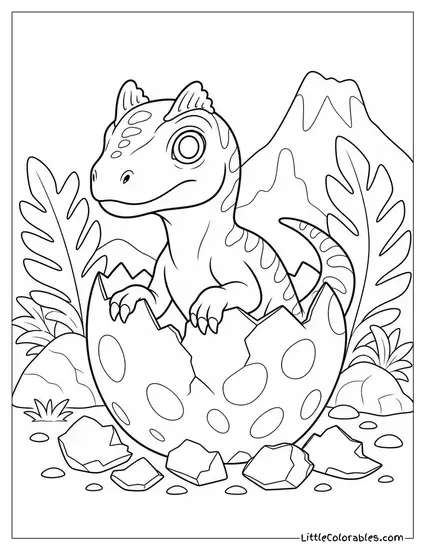
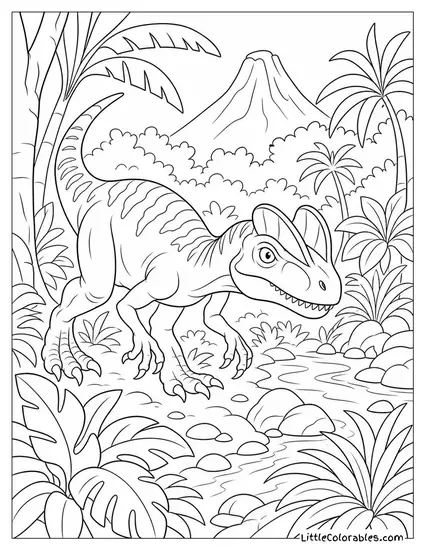
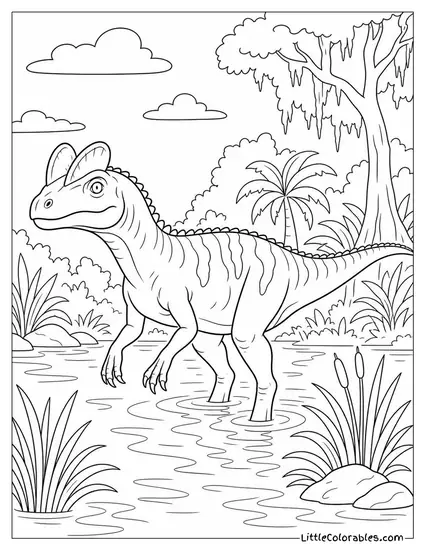
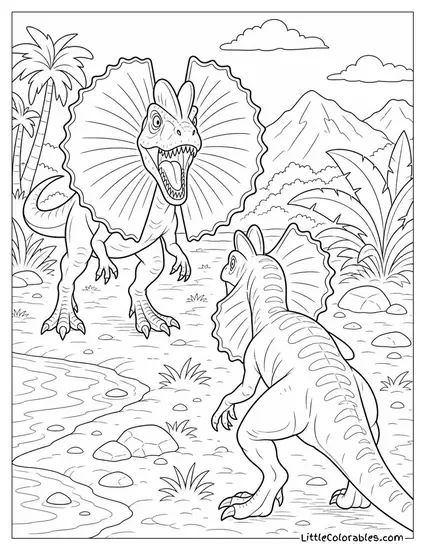
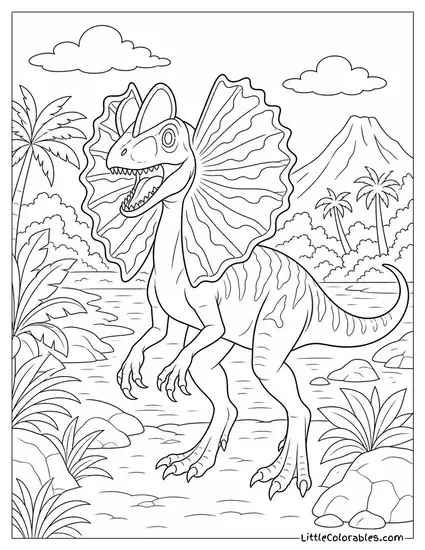
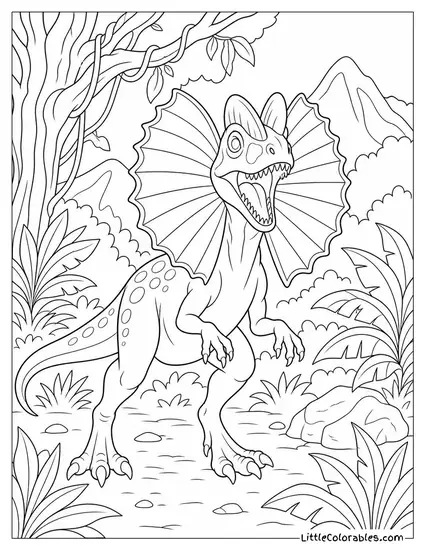
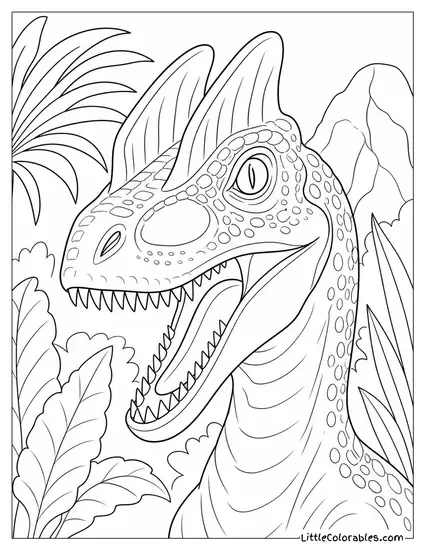
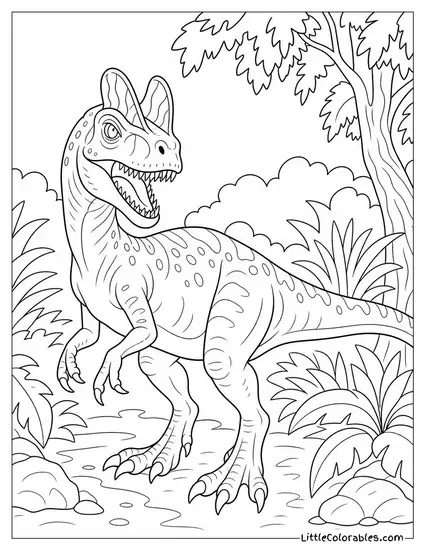
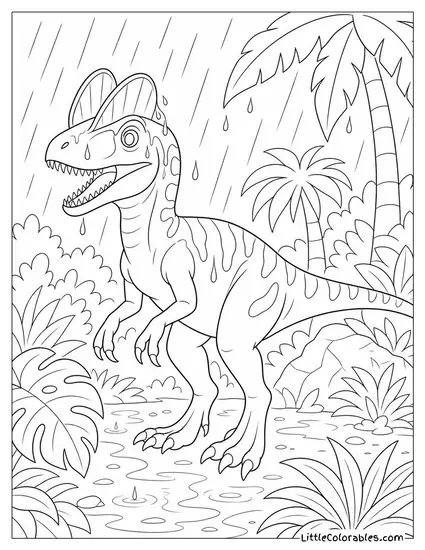
Browse Other Dinosaurs
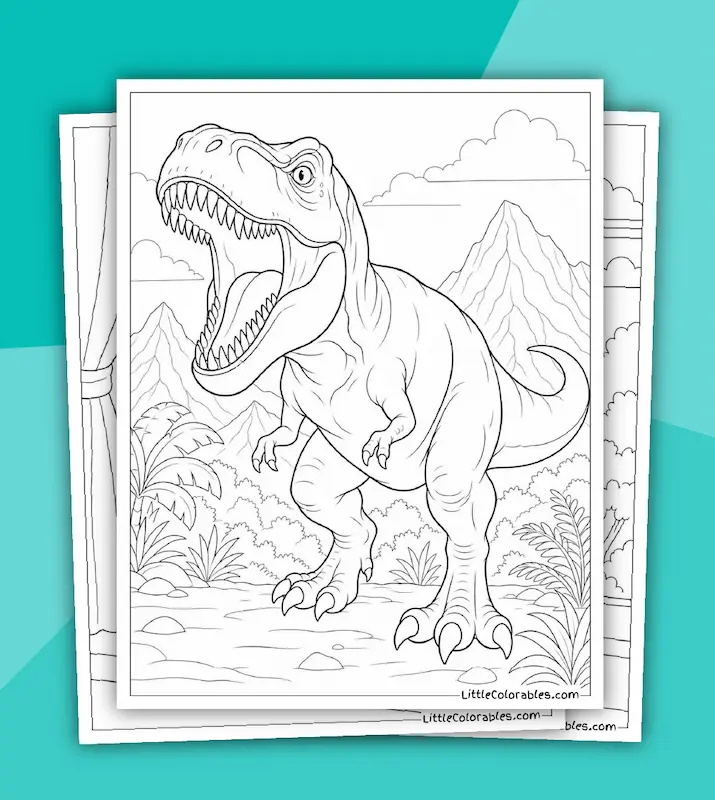
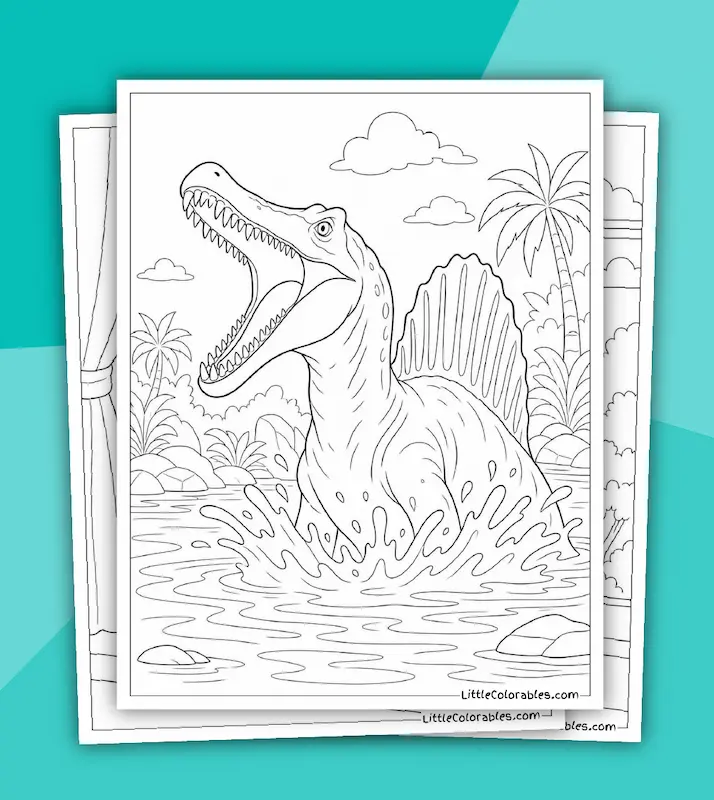
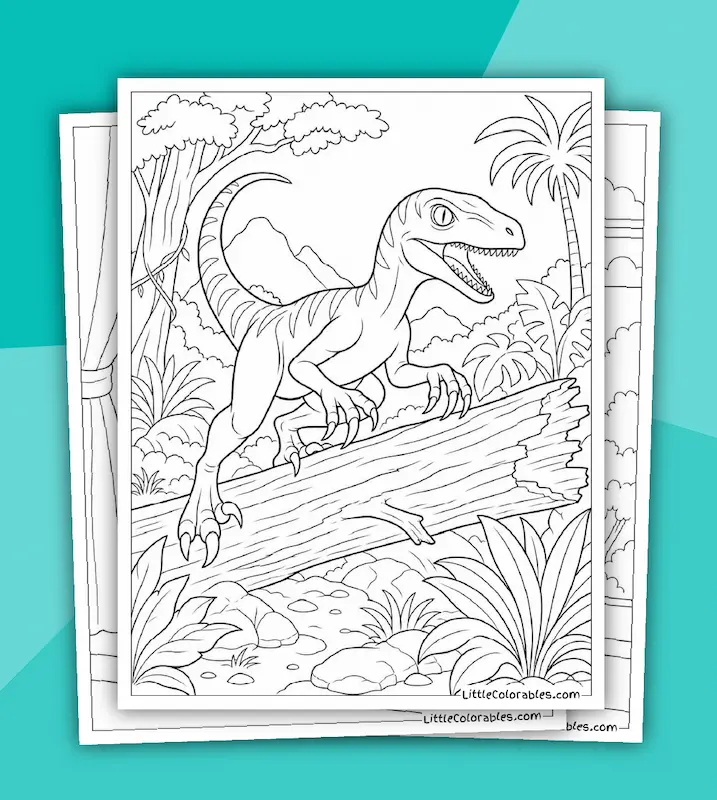
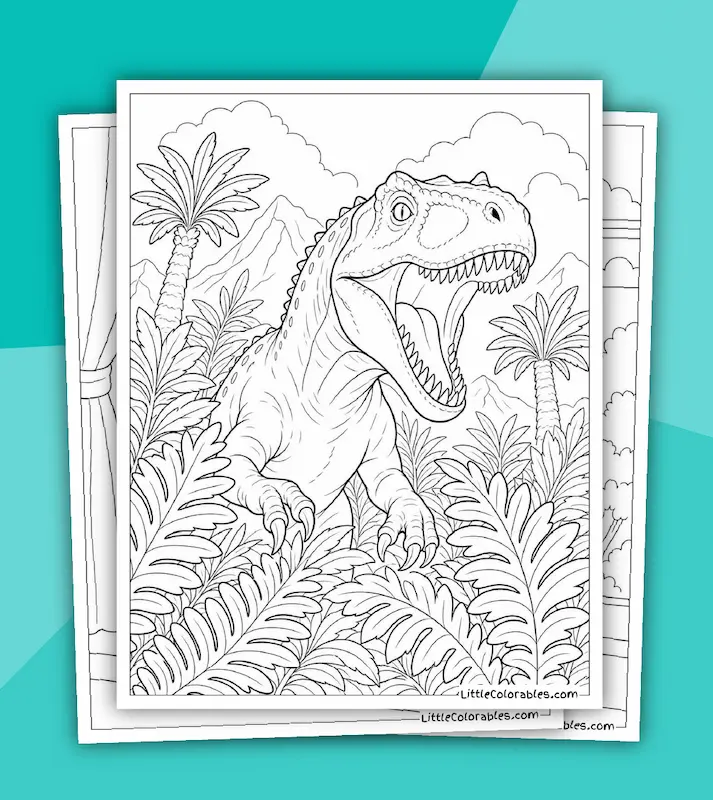
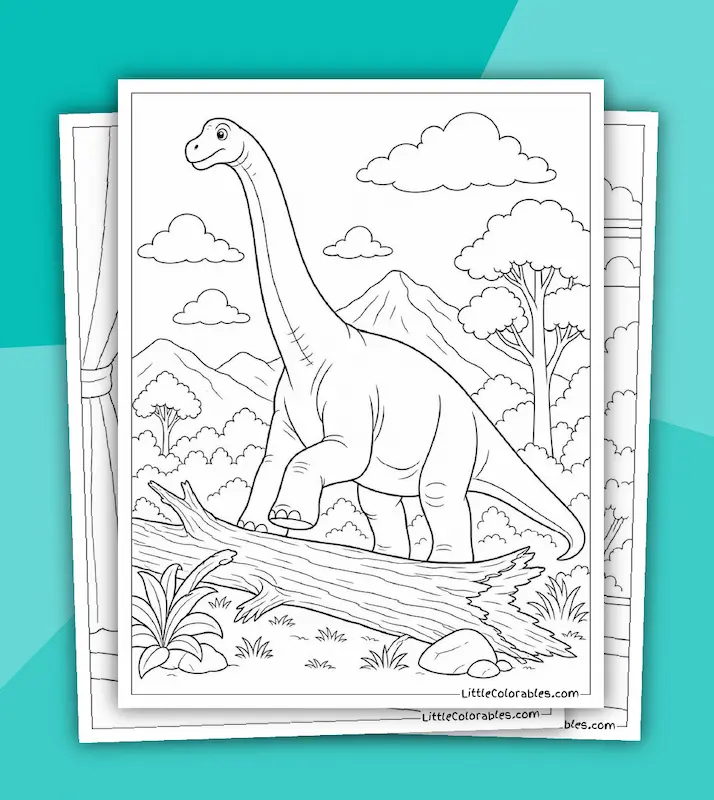
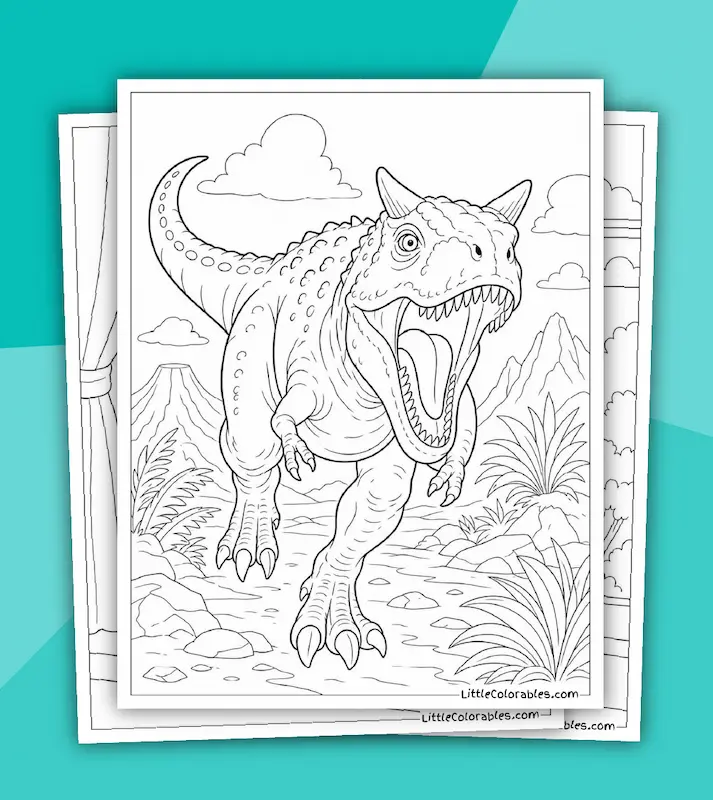
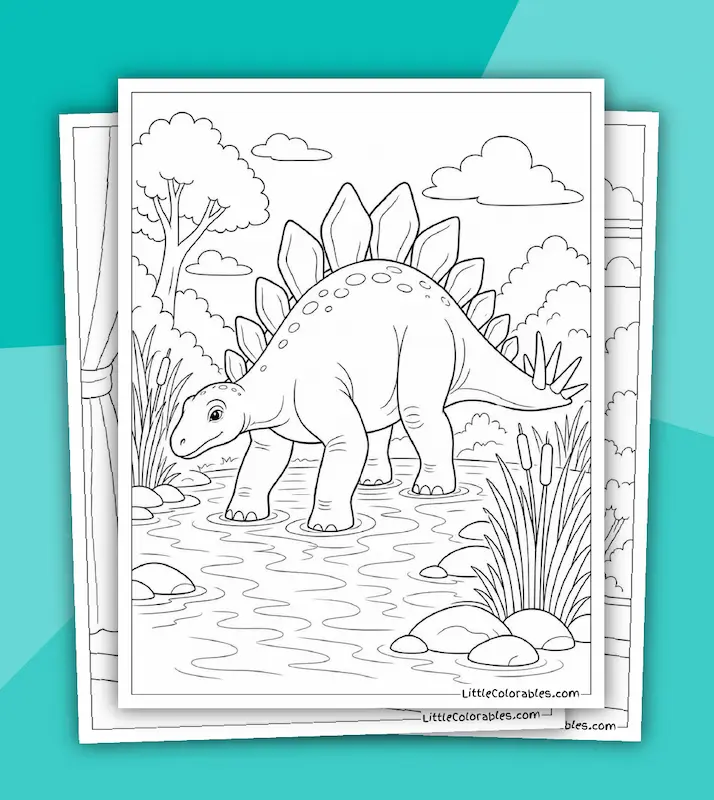
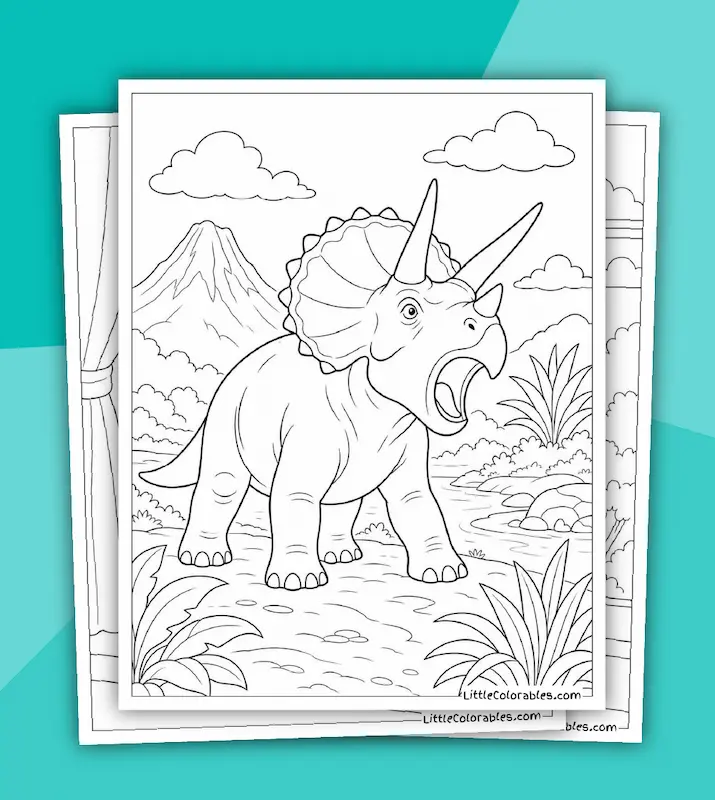
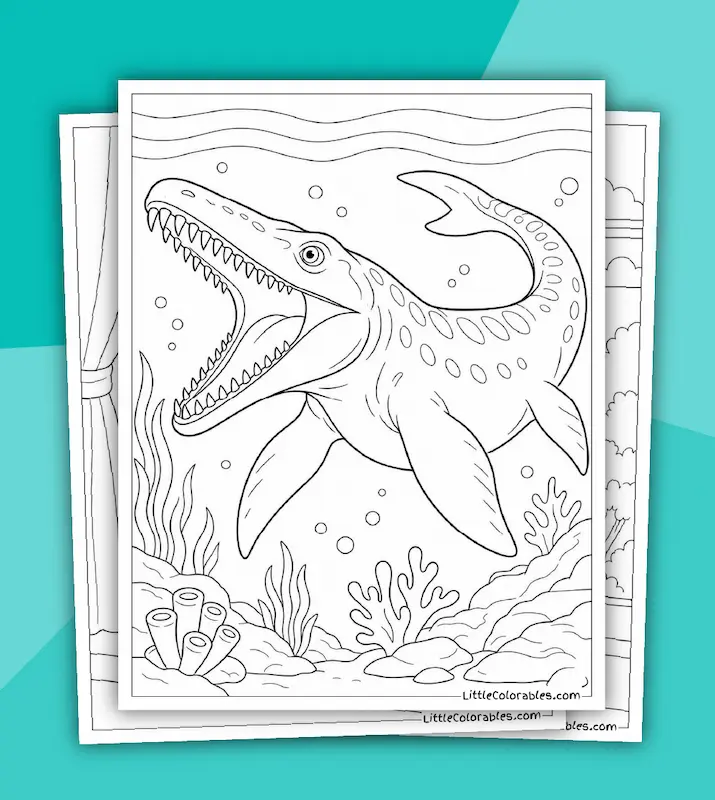
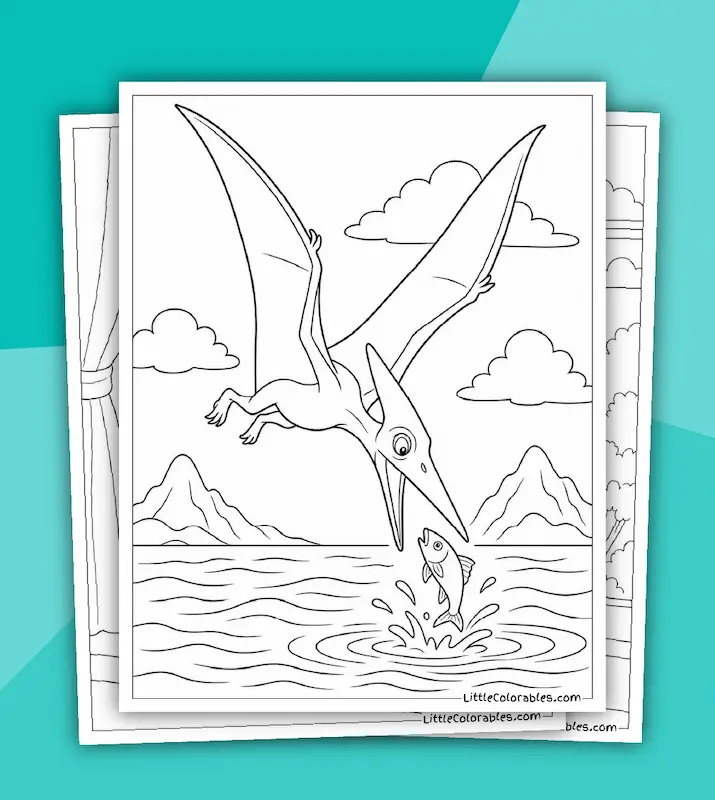
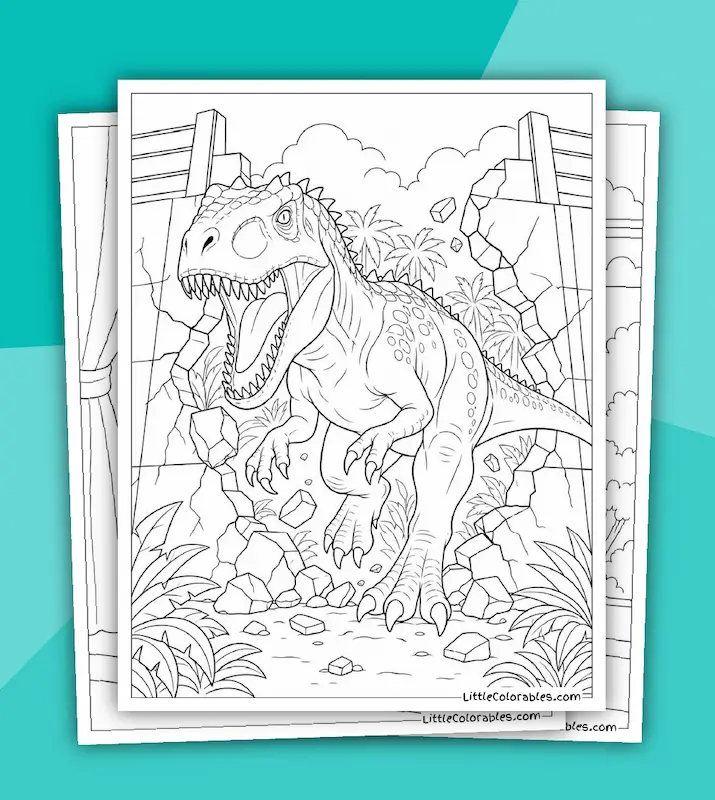
Dilophosaurus Coloring Sheet Highlights
Silhouetted in the Jungle
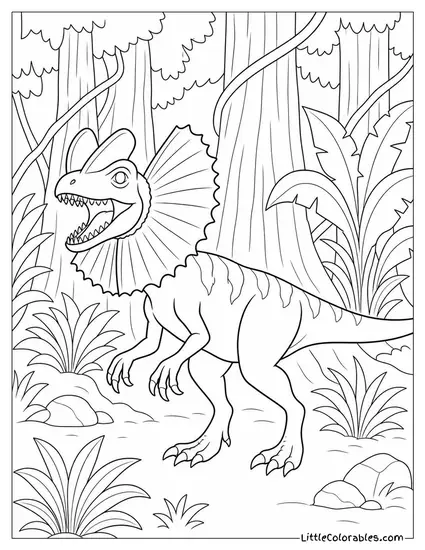
The frill is completely flared out here against those massive ancient trees. We made sure the jungle wall behind it feels dense and heavy. It gives the whole scene a really untamed look.
My youngest usually scribbles brown all over the trunks. Sometimes you just have to let them ruin a perfectly good background because fighting them is exhausting. It builds character.
Museum Skeleton Display
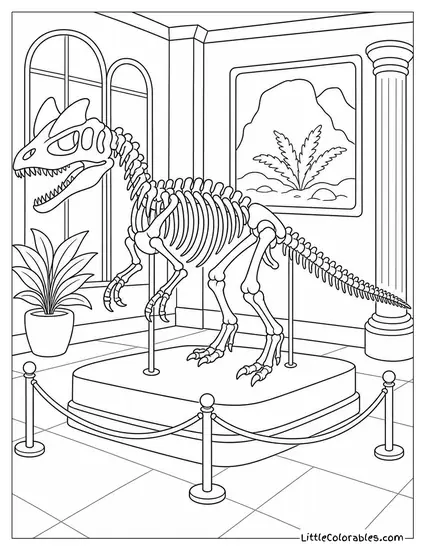
This one is literally just the bones on a museum stand. You can see the velvet ropes and a potted plant sitting there in the background. Does a museum really need a potted plant next to a priceless fossil?
Older kids gravitate toward this specific dilophosaurus coloring sheets option. Figuring out how to shade the ribs takes actual patience. I think it looks fantastic done in charcoal gray.
Spitting Venom Arc
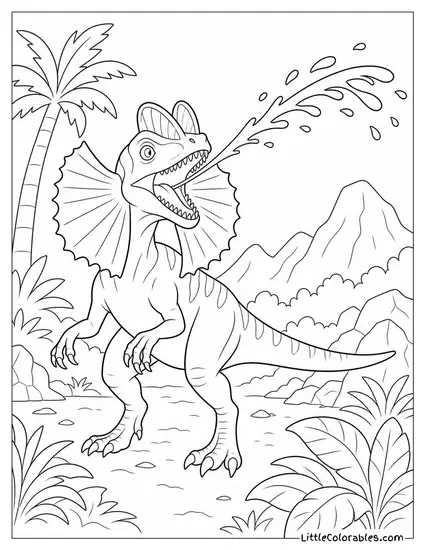
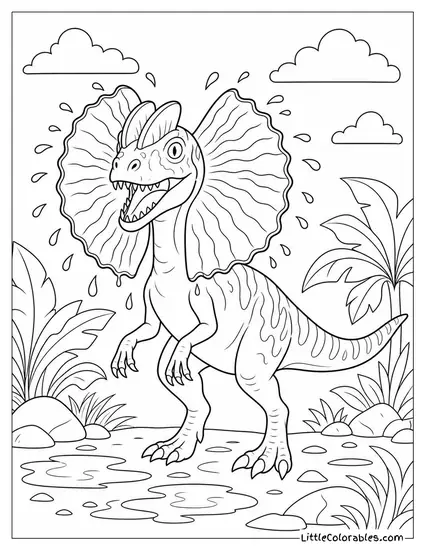
Every kid wants the dinosaur that spits poison. The venom is flying right across the page in a big wet arc. We drew the mouth wide open to make it look aggressive.
Use neon green for the spit. It makes the whole printable dilophosaurus coloring pages collection feel a bit more dynamic. Plus kids love anything gross.
Splashing Through the Stream
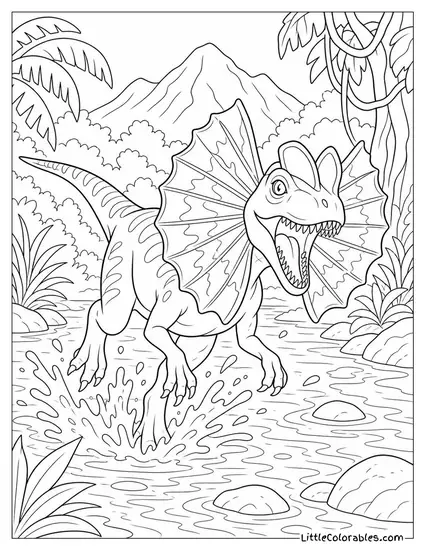
Here the beast is running full speed through a shallow stream. You can actually see the water droplets splashing everywhere around its scaly feet. The mountains in the back add some depth to the layout.
I tell my students to block in the water before the dinosaur. Otherwise the blue just smears right into the feet. All this color theory comes down to one thing: don’t overcomplicate it.
Wading in the Swamp
This coloring page of a dilophosaurus shows it with the frill folded down for once. It is wading carefully through ankle-deep swamp water. The creepy hanging tree roots make it feel swampy.
It is eerily quiet. We designed the water ripples to be subtle. Grab some dark greens and browns for this one.
Facing a Rival
Two of them are having a standoff with their frills wide open. It is a classic territorial dispute right on the page. The rocks on the ground are great for practicing texture.
Sibling rivalry in dinosaur form. Honestly my kids argue just like this over the TV remote. I recommend using contrasting colors.
Vivid Courtship Display
We focused heavily on the crests on top of the head for this courtship scene. The frill is fully extended. The detailed scales on the body took my team around 14 hours to get right.
This is one of the more detailed dilophosaurus coloring sheets we offer today. You really need fine-tip markers for those scales. The effort pays off though.
Mid-Unfurl Surprise
The frill here is caught right in the middle of unfurling. It looks like the dinosaur just stepped on a twig and got startled. The jungle leaves frame the whole thing beautifully.
Those leaves take forever to color. But it keeps them occupied at the kitchen table. These free dilophosaurus coloring pages are basically my babysitter.
Tips for Coloring Dilophosaurus
1. The Frill Needs Contrast
Do not just color the frill the same shade as the body. That flap of skin was meant to be flashy. If the body is green make the frill bright red or orange. It creates a focal point.
Nature uses bright colors as a warning sign. Think about poison dart frogs. Coloring is basically just visual storytelling for kids. Make it pop.
2. Shading the Skeleton
The museum skeleton page is tricky. Bone is rarely perfectly white in real life. It has layers of dust and shadow. I always tell my kids to use a very light cream as the base layer.
Then you go in with a darker pencil for the joints. It brings the printable dilophosaurus coloring pages to life. Well . . . as alive as a fossil can be. A flat white skeleton just looks unfinished and lazy.
3. Swamp Water Texture
Water in a swamp is murky. It is not pool water. Stop using sky blue for it. Mix some olive green and brown into the water ripples to make it look stagnant.
It makes the scene look sticky. You want to feel the humidity just looking at the page. Layering colors is a skill kids pick up surprisingly fast. Will they remember it tomorrow? No idea. But today – it works.
4. Dealing with Scales
A lot of these pages have tiny individual scales. Do not try to color every single one differently. You will go crazy. My neighbor tried this and she gave up after five minutes.
Color the whole dinosaur with a base layer first. Then just pick out a few scales here and there with a darker shade. It tricks the eye into seeing detail everywhere. Less is more sometimes.
5. The Spitting Venom
The venom needs to look liquid and toxic. Neon yellow or bright purple works wonders here. Leave a tiny white streak in the middle of the spit arc. It acts as a highlight.
That white streak makes the liquid look wet. It is a tiny detail. But it completely changes how the picture feels. This might cause some inconvenience if you only have cheap crayons.
6. Jungle Foliage Depth
Jungle backgrounds can get overwhelming fast. Everything is just leaves and stems. Use dark green for the plants in the back to push them into the negative space.
Then use a light punchy lime green for the leaves right in the front. Suddenly the dinosaur actually looks like it is standing in a 3D forest. It is basically entry-level art theory.
7. Markers vs Crayons
Crayons are great for the wide open spaces like the sky. But they are terrible for the fine details on the face. The wax just clumps up around the eyes.
Switch to fine-point markers for the head and teeth. It keeps the lines crisp. You can mix mediums on the same page. No one is going to arrest you for it. I think.
8. Adding Dirt and Grime
Dinosaurs lived in the dirt. They were filthy animals. Smudge some light brown around the feet and the bottom of the tail. I need to buy more laundry detergent today.
You can literally just rub a brown pencil lightly over the paper. It makes the beast look grounded. Pristine dinosaurs are boring. Let them be a little messy for once.