
Welcome to the sanity-saving corner of the internet! If you’re looking for free printable coloring pages that actually keep a child’s attention for more than thirty seconds, you’ve found your tribe.
Every one of our kid’s coloring pages is hand-curated and “stress-tested” by our own tiny quality control team. Whether you need free coloring pages for kids to survive a rainy afternoon, a themed birthday party, or just a quiet moment to drink your coffee while it’s still hot, browse our collections below.
Coloring Page Collections
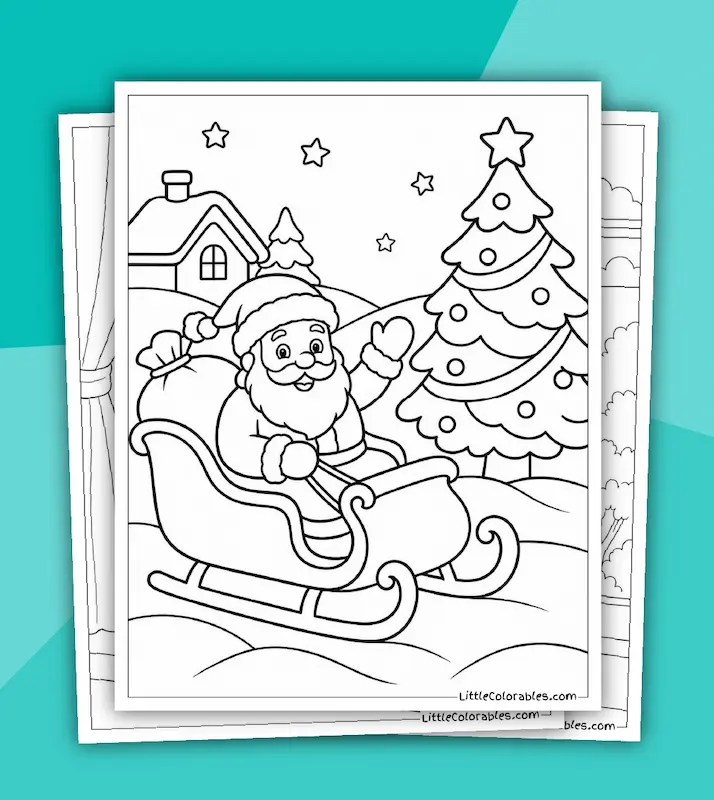
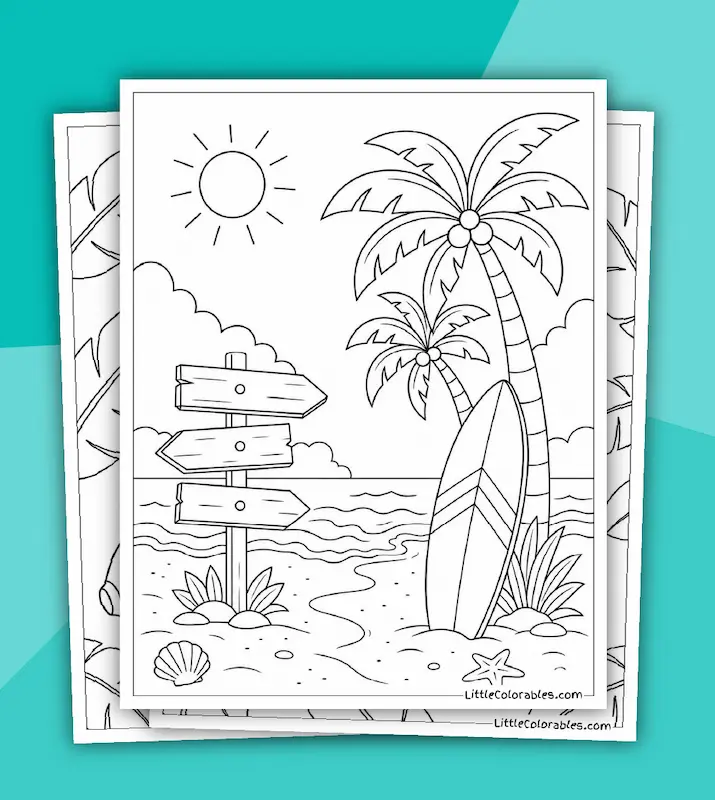
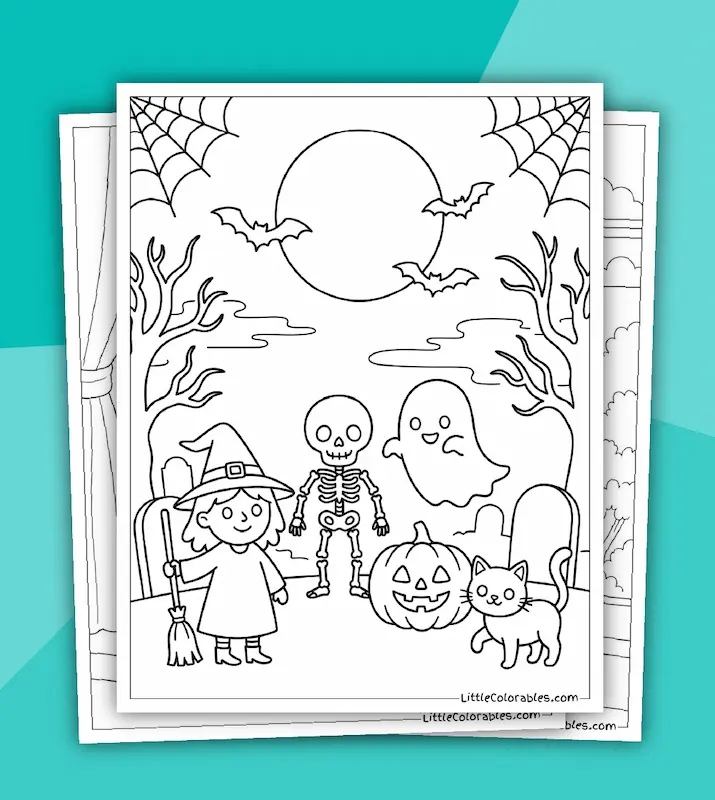
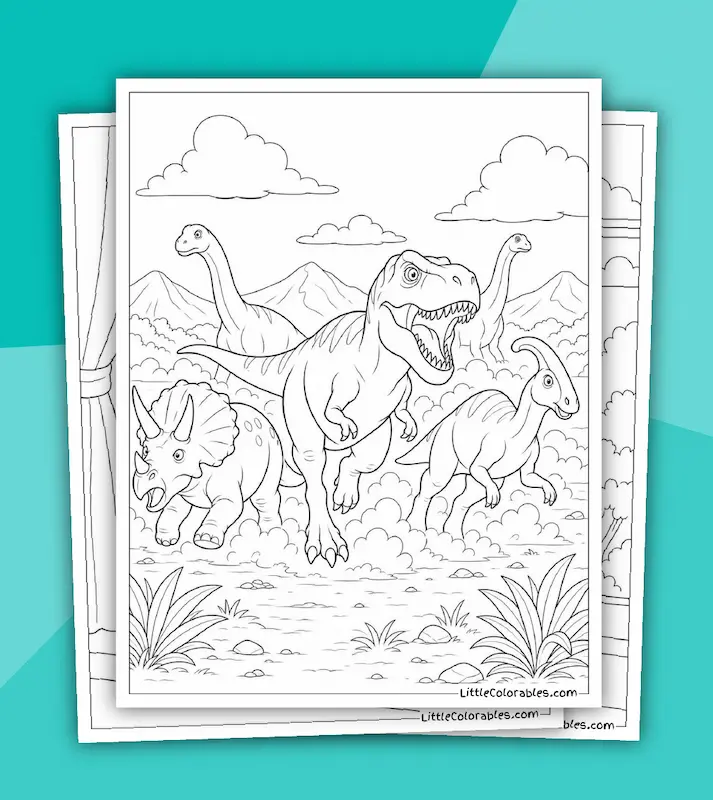
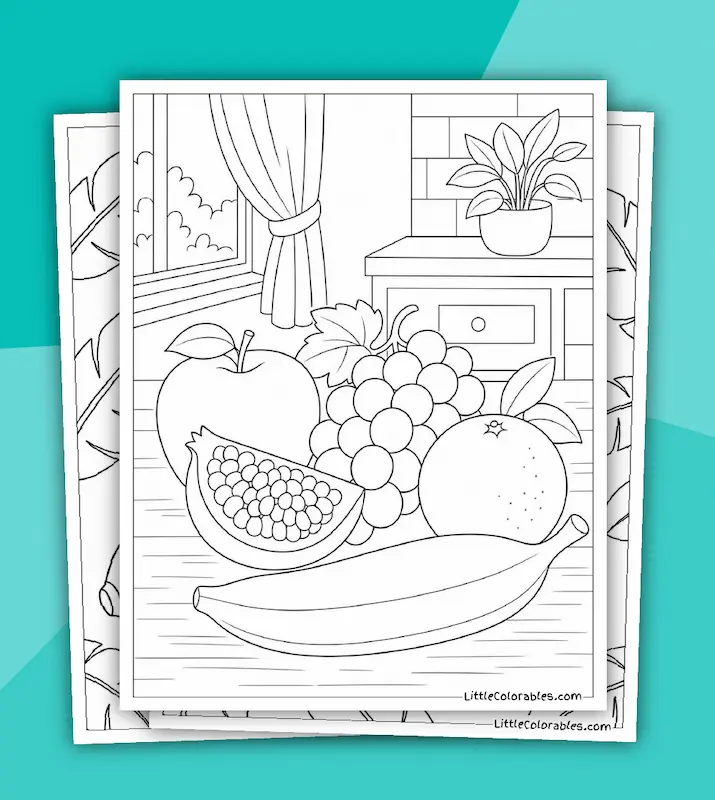
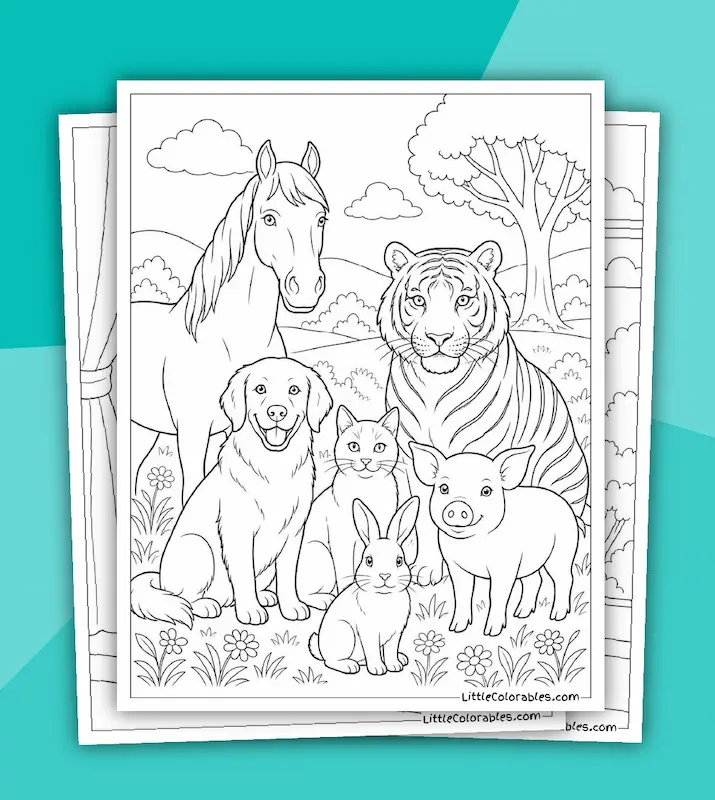
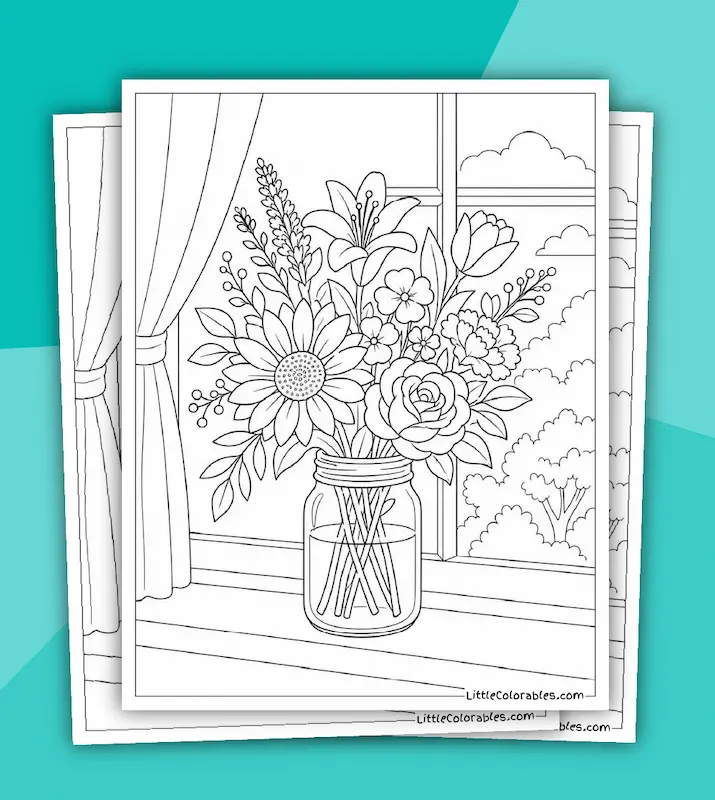
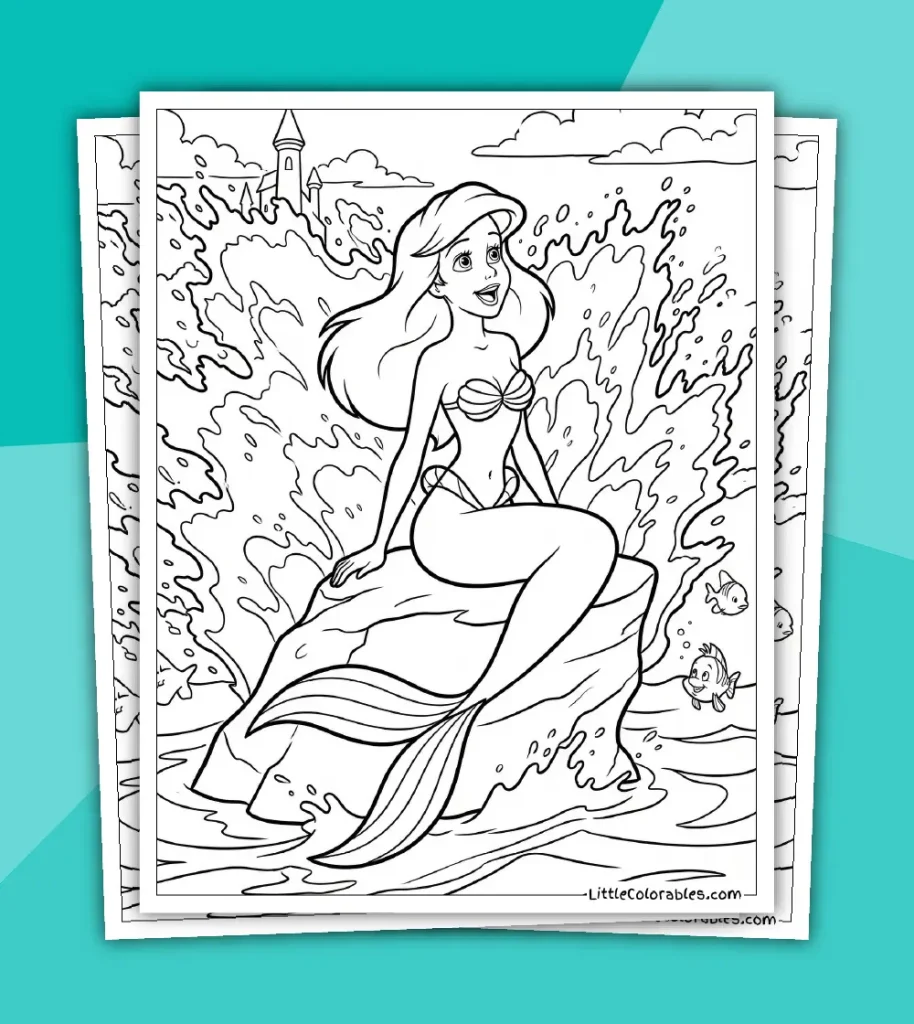
All Coloring Pages
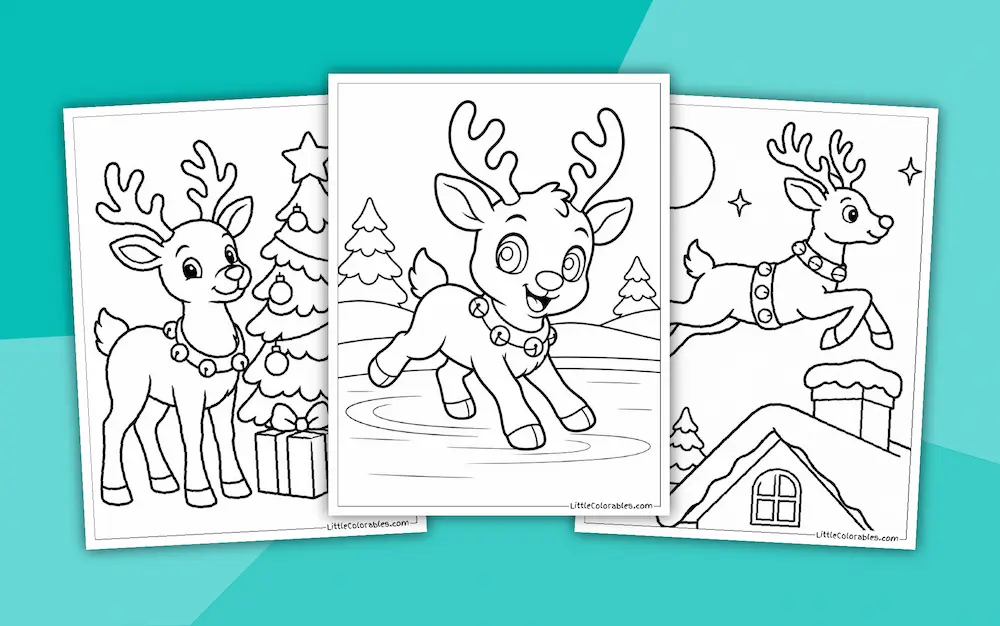
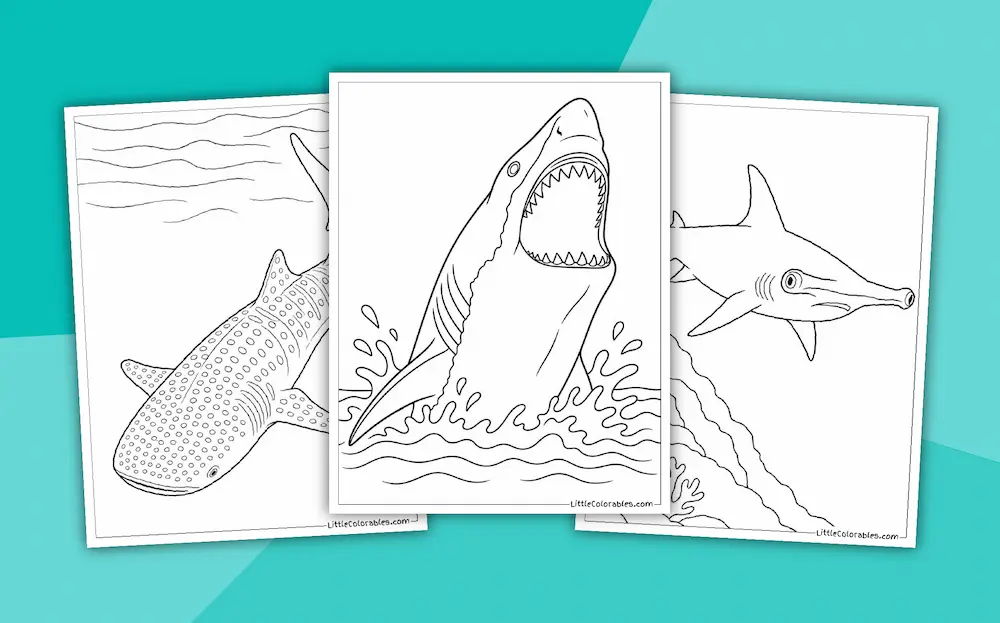
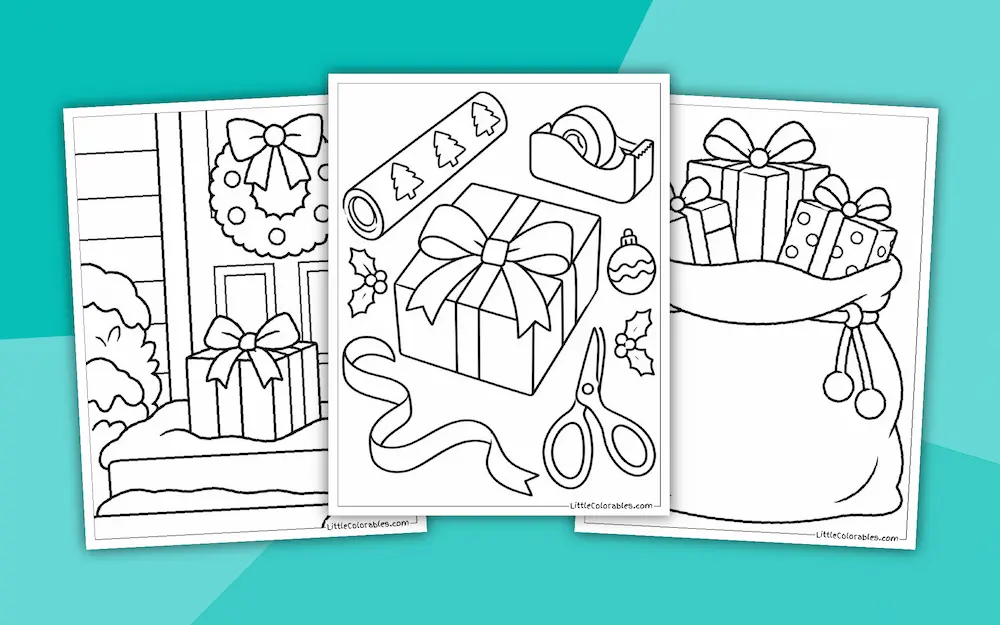
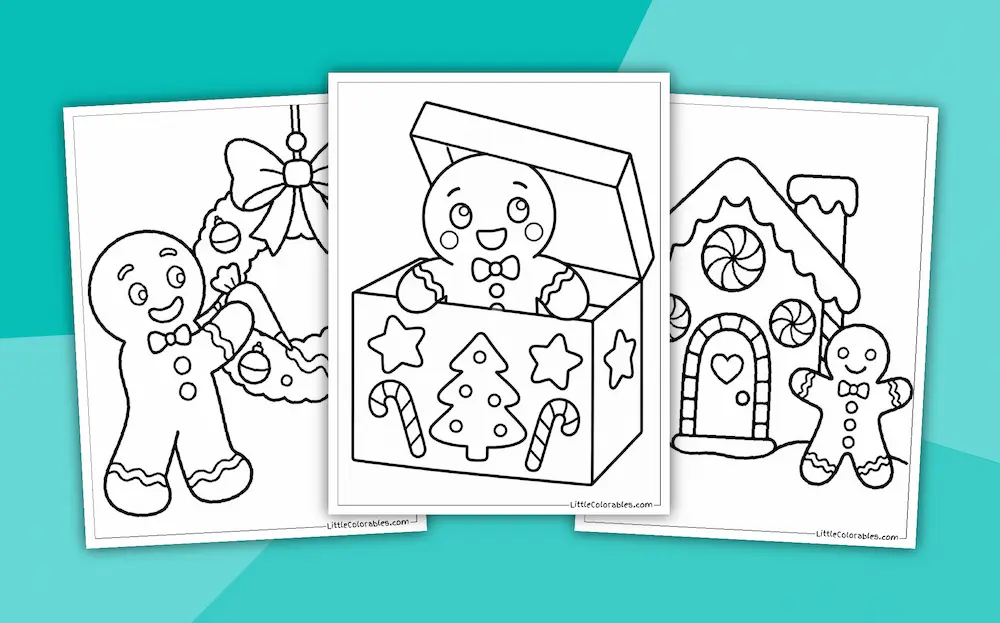
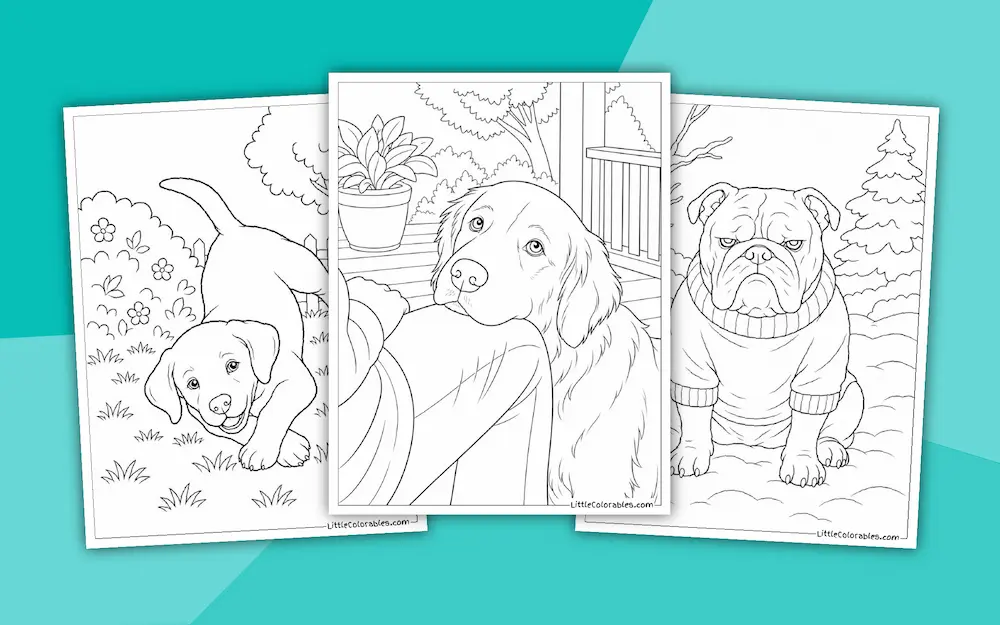
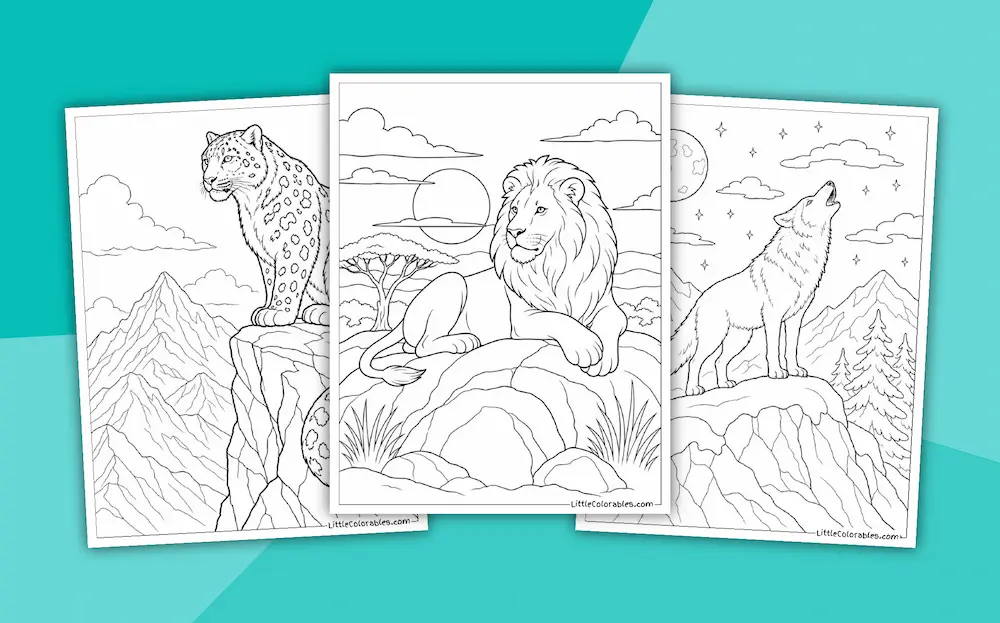
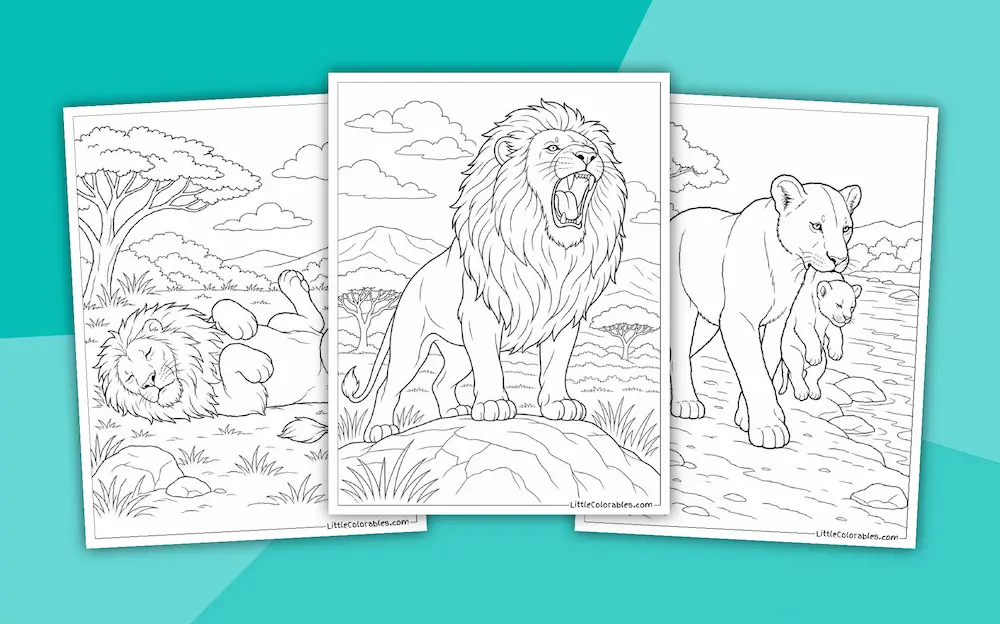
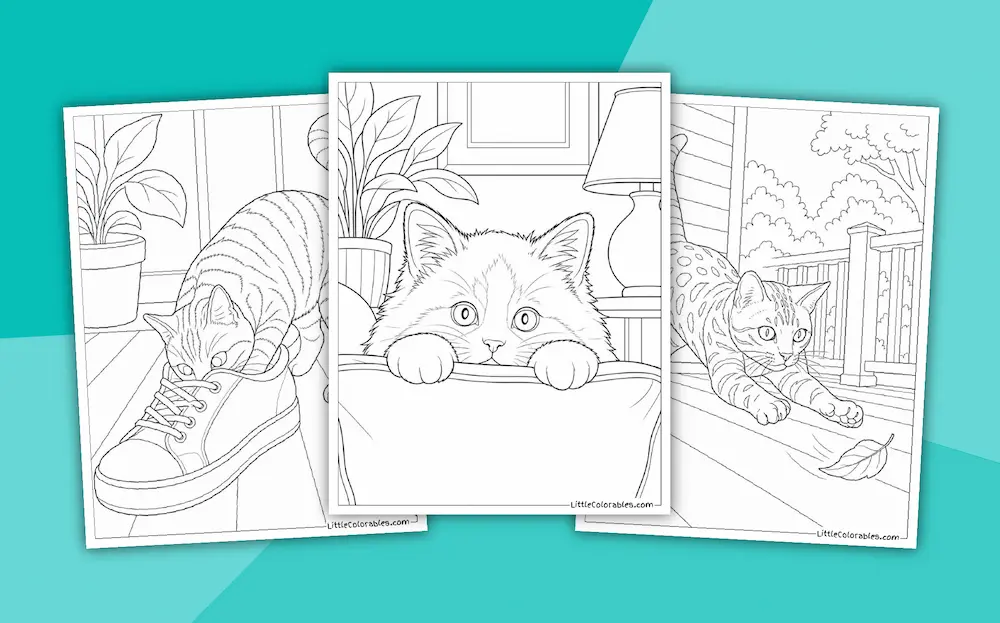
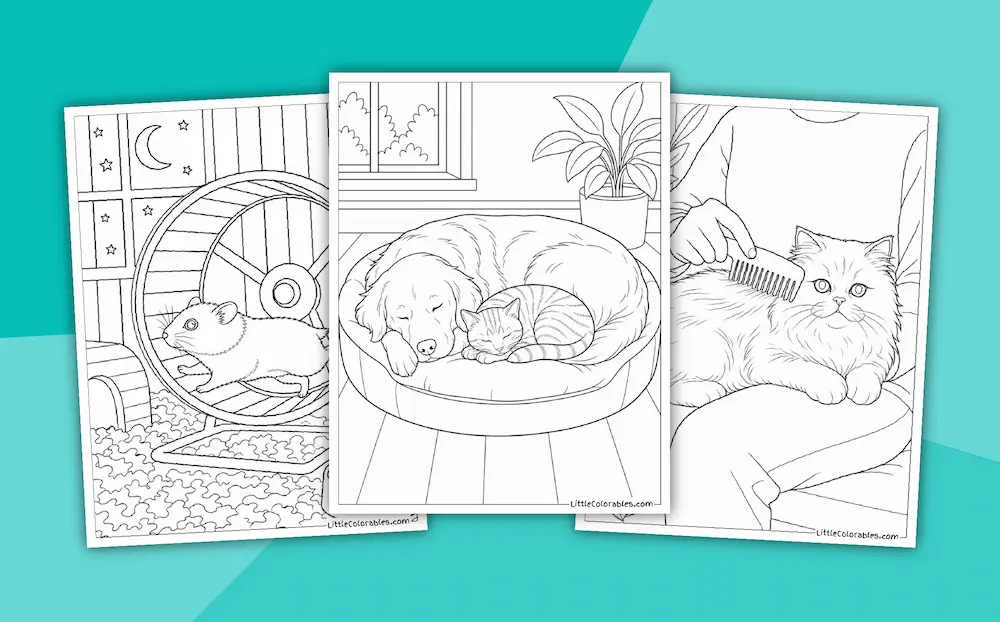
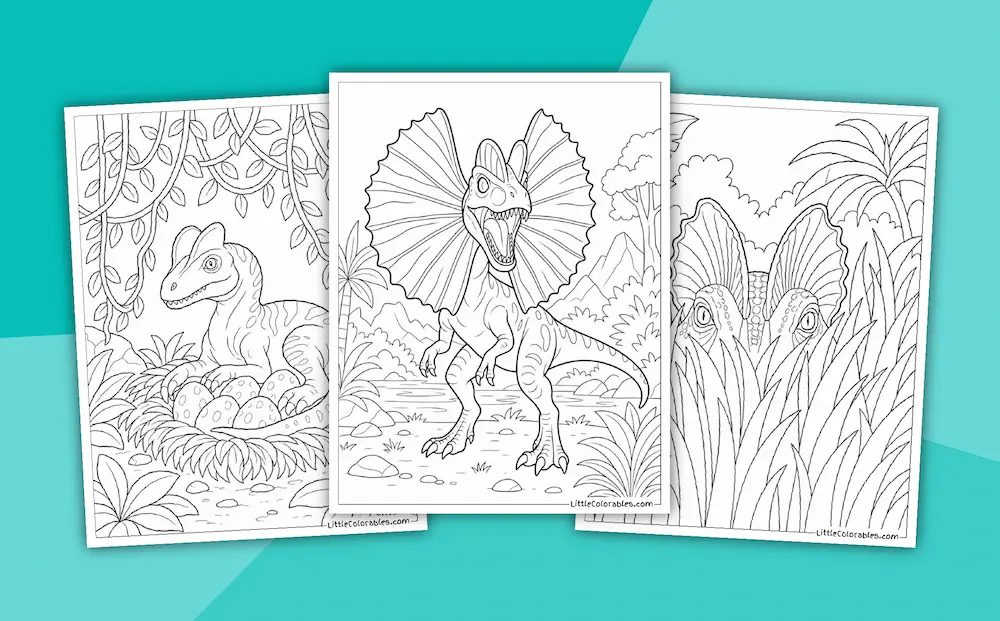
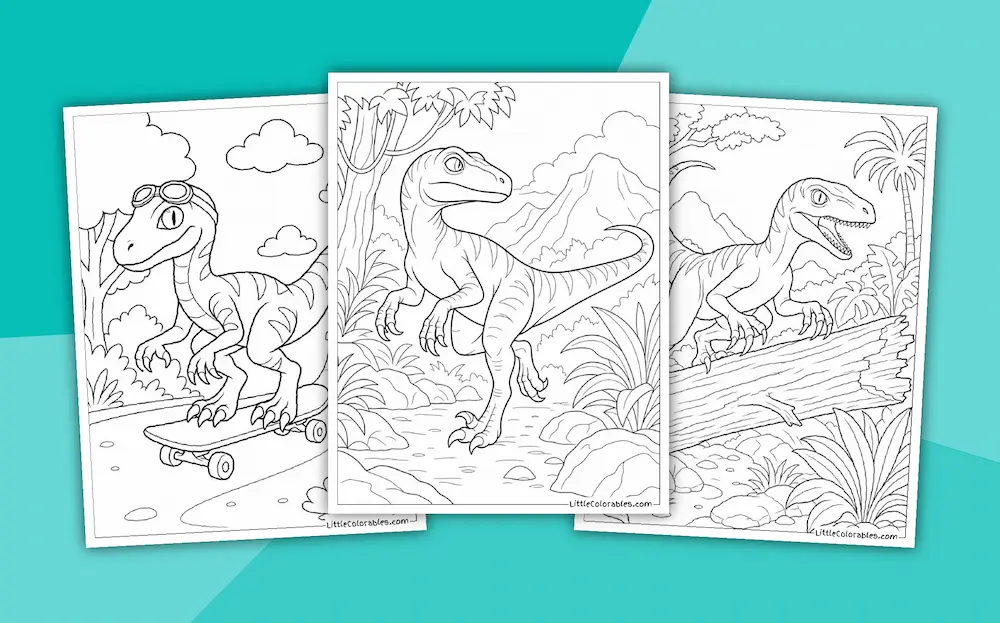
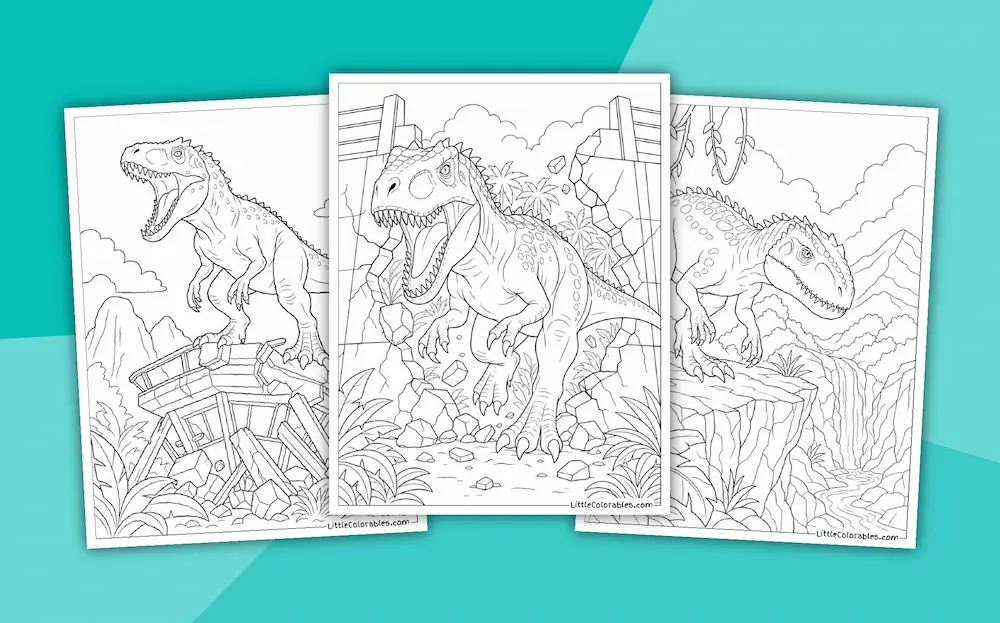
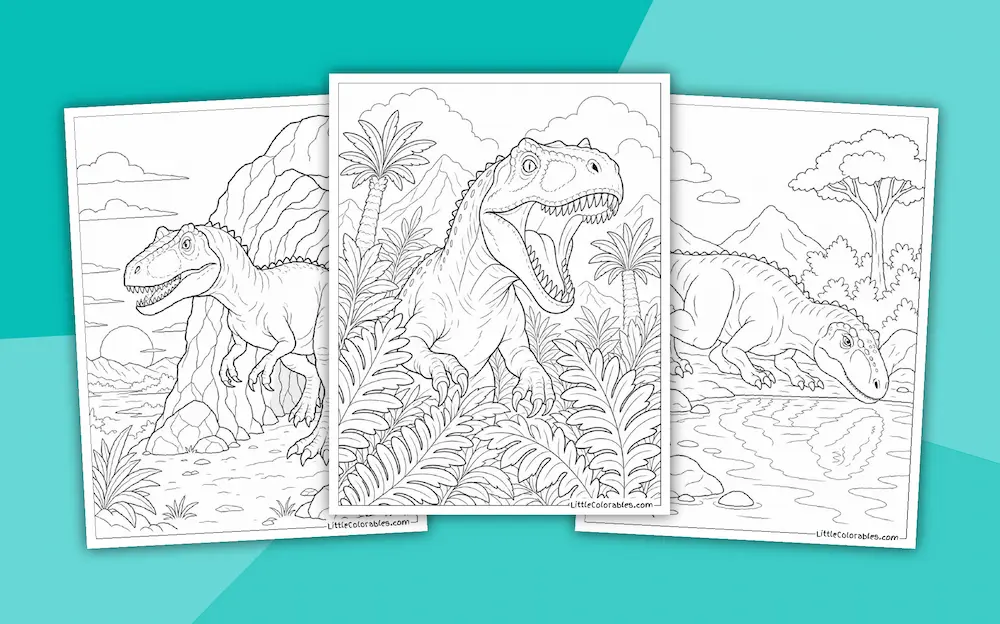
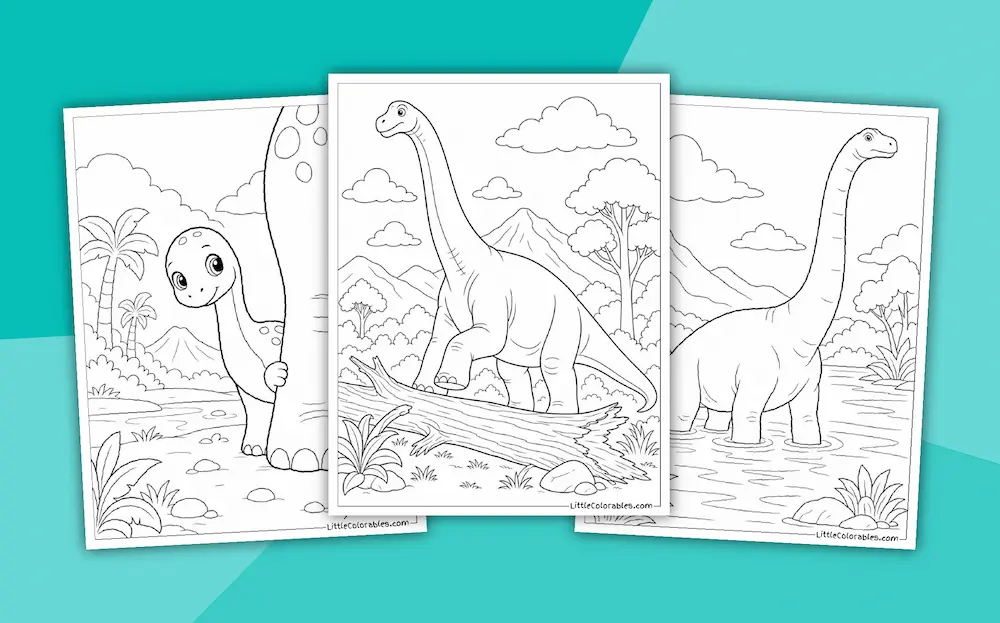
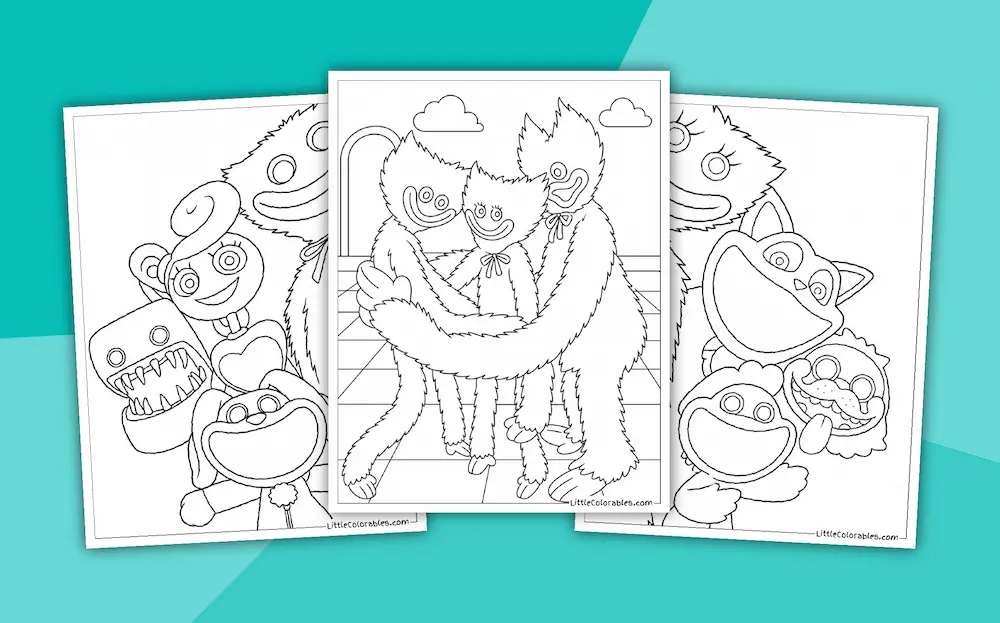
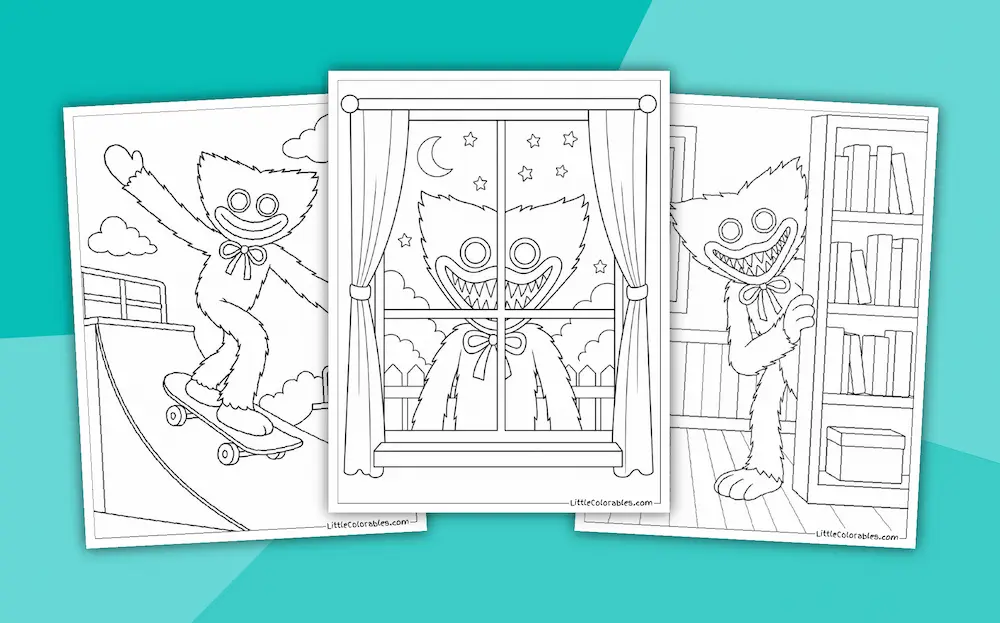

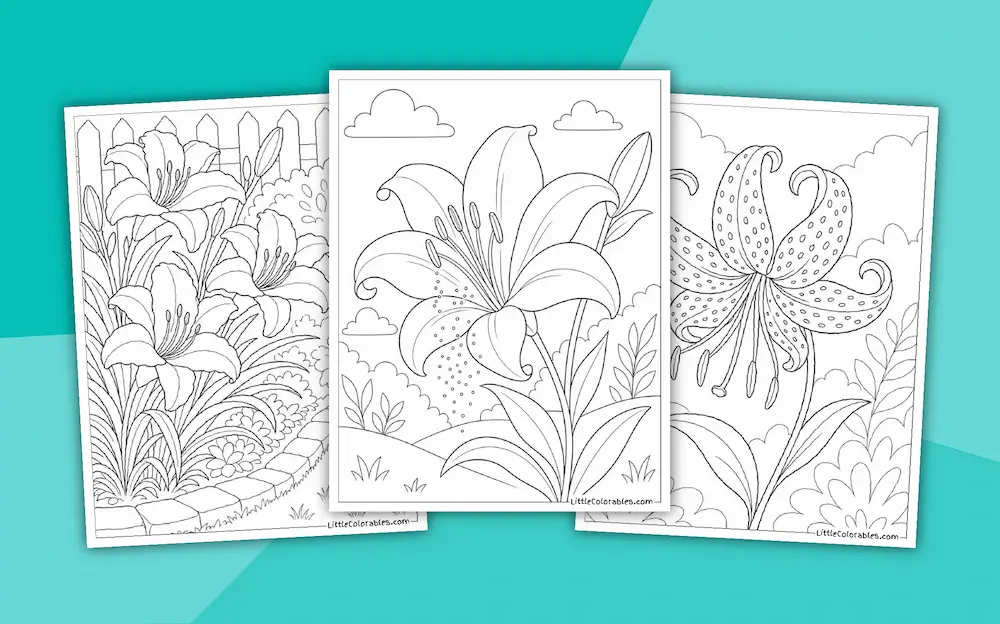
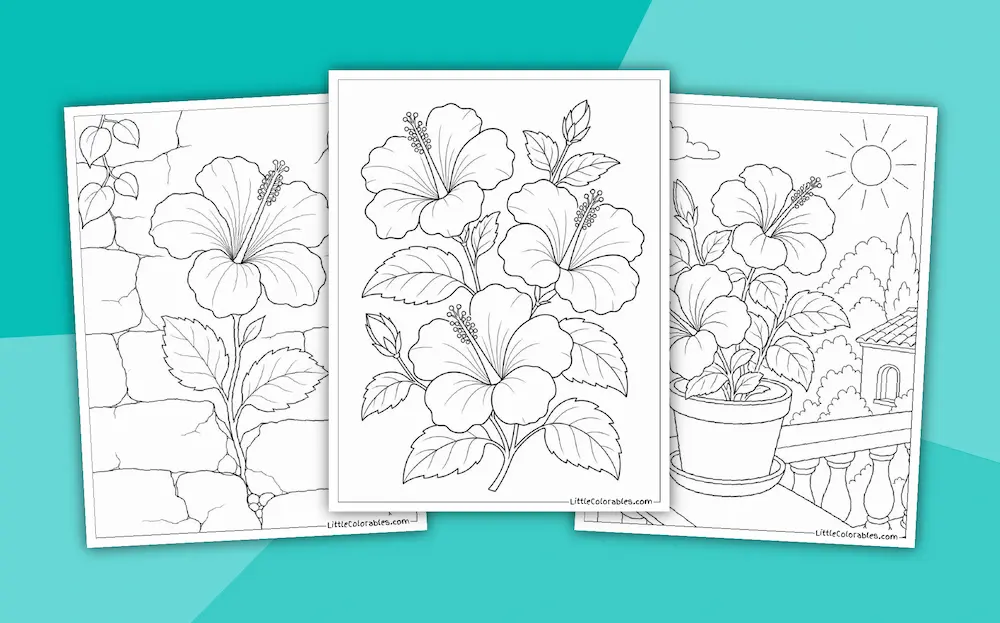
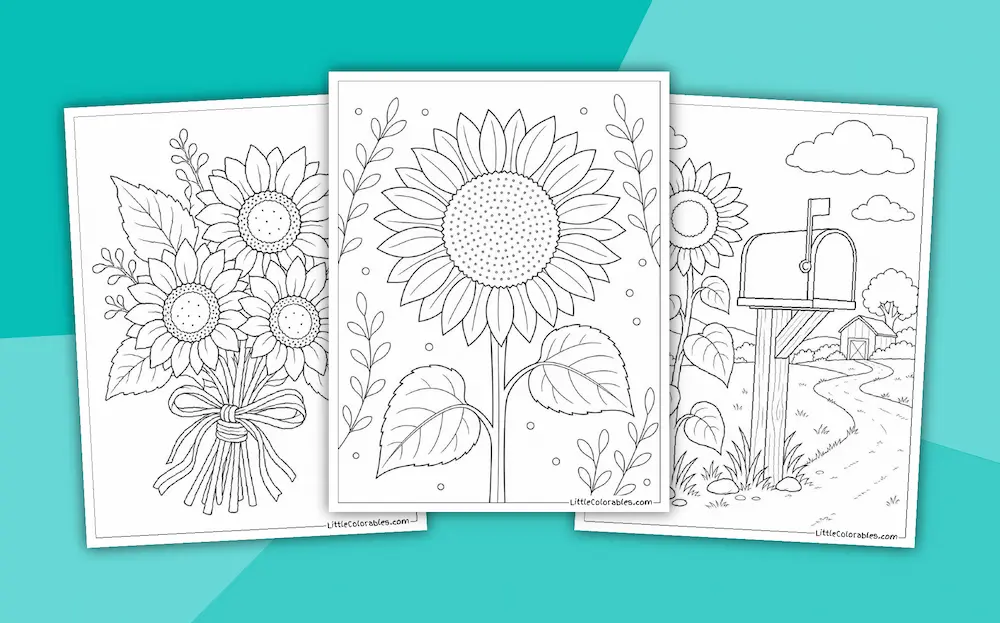
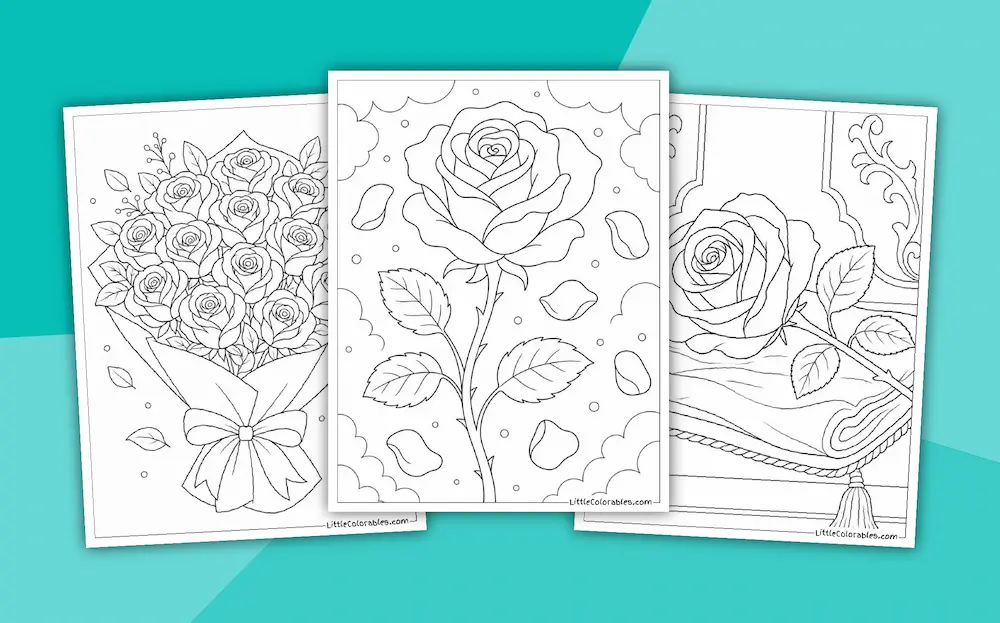
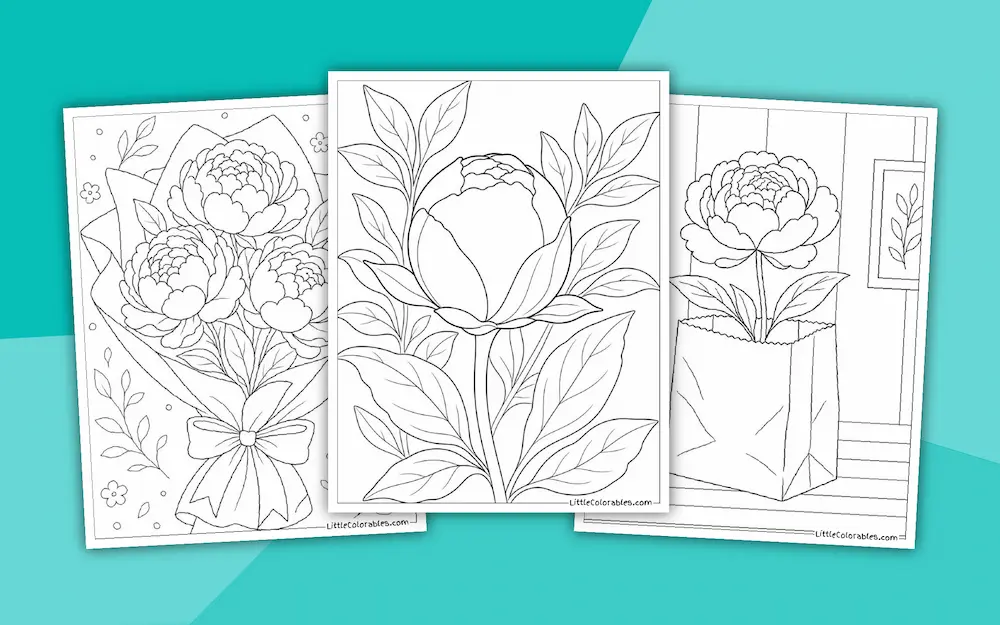
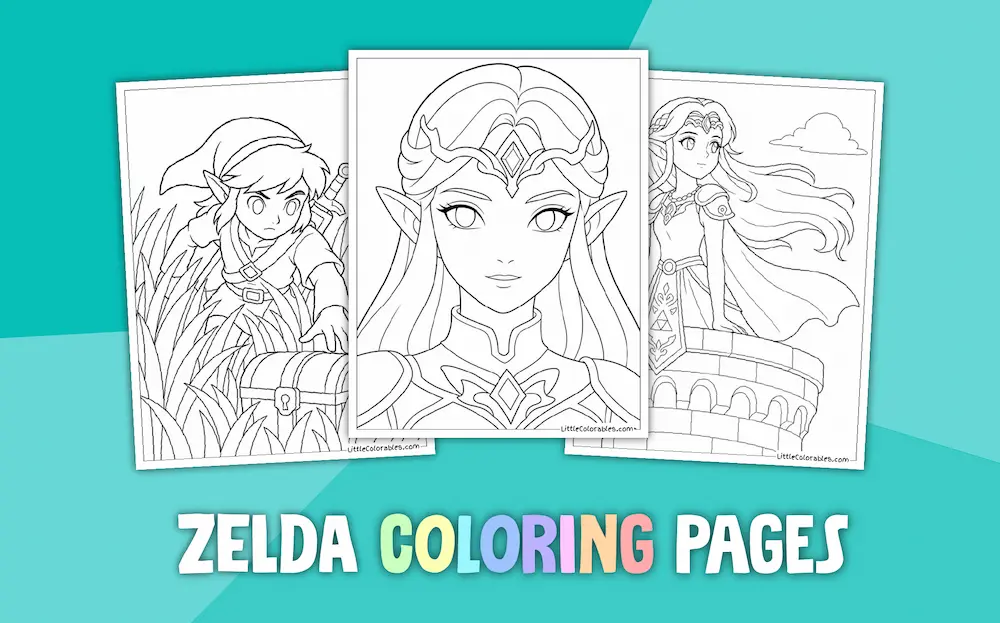
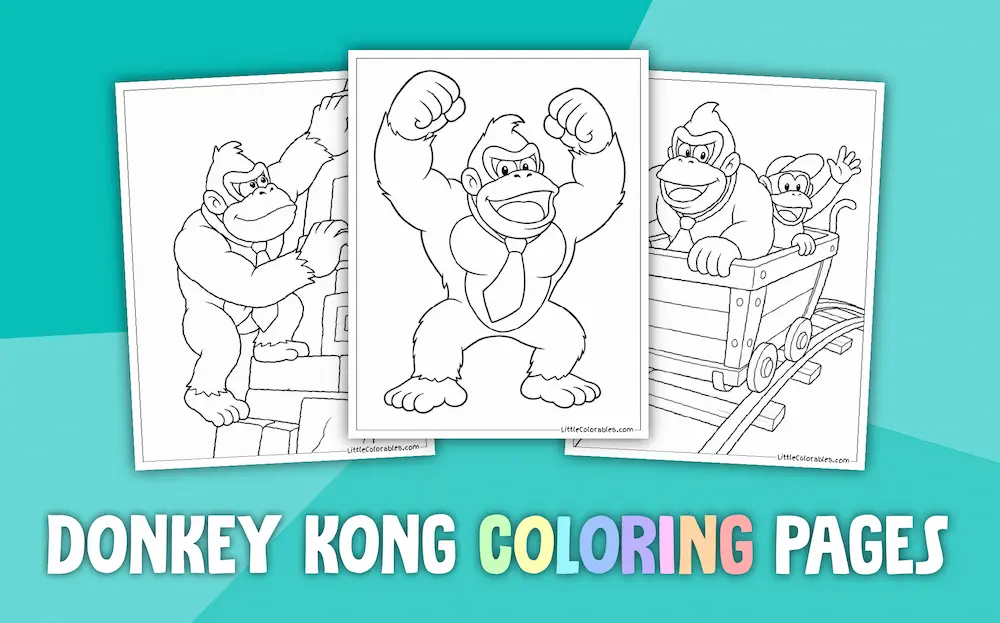
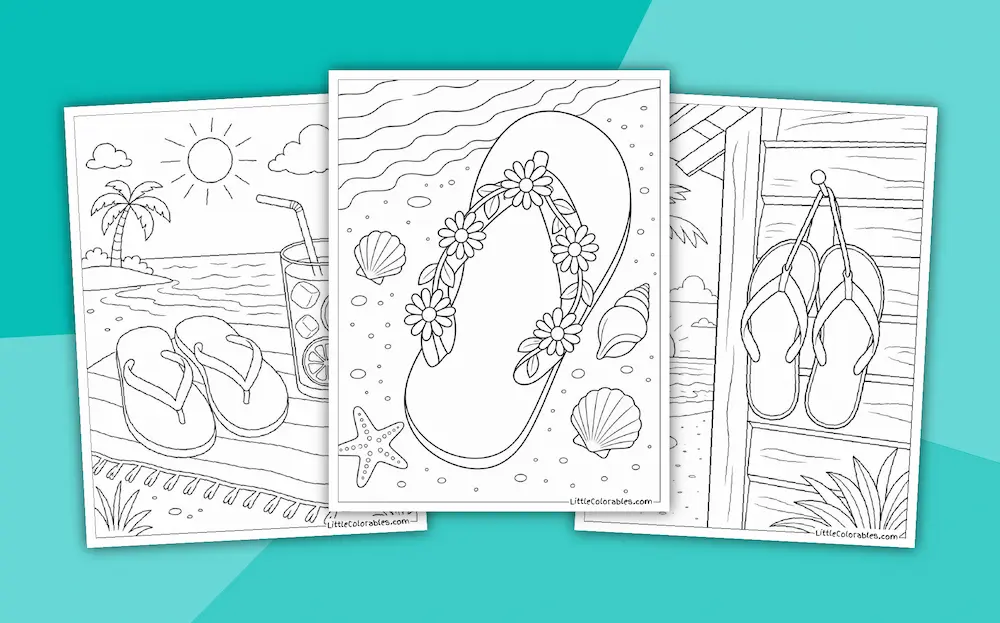
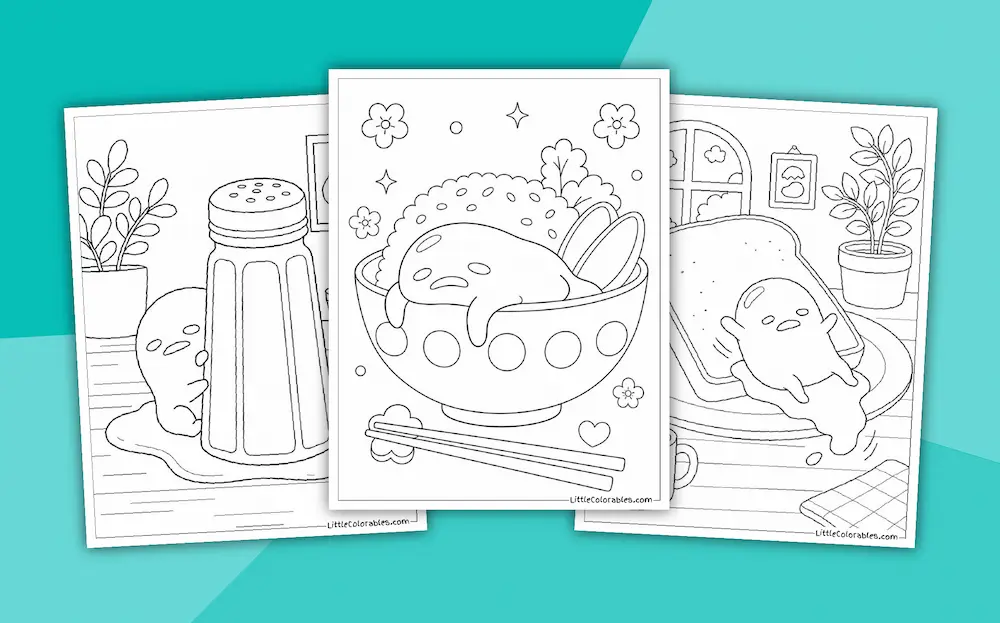
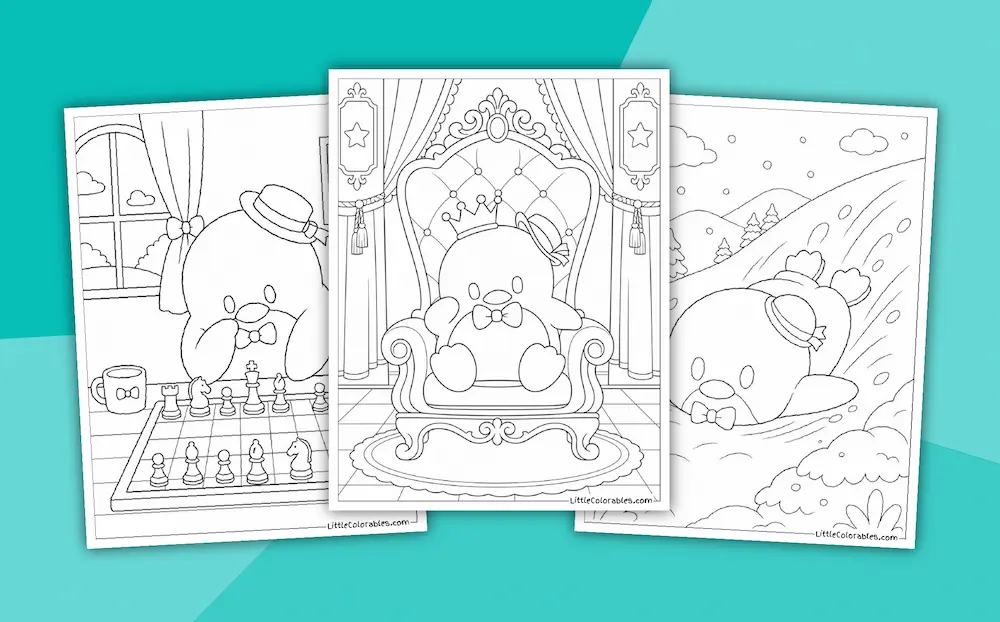
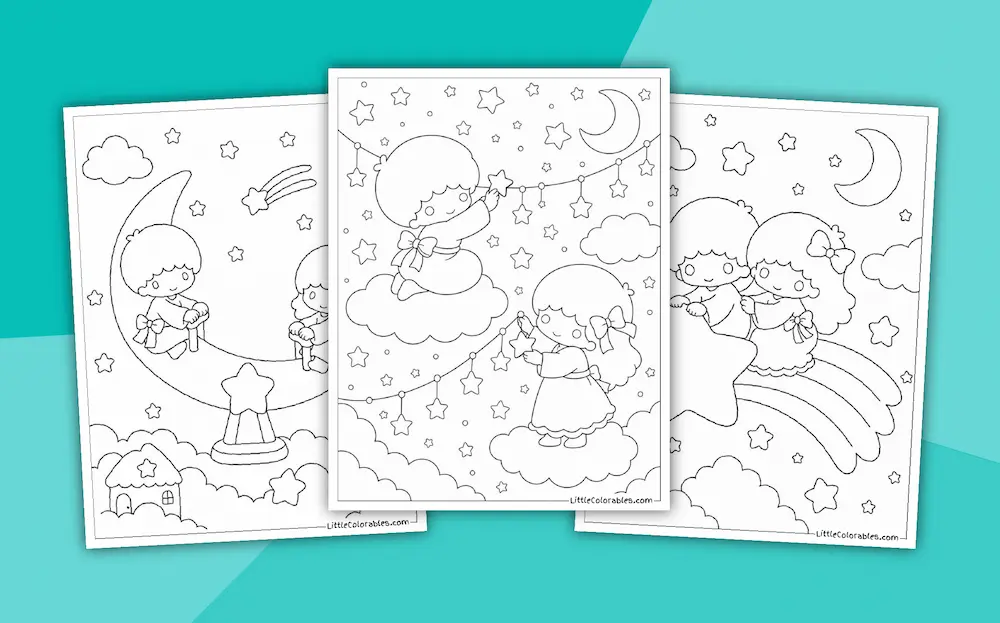
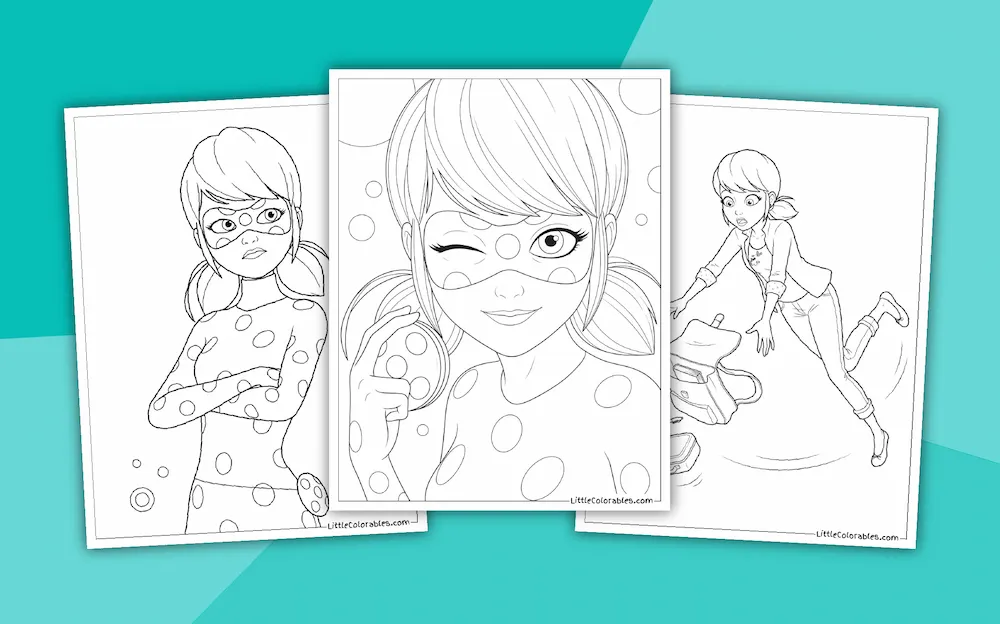

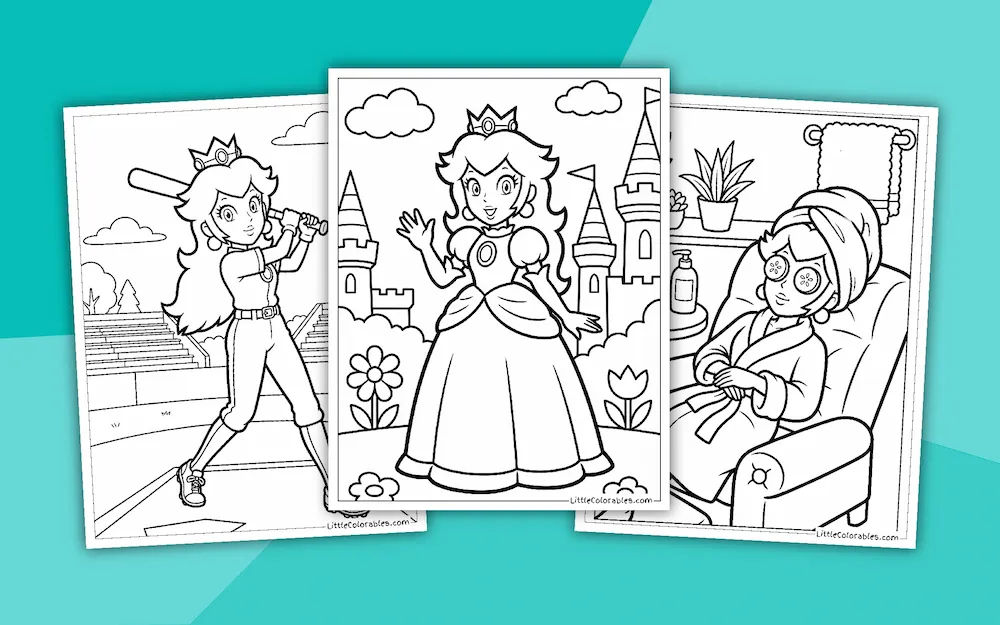
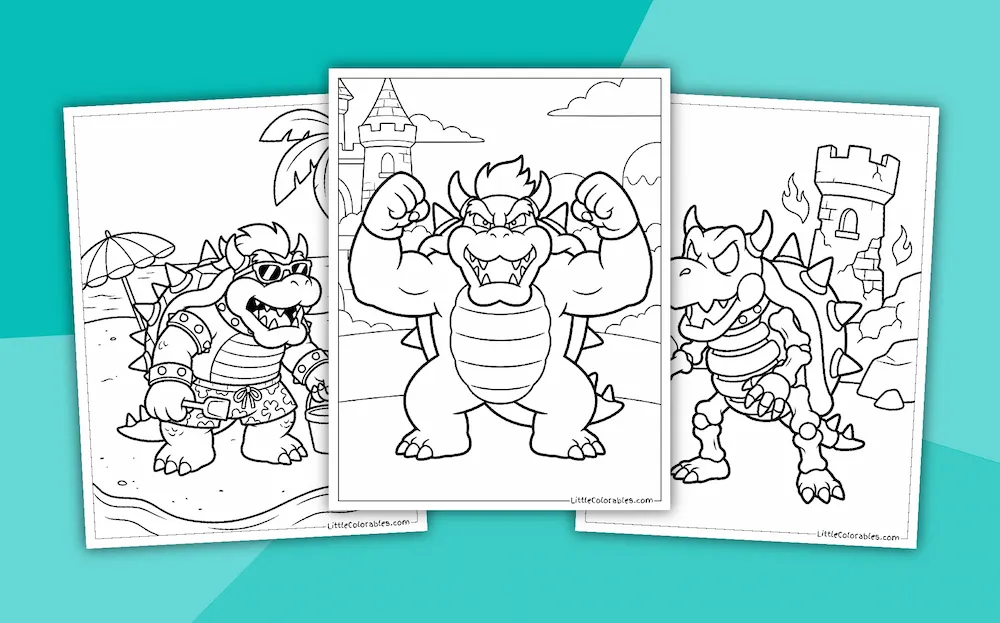
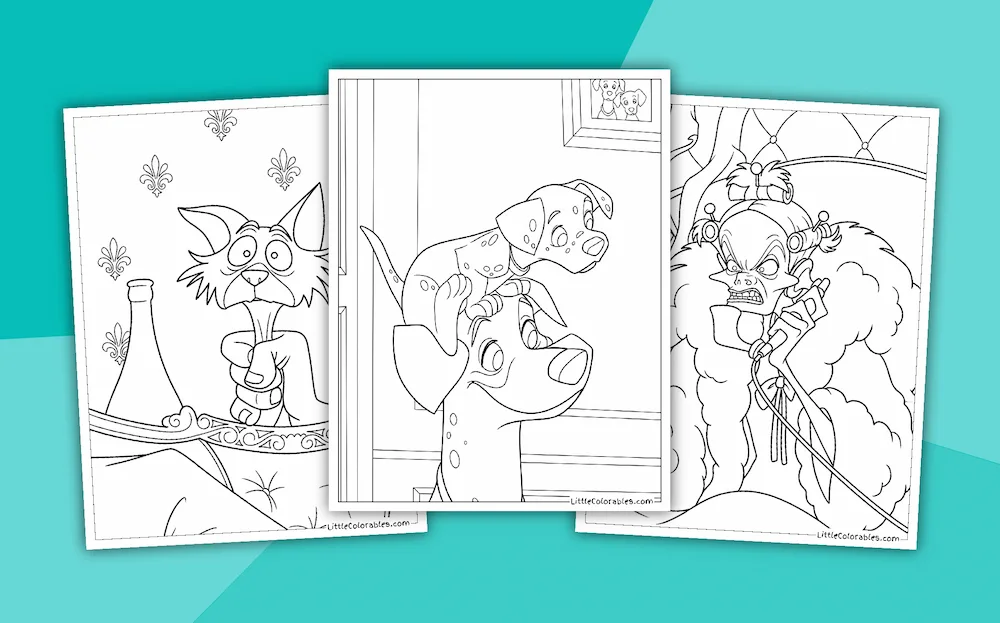
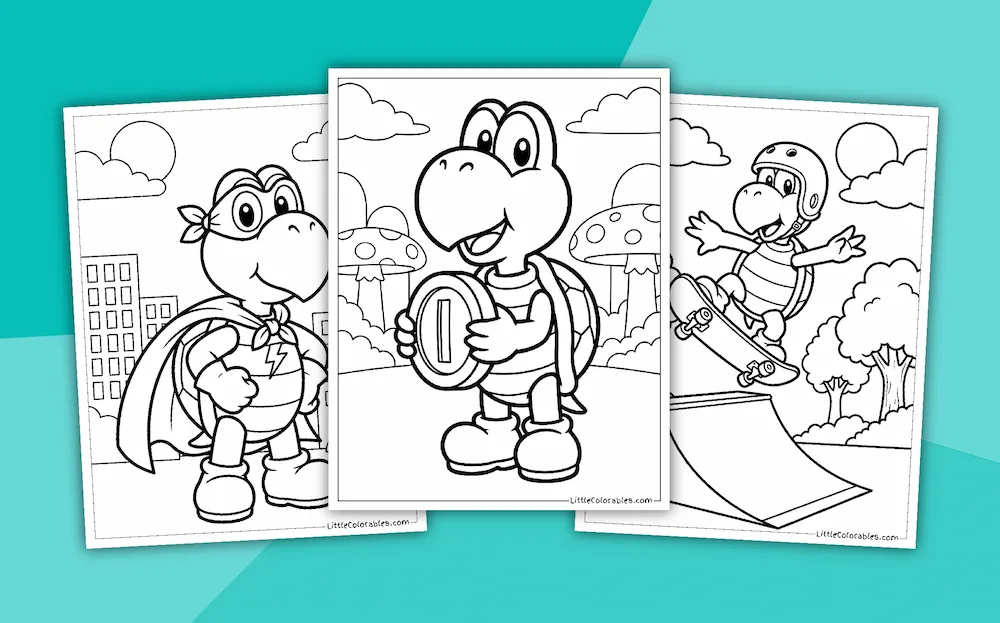
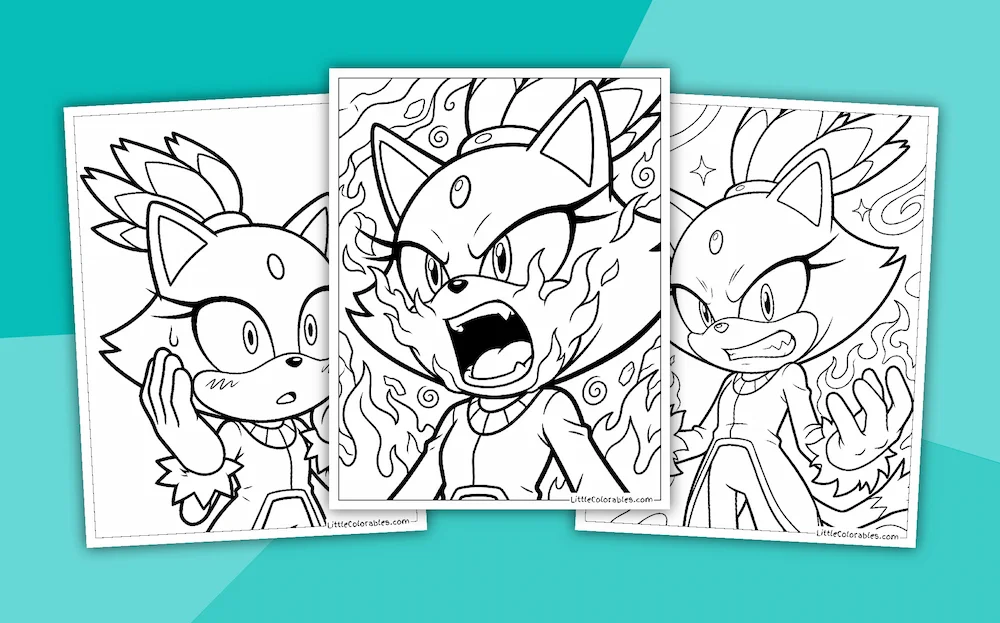
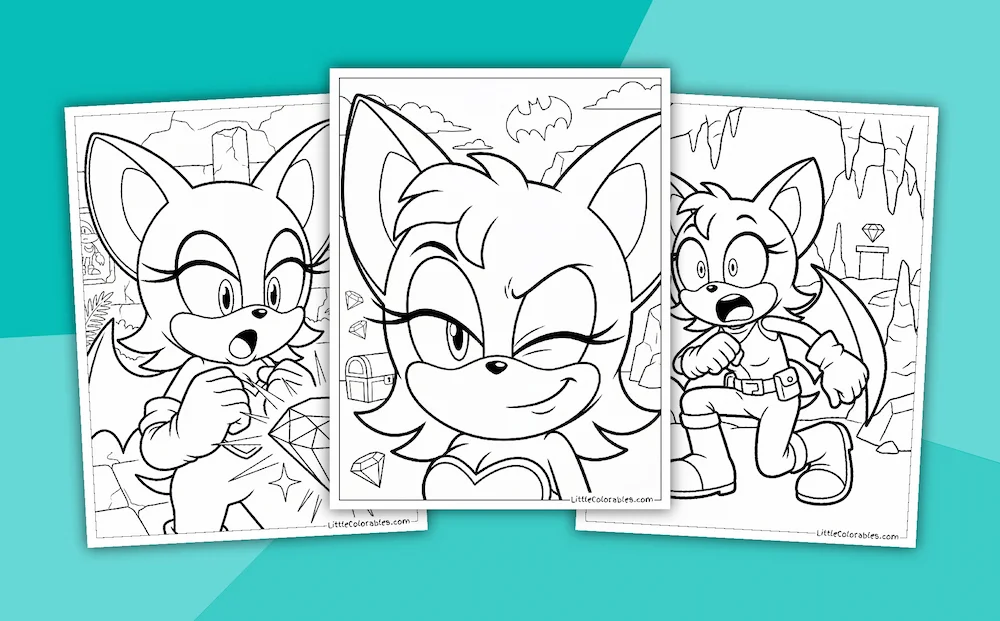
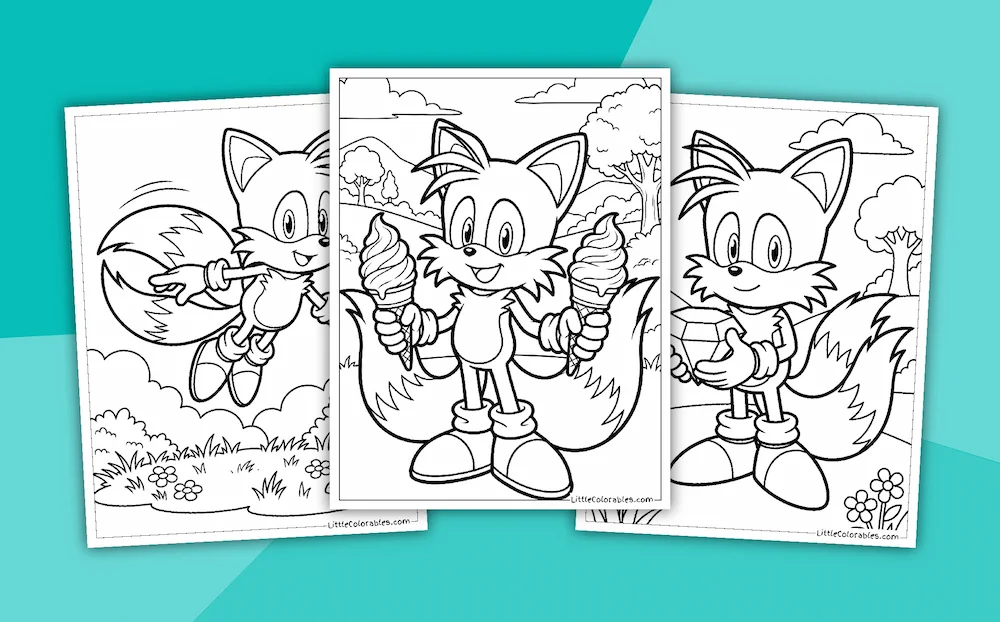
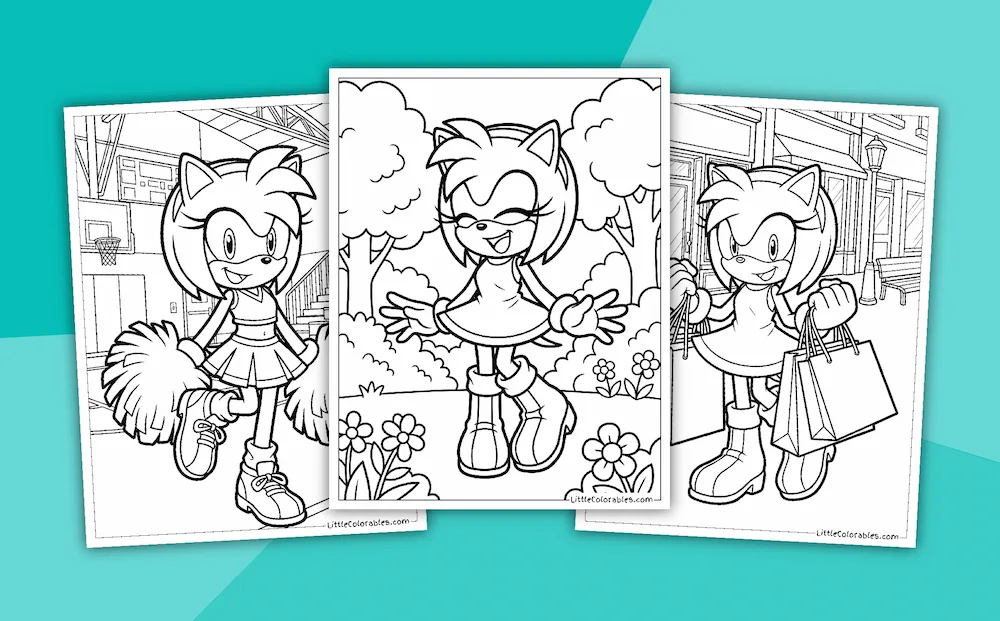
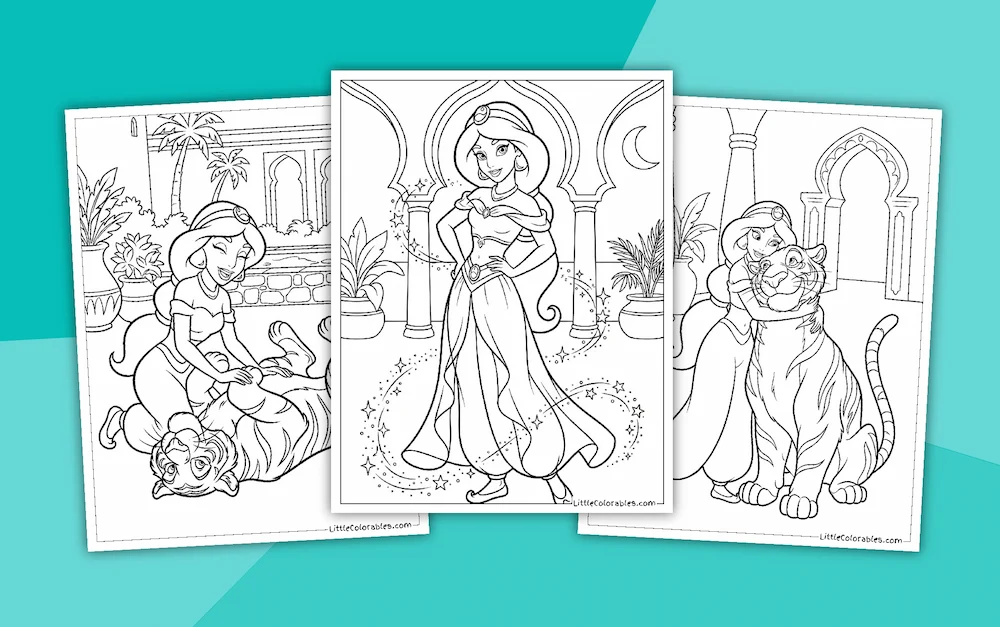
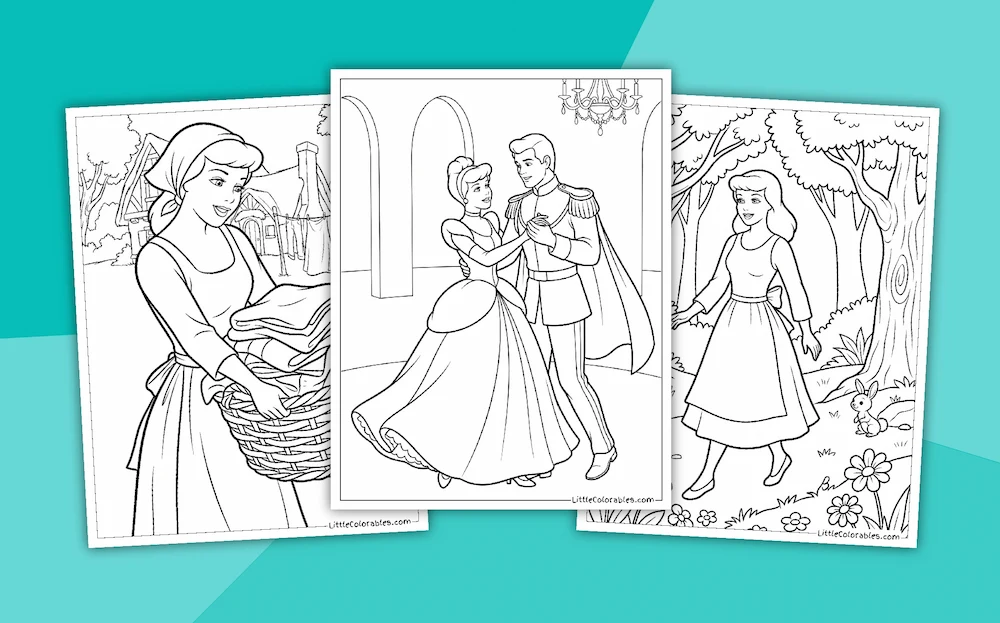
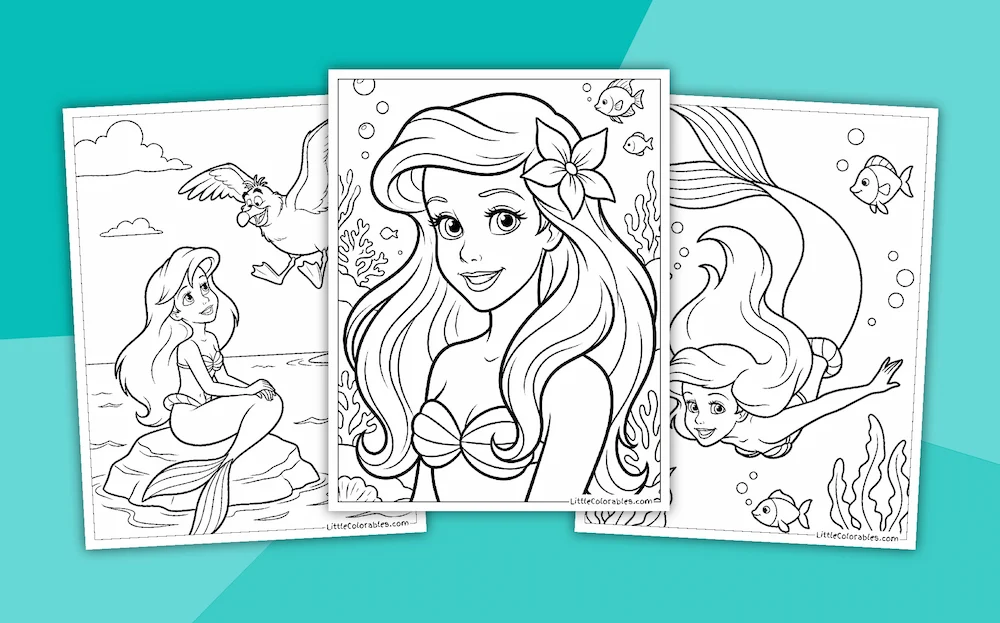
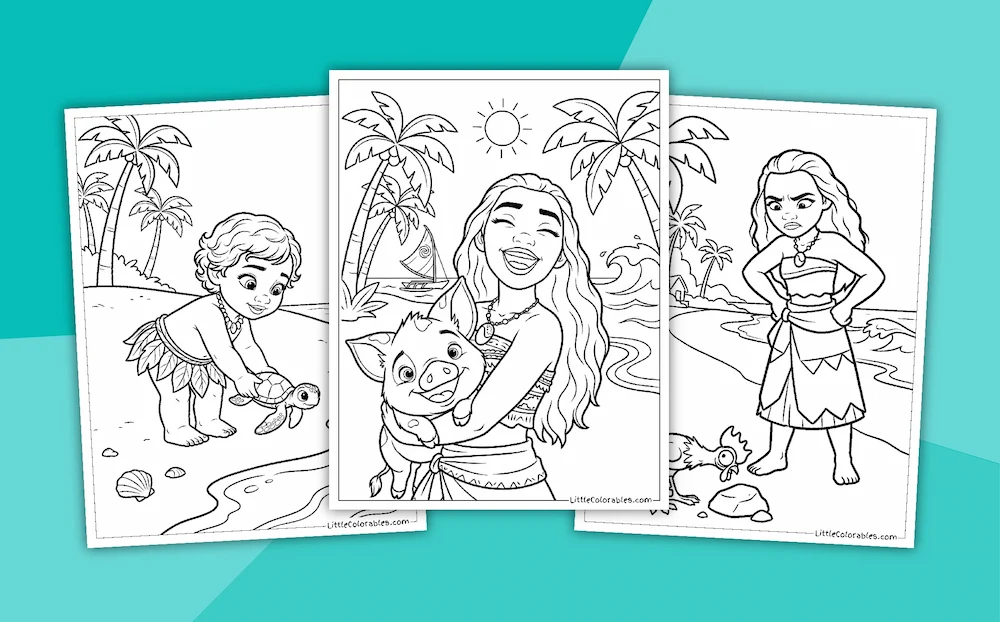

10 Ways to Get More out of Your Coloring Pages
1. Let Your Kid Choose a Coloring Sheet
I’ll be honest with you. The biggest mistake I used to make was printing out a whole stack of coloring sheets I thought my kids would love. I’d curate this perfect selection, set it all up, and then five minutes later the crayons were abandoned on the floor.
Sound familiar?
If you want your kid to sit down and stay interested, let them scroll the site with you and pick their own printable coloring pages. Give them a say in the process.
When a child picks out a specific design, they’re choosing something they feel a real connection to.
Think about it the same way you’d feel about picking a book you’re excited to read versus one someone assigned to you in high school English class. It’s about giving them a little control over the activity.
And here’s what happens next. That “boring” coloring page for kids turns into a masterpiece, all because they chose it themselves.
I’ve watched my kids spend close to 45 minutes on a single design, all because they got to click the print button.
2. Forget “The Rules”
I used to be the person who cringed when a kid colored a tree purple. But you know what? Who cares? We spend so much time telling kids to stay inside the lines that we end up squashing the creative spark before it even gets going.
If your child wants to turn a lion neon green, let them go for it. Creative freedom is the whole point of offering coloring pages in the first place.
If we wanted perfection, we’d go buy a finished poster. This is supposed to be a messy sandbox.
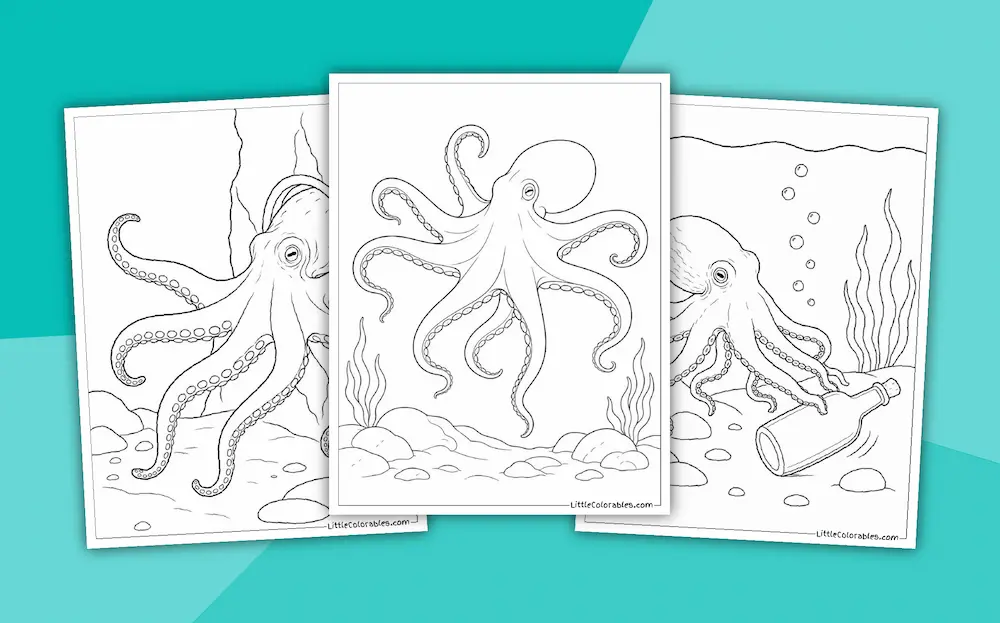
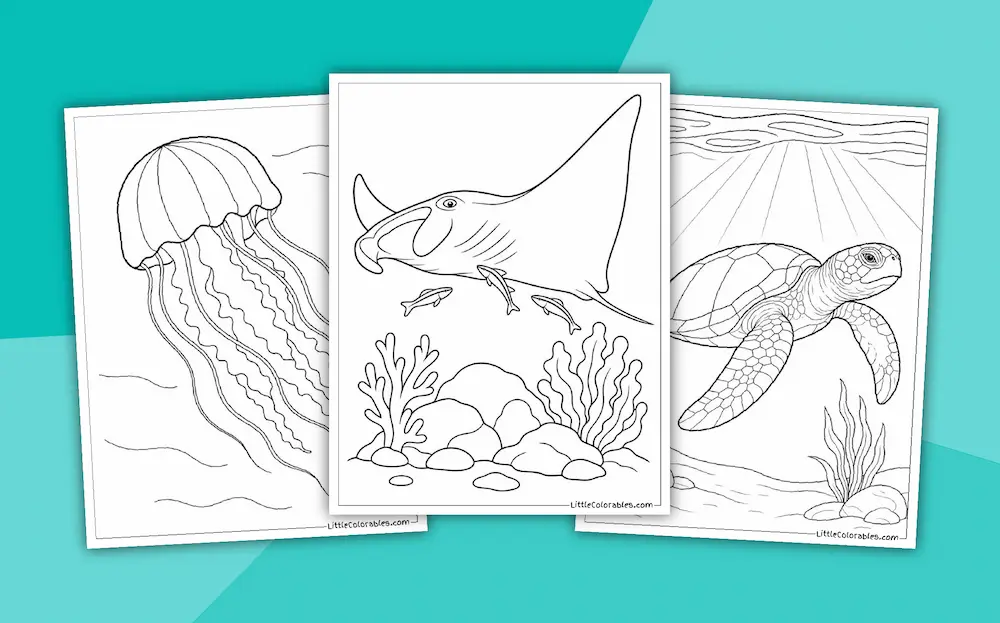
My youngest once scribbled over an entire ocean scene with a black crayon and called it a “storm.”
And honestly? He wasn’t wrong.
Rigid rules turn the whole activity into schoolwork, and nobody wants that on a Saturday. Step back.
Let the paper become whatever it needs to be, even if the result is a total disaster.
Especially if it’s a disaster, because those are the ones they’re proudest of.
3. Create a Dedicated “Coloring Zone”
Setting up a specific spot helps a child’s brain click into focus mode.
It doesn’t need to be a fancy Pinterest-worthy craft room.
A cleared-off corner of the kitchen table or a tray in the back of the minivan works fine.
Having a go-to spot makes pulling out new coloring pages for kids feel like a special little event instead of a random afterthought.
I’ve noticed that when printables are floating around the house, they end up stepped on and instantly forgotten.
But if there’s a basket with supplies and a jar of halfway-decent crayons, the spot becomes a destination.
It’s kind of like how I’m only productive with emails if I’m sitting in “my” chair with a specific mug. Weird, I know.
Is this overkill for a simple afternoon activity? Possibly.
But it saves your sanity when you aren’t hunting for a stray paper under the sofa.And it defines the boundary: crayons stay in the zone, walls stay clean.
4. Never Compare Final Results
This one is huge, especially if you have siblings close in age but miles apart in fine motor skills. Comparing how one kid filled in a detailed picture versus another’s abstract mess is a recipe for an immediate meltdown.
I’ve seen kids give up entirely because they felt their brother did a “better” job. That’s heartbreaking, and it sticks with them.
Every coloring page is a reflection of where that child is at that exact moment.
One kid might be obsessed with tiny details, while the other wants to see how fast they can cover the whole sheet in red. Both are valid. Both deserve a spot on the fridge without a critique.
I think we project our own perfectionism onto their artwork way too much.
Celebrate the fact that they were quiet for ten minutes and didn’t use the cat as a canvas.
That’s the real win. Don’t overcomplicate it.
5. Mix Your Mediums
Who says you have to stick with crayons on paper? We get into this rut, but the fun kicks in when you bring out the “forbidden” supplies.
Try using watercolors over a simple coloring page, or sticking sequins onto a design for some chunky texture.
Mixing mediums turns a standard session into a sensory experience, especially for toddlers.
I’ve found that even a “boring” design becomes exciting again if you hand them a highlighter or a piece of chalk. It breaks the expectation of what art is supposed to look like, and kids respond to that.
And what’s the worst that happens? The paper gets a little soggy or rips? Big deal.
Print another copy in about three seconds and keep going.
6. Use Coloring Pages to Tell a Story
Once the masterpiece is “done” (according to them, not you), use it as a writing or speaking prompt.
Ask them what the character is thinking, or where they’re going next.
This turns a static kid’s coloring page into a living story, which does great things for those early literacy skills. The former teacher in me gets excited about that one.
If they finished a hedgehog picture, ask them who he’s racing today. It’s a small shift, but it makes the activity feel like more than a way to fill time.
Sometimes I’ll have them narrate their process while they work, and the stories they come up with are wildly unhinged in the best way.
I don’t have an exact answer for why this works so well, but it does. It bridges art and language and makes the whole thing feel like a shared experience. Plus, it’s a great way to get through another seven minutes before dinner.
7. Join the Session Yourself
Don’t hover and give directions. Grab your own coloring page and sit down. There’s something grounding about working on a detailed pattern alongside your kids.
It shows them this isn’t a “baby” activity. Adults benefit from it too, and they pick up on that energy.
I find my most honest conversations with my kids happen when we’re both looking down at our artwork. It takes the pressure off the face-to-face interaction, and the words start flowing on their own. Or we sit in silence and focus on the colors, which is a massive win in my book.
Call it nostalgia or whatever you like, but I enjoy free coloring pages as much as they do. It’s a low-stakes way to do something creative without needing a degree in fine arts.
Grab a sheet, find a crayon that isn’t broken, and start scribbling. That’s the whole recipe.
8. Display Their “Masterpiece” Gallery
If you want a kid to keep coming back to the table, you have to show them their work has real value. Tape those finished sheets to the wall, the fridge, or even the back of the front door. Creating a “gallery” for their art gives them a confidence boost that a casual “good job” doesn’t come close to matching.
I have a rotating art wall where the latest creations get the prime spots. When guests come over, I make a point of showing off what the kids worked on that week. It makes them feel like genuine artists who contribute something physical to the house. They light up every single time.
One word of warning, though. Don’t keep every single piece of paper forever, or you’ll be completely buried. I wait until they go to sleep and then quietly “curate” the collection, keeping only the best stuff. Necessary evil of parenting. We’ve all been there.
9. Match the Activity to the Mood
You have to read the room before you hand out the crayons. If the energy is vibrating at a 10, don’t give them a tiny, intricate design that requires precision. They’ll get frustrated and quit before the first crayon touches paper.
Give them a simple picture with big open spaces so they can make those aggressive, sweeping arm movements.
On the flip side, if it’s a rainy afternoon and everyone is a bit mopey, a detailed pattern works well to “anchor” them. The focus required to fill in a complex shape acts like a natural reset for a busy little brain.
I’ve used this approach in the classroom and at the kitchen table, and it works about 85 to 90 percent of the time.
Will it work every single time? No.
But matching the coloring page for kids to their current vibe is a veteran move that saves a lot of unnecessary tears and frustration.
10. Keep an “Emergency” Stash of Kids Coloring Pages
I always keep a folder of pre-printed coloring pages in my bag because you never know when you’ll be stuck in a waiting room with a restless kid.
Having fresh paper on hand is the difference between a peaceful outing and a public meltdown.
Low-tech parenting at its finest, and it works every time.
Our stash usually has a mix of characters, some animals, and a few letters or numbers for the youngest. Having a variety of printable coloring pages means I can always find something to hold their attention for at least fifteen minutes. Think of it as carrying a spare tire, but for your daily sanity.